


Expert Tips for Identifying Dangerous Trees Around Your Home
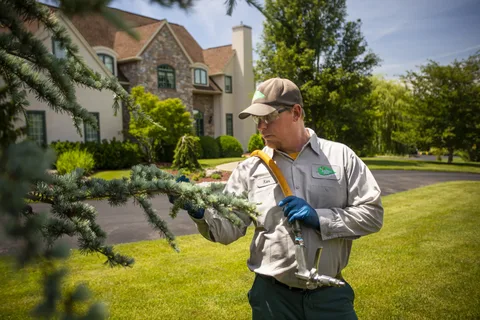
Trees add beauty, shade, and environmental benefits to any property, but they can also pose serious hazards if their health and stability are compromised. Many homeowners underestimate the risks posed by weakened or damaged trees, which can lead to property damage, personal injury, or expensive emergencies. Relying on Professional Hazard Tree Inspection Services in Gap, PA ensures that trees are evaluated correctly before they become a threat, giving homeowners peace of mind and protecting both people and property.
Signs That a Tree Could Be Risky
Some of the most dangerous trees give very subtle warnings before problems arise. For instance, cracks or splits in a trunk can signal structural stress that isn’t immediately obvious. Even trees with lush foliage may be hiding internal decay, making them susceptible to falling limbs or total collapse. Discoloration, peeling bark, and unusual growth patterns are also signs that a tree may be struggling. Spotting these issues early requires a trained eye and careful observation.
Fungal growth is another indicator of potential danger. While fungi may appear harmless at first glance, certain species feed on decaying wood and compromise the tree from the inside out. Mushrooms or bracket fungi at the base of a tree suggest that the root system may be weakened, increasing the risk of tipping or falling. Homeowners should avoid guessing the severity themselves, as only a professional can accurately determine the structural integrity of a tree affected by fungi.
How Lean and Branch Patterns Reveal Hidden Problems
Trees that lean dramatically or develop uneven branches often carry hidden risks. Some lean naturally, but a sudden change in angle can indicate root instability or soil erosion. Uneven branch growth can create weight imbalances, making trees more prone to breakage during storms. Professionals carefully assess these signs to determine whether corrective measures, such as pruning, cabling, or partial support systems, are necessary.
The health of the branches themselves is equally important. Dead or brittle limbs may fall unexpectedly, causing damage to people, pets, or property. While seasonal leaf loss is normal, persistent dieback often points to disease, insect infestations, or internal decay. Identifying which branches are at risk requires skill, as removing too much can stress the tree, while leaving dangerous limbs intact poses safety concerns.
Soil Conditions and Root Health
A tree’s stability depends largely on its roots and the surrounding soil. Compacted or poorly drained soil can make roots vulnerable to disease or rot. Erosion around the base may reduce anchorage, increasing the likelihood of the tree toppling during storms. Arborists examine soil structure and moisture levels to ensure that the root system can adequately support the tree. Even slight shifts in soil conditions over time can have significant effects on stability, making root inspections a critical part of tree safety assessments.
Advanced Tools for Detecting Tree Hazards
While many warning signs can be observed visually, some dangers are hidden deep within the tree. Professionals use advanced tools to assess these risks accurately. Devices such as resistographs measure wood density to detect internal decay, while tomographic imaging reveals structural weaknesses that aren’t visible externally. These assessments allow experts to make precise recommendations for pruning, reinforcement, or removal, ensuring the tree’s safety without unnecessary intervention.
Timing Matters in Tree Safety
Trees can develop hazards gradually, but sudden weather events often reveal hidden weaknesses. Homeowners are advised to schedule inspections at least annually and after extreme weather, such as heavy winds, snow, or storms. Seasonal changes can also expose problems that were previously hidden, like cracks revealed during leaf loss or weakened branches stressed by ice. Timely evaluation helps prevent emergencies and ensures that corrective measures can be taken before a tree becomes a serious threat.
Making Decisions About Interventions
When a tree shows significant structural weakness, professional guidance is essential. Experts may recommend targeted pruning to remove dangerous limbs, cabling or bracing to support vulnerable branches, or full removal if the risk is too high. Each decision balances safety, tree health, and environmental considerations. Homeowners benefit from clear explanations of why certain actions are necessary and how leaving a hazardous tree unattended could escalate risks.
Educating Homeowners for Long-Term Safety
A proactive approach to tree care is more effective than reactive responses. Homeowners who understand the warning signs of dangerous trees, along with the importance of inspections, are better equipped to protect their property. Certified arborists provide guidance on long-term care practices, including proper watering, mulching, pruning, and monitoring for pests or disease. These practices not only maintain tree health but also minimize future risks, creating a safer environment for families and visitors.
Balancing Beauty and Safety
While trees are valuable assets that enhance the look and feel of a property, their safety cannot be overlooked. Combining careful observation, professional inspections, and preventive care ensures that trees remain both attractive and secure. Residents in Gap, PA, who rely on experienced experts gain the advantage of local knowledge, understanding how regional soil conditions, weather patterns, and common tree diseases affect stability. This localized expertise allows for more accurate risk assessments and informed decisions about tree care.
Creating a Safe Outdoor Space
Ultimately, the goal is to enjoy the benefits of trees without compromising safety. By recognizing subtle warning signs, monitoring soil and root conditions, and engaging professional services, homeowners can maintain a secure and aesthetically pleasing yard. Investing in expert evaluations provides peace of mind, protects property, and ensures that your trees continue to thrive safely for years to come.
 Deutsch
 English
 Arabic
 French
 Spanish
 Portuguese
 Turkish
 Dutch
Dutch
 Italiano
 Russian
 Romaian
 Portuguese (Brazil)
 Greek
Greek