


Common Racking Issues and How Racking Inspection Training Provides Real Solutions
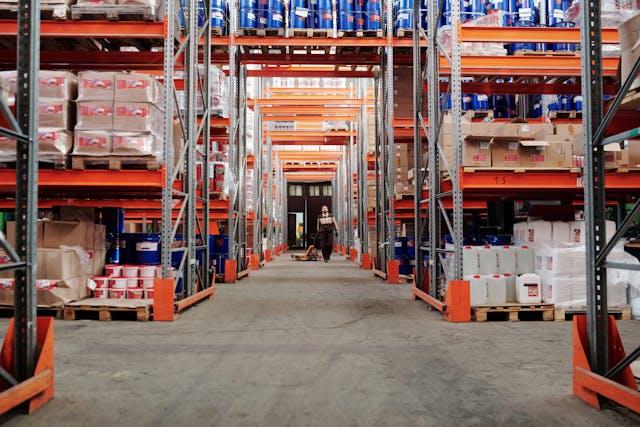
Warehouse racking systems keep operations smooth, but even the toughest racks become unsafe without proper inspections and trained staff. Whether you run a distribution center, manufacturing facility, or high-traffic warehouse, understanding common racking issues and knowing how to FIX them can significantly reduce risk, damage, and downtime.
This blog explains the biggest racking problems found in warehouses and provides clear, practical solutions through a structured racking inspection training program (like the system provided by Rush Rack Inspections).
Why Racking Systems Fail: Major Issues to Watch For
Even properly designed racks develop problems over time. Most failures go unnoticed until they become dangerous. Here are the most common warehouse racking issues.
1. Improper Installation
Common installation mistakes:
-
Wrong beam placement
-
Poor leveling
-
Missing anchors
-
Incorrect spacing
Solution Through Training
A racking inspection training course teaches your team:
-
How to verify correct beam and upright positioning
-
How to check if racks are level and anchored
-
How to spot non-compliant configurations
-
How to identify unsafe modifications done by staff
Proper training ensures your racks remain compliant, stable, and safe.
2. Forklift Impacts
Even small forklift hits cause:
-
Bent uprights
-
Twisted frames
-
Dislodged beams
Solution Through Training
Trained inspectors learn to:
-
Identify lean, bowing, and twists in uprights
-
Measure beam displacement
-
Spot signs of impact damage early
-
Report impact areas before they collapse
Forklift damage becomes preventable instead of expensive.
3. Overloading
Ignoring load limits causes:
-
Beam deflection
-
Upright buckling
-
Full system collapse
Solution Through Training
A structured course teaches:
-
How to read & verify load signs
-
How to measure deflection
-
How to check pallet weights
-
How to assess uneven loading risks
Training ensures employees don’t rely on “guessing”—they know when a rack is overloaded.
4. Corrosion & Environmental Wear
Humidity, chemicals, and temperature changes cause:
-
Rust
-
Weak joints
-
Damaged welds
Solution Through Training
Your team learns:
-
How to identify early corrosion
-
How to assess environmental risks
-
When to recommend repair vs. replacement
-
How to prevent long-term metal weakening
Prevention becomes part of daily operations, not an afterthought.
5. Missing or Damaged Components
Even one missing part affects structural safety:
-
Safety pins
-
Row spacers
-
Base plates
-
Bracing
Solution Through Training
Training shows staff how to:
-
Inspect every critical racking component
-
Confirm locking devices are in place
-
Identify damaged braces and base plates
-
Spot loose anchors
This keeps your racks 100% structurally sound.
The Real Risks of Ignoring Racking Issues
Ignoring these problems leads to:
-
Injuries & accidents
-
Operational shutdowns
-
High repair costs
-
Inventory damage
Inspection training gives staff the skills to prevent these risks entirely.
How Racking Inspection Training Solves These Problems
A professional racking inspection course transforms your team into proactive safety experts. Programs like those by Rush Rack Inspections combine hands-on learning, real warehouse walkthroughs, and clear guidelines.
What Training Teaches (Complete Breakdown)
1. Rack Anatomy & Component Knowledge
Your staff learns:
-
Uprights, beams, bracing
-
Anchors, footplates
-
Protection systems
-
Load capacity tags
Solution: They instantly recognize when something looks wrong.
2. Identifying Damage Levels
Training provides a simple, universal damage classification:
-
Red – Stop using immediately
-
Amber – Schedule repair
-
Green – Safe, but monitor
Solution: Inspection decisions become consistent and compliant.
3. Stability & Load Assessment
Employees learn:
-
How to prevent uneven loading
-
How to measure beam sag
-
How to verify pallet placement
Solution: Overloading and instability become fully preventable.
4. Step-by-Step Inspection Techniques
Training includes:
-
A full inspection checklist
-
Proper inspection routes
-
What to check and how often
-
Documentation and reporting rules
Solution: Every inspection becomes accurate and repeatable.
5. Compliance & Standards
Training covers:
-
Legal requirements
-
Reporting procedures
-
Corrective action planning
Solution: Protects your warehouse from violations and insurance issues.
Week-By-Week Training Structure (Example Outline)
While timelines vary, many organizations follow a structured improvement plan. Here’s a simplified, mobile-friendly layout of what such a program may include:
Week 1: Foundations and Rack Anatomy
-
Understanding rack components
-
Common warehouse hazards
-
Introduction to inspection categories
Week 2: Damage Identification
-
Assessing impact damage
-
Spotting corrosion and wear
-
Recognizing structural deformities
Week 3: Load Limits and Stability
-
How to verify capacity
-
Proper pallet placement
-
Evaluating beam deflection
Week 4: On-Site Practical Walkthrough
-
Guided facility inspection
-
Using checklists correctly
-
Documenting real findings
Week 5: Compliance & Reporting
-
Understanding guidelines
-
Creating inspection reports
-
Prioritizing corrective actions
Week 6: Final Assessment & Certification
-
Final knowledge check
-
Hands-on inspection review
-
Certificate of completion
This type of weekly structure ensures consistent learning and helps warehouses stay aligned with required standards.
Outcomes After Training (Real Solutions)
A comprehensive racking inspection training program produces long-term benefits across your warehouse:
1. Stronger Safety Culture
Employees become proactive instead of reactive, identifying hazards before they become emergencies.
2. Reduced Downtime
Early detection prevents costly shutdowns and operational delays.
3. Lower Repair Costs
Minor damage caught early is significantly cheaper to repair than full rack replacements.
4. Better Compliance
With trained personnel, your warehouse aligns with safety regulations and documentation requirements.
5. More Confident, Skilled Staff
Training builds confidence, accuracy, and consistency in daily inspections.
How Training Prevents Common Racking Issues
To bring everything together, here’s how training directly helps prevent the most frequent problems found in warehouses:
Forklift Damage Prevention
Teams learn how to inspect for:
-
Leaning uprights
-
Beam dislodgement
-
Anchor plate damage
And can report issues immediately.
Overload Prevention
Training teaches how to:
-
Interpret load signs
-
Identify deflection levels
-
Manage pallet weights
This alone prevents major failures.
Component Integrity Checks
Certified inspectors can spot:
-
Missing locking devices
-
Bent bracing
-
Loose anchors
Before they turn into structural risks.
Environmental Monitoring
Training covers how to inspect for:
-
Rust
-
Chemical damage
-
Water accumulation
Ensuring long-term system durability.
Conclusion
Racking issues may seem small at first, but they grow quickly, and the consequences are real. With the right knowledge, your team can recognize hazards early, maintain compliance, and protect your warehouse from downtime and risk. A well-structured racking inspection course gives your staff the tools and confidence to keep your storage systems safe, efficient, and compliant year-round.
When you invest in training, you invest in a safer warehouse, a stronger team, and a more reliable operation. If you want to elevate your safety standards, start with high-quality, expert-led training from a trusted provider like Rush Rack Inspections.
If you’re ready to strengthen warehouse safety and ensure your team is qualified to inspect your storage systems, explore the racking inspection training programs offered by Rush Rack Inspections. Their approach is accurate, practical, and aligned with industry standards.
Visit the racking inspection program page to learn more or begin the application process today.
FAQs
1. What is the purpose of racking inspection training?
Racking inspection training teaches warehouse teams how to identify damage, evaluate risks, and maintain safe pallet racking systems through proper inspection techniques.
2. How often should warehouse racking be inspected?
Most facilities perform daily visual checks and schedule formal inspections at least once a year. Trained inspectors help ensure these inspections follow industry standards.
3. Can a racking inspection course help reduce warehouse accidents?
Yes. A structured racking inspection course helps staff detect early warning signs, prevent overloading, and address hazards before they lead to incidents or downtime.
4. Who should attend a racking inspection training program?
Warehouse supervisors, safety managers, forklift operators, and maintenance staff benefit most, but any team member involved in storage operations can attend.
5. Does racking inspection training include certification?
Most professional programs, including those aligned with Rush Rack Inspections, offer a certificate upon completion to validate the participant’s knowledge and inspection skills.
 Deutsch
 English
 Arabic
 French
 Spanish
 Portuguese
 Turkish
 Dutch
Dutch
 Italiano
 Russian
 Romaian
 Portuguese (Brazil)
 Greek
Greek