


Can a Rotameter Be Used Safely With Corrosive or Hazardous Fluids?
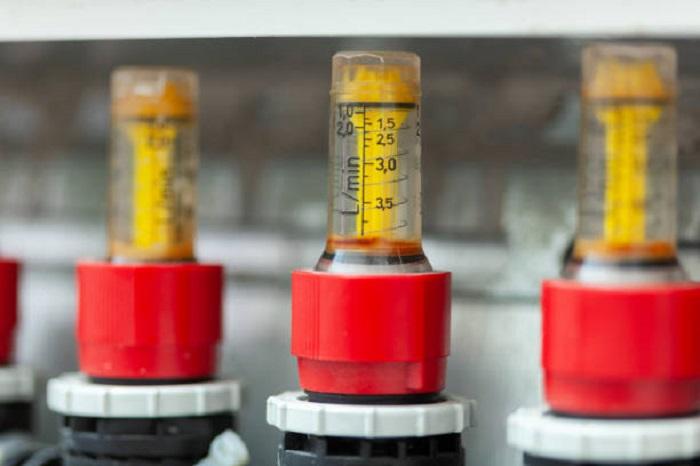
A rotameter is one of the most recognizable and widely used flow measurement devices in industrial processes. Known for its simplicity, mechanical reliability, and near-instantaneous response to flow changes, it remains a preferred choice in various fields, including chemical production, environmental engineering, pharmaceuticals, petrochemicals, and laboratory systems. However, when handling hazardous or corrosive fluids, safety concerns arise regarding material compatibility, meter durability, and long-term performance. The question then becomes whether a rotameter is suitable and safe for such environments. This article explores that question in depth by examining construction materials, operating principles, engineering precautions, and real-world applications.
Understanding How a Rotameter Functions
The Principle Behind Variable Area Flow Measurement
A rotameter measures flow using a vertically oriented tapered tube with a float inside it. As fluid enters from the bottom and flows upward, the float rises until the upward force of the fluid is balanced by the downward weight of the float. The position of the float directly indicates the flow rate, with the calibrated scale typically etched or printed along the tube.
This mechanical, no-power design is part of what makes the rotameter desirable for hazardous situations. Even in environments where electrical devices might pose ignition risks, a rotameter can function safely because it can operate without external power and without electronic components.
How Material Selection Affects Functionality
Despite its simplicity, the rotameter is highly sensitive to the materials used in its construction. Different applications require unique combinations of tube materials, float materials, and sealing components. The interaction between fluid characteristics and meter materials determines whether the rotameter remains safe when exposed to corrosive or hazardous substances.
Assessing the Risks of Corrosive and Hazardous Fluids
Chemical Interaction and Material Degradation
Corrosive fluids such as strong acids, caustic solutions, halogens, and oxidizers can degrade traditional rotameter materials. Glass, metal, elastomers, and plastics each have vulnerabilities when exposed to certain chemicals. If corrosion occurs, the tube may weaken, the float may lose its shape or mass, and seals may degrade, all of which can compromise measurement accuracy and safety.
The most critical factor is whether the intended fluid reacts chemically with the rotameter’s tube or float. Even slight degradation may release harmful substances or cause mechanical failure. For hazardous fluids—such as toxic vapors, flammable solvents, or volatile chemicals—any leak or mechanical breach can pose serious risks.
Pressure, Temperature, and Environmental Conditions
Rotameters handling corrosive or hazardous fluids often operate under elevated pressure or temperature. These conditions increase the likelihood of material breakdown. Metal rotameters may become embrittled, while plastic tubes may soften or deform. Therefore, understanding both the chemical and physical stresses applied to the meter is crucial to determining safety.
Choosing the Right Rotameter for Corrosive Applications
Specialty Tube Materials for Corrosion Resistance
The safest approach is to use rotameters specifically designed for corrosive fluids. Manufacturers offer several specialized materials:
Glass tubes, typically borosilicate, resist many acids and solvents, but may not withstand alkalis or hydrofluoric acid. Metal tubes, such as those made from stainless steel or Hastelloy, provide strength and chemical resilience, particularly in high-pressure environments. Plastic tubes, such as those made from PVDF, PTFE, or PFA, are among the most chemically resistant materials available and are commonly used for highly aggressive chemicals.
Each material has strengths and limitations. For example, while PTFE is extremely resistant to chemicals, it is more flexible and may limit the maximum pressure rating of the device. Stainless steel offers durability but may not resist all corrosive environments, especially those involving halogens. Therefore, selecting the correct tube material is the foundation of safe operation.
Float Materials and Compatibility
The float inside the rotameter must also be compatible with the fluid. Stainless steel floats may corrode or react with concentrated acids. Glass floats may shatter under thermal stress. Plastic floats provide excellent corrosion resistance but may not offer sufficient weight for high-density fluids.
Precision-machined ceramic floats offer both high durability and resistance to chemical attack, making them ideal in many hazardous scenarios. Choosing the float material requires a careful balance between corrosion resistance, density, buoyancy, and stability in the tapered tube.
Enhancing Rotameter Safety Through Engineering Controls
Secondary Containment and Protective Shields
For hazardous fluids, especially toxic or corrosive ones, safety systems must be implemented around the rotameter. Glass-tube rotameters are ordinarily installed with protective shields made from acrylic or metal to contain fragments in case of breakage. Similarly, double-walled tubes or external housings can contain leaks if seals degrade.
Secondary containment systems reduce exposure risk to personnel and equipment. They are essential in chemical plants, laboratories, and facilities where the consequences of a leak could be severe.
Sealing, O-rings, and Gasket Design
Any corrosion-resistant rotameter must have seals that match the fluid’s chemical profile. Standard rubber seals may fail rapidly when exposed to aggressive chemicals. Viton, Kalrez, or PTFE-based seals are often required. These materials resist swelling, cracking, and chemical penetration, ensuring that the system remains airtight.
The proper selection of sealing components is just as important as choosing the tube and float materials. A rotameter designed with chemical-resistant materials but fitted with incompatible seals will quickly become unsafe.
Real-World Applications Demonstrating Safe Use
Handling Acids and Caustic Solutions in Industrial Processes
Rotameters constructed from PTFE or glass with corrosion-resistant floats are commonly used in acid circulation, etching baths, or chlorine dosing systems. The chemical compatibility makes them reliable and safe in environments where failure could lead to production shutdowns or hazardous exposures.
In caustic applications, metal rotameters made from alloy materials such as Hastelloy offer durability under both corrosive and high-pressure conditions.
Measuring Toxic and Volatile Fluids
When measuring toxic vapors or flammable solvents, a rotameter provides an advantage due to its mechanical, non-sparking design. In laboratories or pilot plants, small-scale rotameters with safety shields are often used to monitor the flow of volatile organic compounds or toxic gas mixtures.
The absence of electrical components eliminates ignition risk, making the rotameter well suited for flammable atmospheres.
Limitations and Safety Precautions
The Importance of Proper Calibration and Maintenance
Even when a rotameter is constructed from chemically resistant materials, routine calibration and inspection are essential. Chemical buildup on the float or tube can affect reading accuracy. For hazardous fluids, even minor inaccuracies may influence dosing systems or reactions, potentially causing unsafe conditions.
Regular cleaning, inspection for wear, and verification of sealing integrity ensure continued safe operation.
Recognizing When a Rotameter Should Not Be Used
If the fluid’s chemical composition exceeds the compatibility limits of the available materials, a rotameter should not be used. Extremely abrasive slurries, non-conductive cryogenic liquids, and fluids that may rapidly attack all known materials require alternative flow measurement technologies such as Coriolis or ultrasonic meters.
Understanding the limitations of the meter prevents unsafe installations and reduces risk.
Conclusion
A rotameter can indeed be used safely with corrosive or hazardous fluids, provided the device is properly matched to the fluid characteristics and supported with appropriate safety features. The selection of tube material, float composition, and seal type is essential for ensuring compatibility and avoiding chemical degradation. With protective shields, secondary containment, and routine maintenance, rotameters can operate effectively in demanding environments such as chemical plants, laboratories, wastewater facilities, and industrial processing systems. By understanding the engineering principles and material considerations involved, operators can confidently use rotameters to measure the flow of hazardous substances while maintaining a high level of safety and reliability.
 English
 Arabic
 French
 Spanish
 Portuguese
 Deutsch
 Turkish
 Dutch
Dutch
 Italiano
 Russian
 Romaian
 Portuguese (Brazil)
 Greek
Greek