


Why Did Breaking Bad Win Multiple Primetime Emmy Awards?
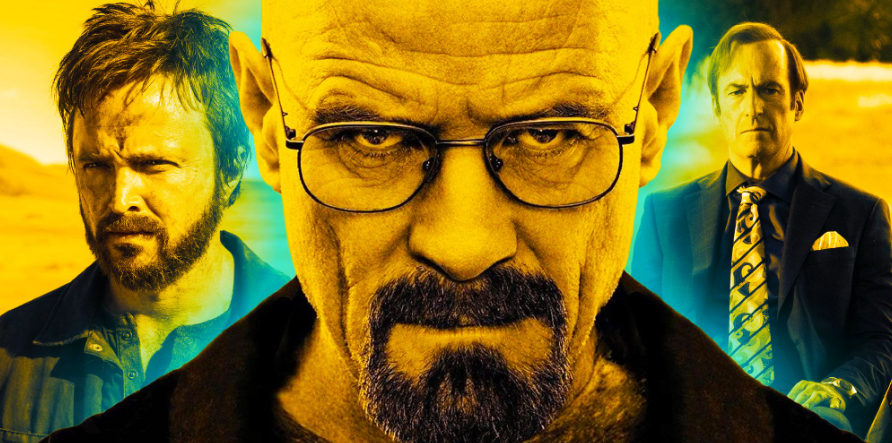
Few television series have made an impact as profound and enduring as Breaking Bad. Since its debut in 2008, the show has achieved near-universal acclaim from critics, filmmakers, scholars, and audiences alike. Over the course of its run, it earned numerous accolades, including multiple Primetime Emmy Awards, solidifying its legacy as one of the most accomplished dramas in television history. The reasons for this recognition are numerous, involving meticulous craftsmanship, groundbreaking storytelling, visionary direction, and performances that redefined what television acting could be. Understanding why Breaking Bad earned so many awards requires a deep exploration of the series’ artistic achievements across writing, acting, technical elements, and cultural impact.
Unparalleled Writing and Narrative Structure
Vince Gilligan’s Vision and the Evolution of Storytelling
At the center of Breaking Bad’s success is creator Vince Gilligan’s masterful narrative design. From the beginning, Gilligan described the show as a journey that transformed its protagonist “from Mr. Chips into Scarface.” This clear narrative arc allowed the story to unfold with precision and inevitability while maintaining suspense and moral complexity.
Gilligan’s writing team contributed to this success through their orchestration of long-term character development, perfectly calibrated tension, and sharp thematic exploration. Few series have been able to maintain such consistency in tone and quality across multiple seasons. Each episode advanced the plot while deepening characters’ psychological landscapes, creating a layered and cohesive world. It is this structural brilliance that helped the show win several Primetime Emmy Awards for writing.
The Art of Slow-Burn Tension
While modern television often relies on rapid pacing or shock value, Breaking Bad opted for slow-burn storytelling. This technique allowed the creators to build tension organically, giving scenes room to breathe and characters space to react. By letting silence, glances, and moral dilemmas speak as loudly as action sequences, the show created moments that resonated with emotional power. Many Emmy voters recognized the stylistic boldness of a series willing to trust its audience with subtlety and patience.
Acting Performances That Redefined Television
Bryan Cranston’s Transformation as Walter White
Bryan Cranston’s portrayal of Walter White is frequently cited as one of the greatest performances in television history. Before Breaking Bad, Cranston was known primarily for comedic roles, but his performance revealed a staggering depth of dramatic skill. Cranston captured Walter’s transformation from a meek chemistry teacher to a ruthless drug kingpin with nuance and precision, winning multiple Primetime Emmy Awards for Outstanding Lead Actor.
Cranston’s ability to embody both vulnerability and menace created a character whose humanity made his descent all the more terrifying. His performance did not rely on caricature but on emotional authenticity, allowing viewers to both empathize with and recoil from him. This complexity made him unforgettable.
Aaron Paul’s Heartbreaking Journey as Jesse Pinkman
Aaron Paul’s portrayal of Jesse Pinkman similarly became iconic, earning him several Emmys for Outstanding Supporting Actor. Originally intended to be written off early in the series, Jesse became indispensable due to Paul’s emotional range and chemistry with Cranston. Paul brought raw vulnerability to Jesse, portraying him not just as a troubled drug dealer, but as a deeply damaged young man searching for purpose, identity, and redemption.
The dynamic between Walter and Jesse became one of the strongest emotional cores of the show. Their relationship—part mentorship, part manipulation, part father-son bond—created dramatic tension that captivated Emmy voters and audiences alike.
Directing and Cinematography as High Art
Bold Visual Storytelling
The show’s directing and cinematography elevated it from great television to cinematic television. Directors like Michelle MacLaren, Vince Gilligan, and Rian Johnson crafted episodes that felt like self-contained films. From the haunting time-lapse shots of the desert landscape to the symbolic use of color palettes, Breaking Bad portrayed Albuquerque not just as a setting but as an emotional and psychological terrain.
The visual style—marked by stark contrasts, innovative camera angles, and careful blocking—supported the narrative’s themes of moral decay, isolation, and transformation. These artistic choices helped the show secure Emmys in directing and cinematography categories.
Innovative Use of Cameras and Practical Techniques
The series often employed bold technical experimentation. POV shots from meth barrels, vacuum cleaners, underground crawlspaces, and even a Roomba demonstrated a creative willingness to push boundaries. These techniques weren’t gimmicks; they enhanced storytelling by immersing the audience in the perspective of objects and environments that held symbolic weight.
The Emmy recognition for technical achievement reflects how the show reimagined what television direction could look like.
Sound, Editing, and Technical Excellence
Crafting an Unforgettable Soundscape
The show’s sound design and musical choices were essential to its atmosphere. Composer Dave Porter created a sonic identity blending electronic textures with ambient soundscapes, capturing the tension and psychological turmoil of the characters. Even silence was used as a tool, amplifying anxiety or giving space to moral contemplation.
These creative decisions contributed to several technical Primetime Emmy Awards, solidifying the show’s mastery over every aspect of sound and editing.
Precision in Editing
The editing of Breaking Bad maintained a deliberate pace that mirrored the tension and emotional rhythms of the story. Scenes lingered when necessary and tightened when stakes escalated. The seamless editing of everything from action sequences to emotionally intimate moments kept viewers immersed and contributed to the overall cinematic quality of the series.
Cultural Impact and Legacy
A New Standard for Prestige Television
Breaking Bad arrived during the era of “prestige television,” yet it managed to stand apart. What set it apart was its refusal to compromise: every episode was crafted with the intention of delivering artistic excellence. Its influence has shaped countless subsequent dramas, inspiring filmmakers and showrunners to elevate the medium.
The Emmys rewarded not only the show’s excellence but also its influence, recognizing that Breaking Bad was redefining television art.
Timeless Themes of Morality and Transformation
Beyond technical mastery, Breaking Bad resonated deeply because of its exploration of complex themes: the corrupting nature of power, the consequences of pride, the fragility of family, and the ease with which ordinary people can justify moral compromise. Its philosophical depth made it more than entertainment—it became a cultural conversation.
This thematic richness helps explain why Emmy voters continued to recognize the show year after year.
Conclusion
Breaking Bad won multiple Primetime Emmy Awards because it excelled in every dimension of storytelling: writing, acting, directing, visual innovation, sound design, and thematic depth. Its creators treated television as an art form, crafting a narrative of transformation and tragedy that remains unmatched in its ambition and execution. The show’s recognition at the Emmys reflects not only its technical brilliance but also its enduring influence on the medium of television itself. As a filmmaker, one can only look at Breaking Bad as a masterclass in how to build a world, tell a story, and create characters whose impact transcends the screen.
 Italiano
 English
 Arabic
 French
 Spanish
 Portuguese
 Deutsch
 Turkish
 Dutch
Dutch
 Russian
 Romaian
 Portuguese (Brazil)
 Greek
Greek