


What Flower Symbolism Is Linked to Protection and Strength?
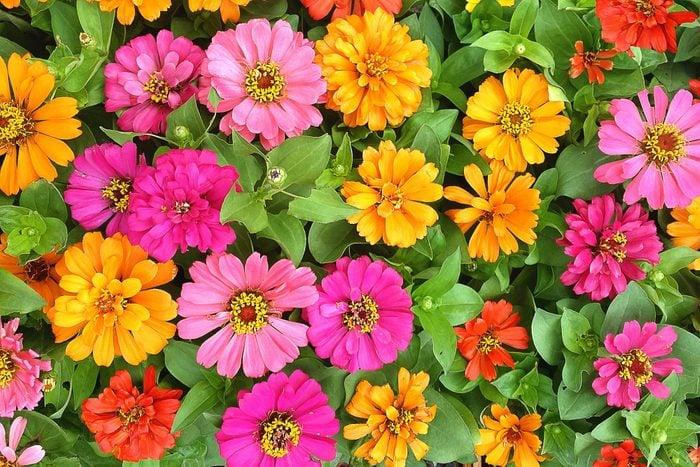
Across cultures and centuries, flowers have served as powerful symbols not only of beauty and emotion but also of resilience, guardianship, and personal power. While many associate blossoms with gentler themes such as love or purity, a surprising number of flowers also carry meanings related to fortitude, defense, and courageous endurance. Exploring these associations reveals how deeply human societies have interwoven nature with spiritual meaning. In this article, we will examine the rich world of Flower Symbolism connected to protection and strength, tracing these connections through mythology, folklore, religious traditions, and cultural practices.
The Universal Roots of Protective Flower Symbolism
Flowers as Spiritual Guardians
Throughout human history, flowers were believed to possess spiritual forces that could guard against danger or misfortune. Ancient people often observed how certain plants survived harsh conditions, grew in rocky soil, or deterred predators through thorns, bitter sap, or strong fragrance. The resilience of these flowers became metaphors for inner strength. Their physical properties reinforced the belief that they offered protective energy to those who carried or cultivated them.
Flowers were used in talismans, placed in doorways, incorporated into religious rituals, and even woven into armor or garments. Many cultures viewed flowers not only as ornamental but as bearers of invisible power, capable of shielding individuals from harm or imparting courage during difficult times.
The Role of Mythology in Shaping Symbolic Meaning
Mythology plays a significant role in shaping Flower Symbolism tied to strength and protection. When ancient heroes, gods, and warriors interacted with particular flowers, those narratives influenced how the flowers were understood spiritually. A bloom associated with a victorious god, a guardian deity, or a mythical battle often came to symbolize bravery or protection in cultural memory.
Myths gave personalities to flowers. A blossom might represent the spirit of a warrior who sacrificed themselves for others, or it might be linked to a deity who defended the vulnerable. These stories helped create enduring symbolic associations rooted in cultural identity.
Flowers Associated With Protection Across Cultures
The Hawthorn: A Guardian at the Threshold
In Celtic and European folklore, the hawthorn tree and its blossoms were powerful protective emblems. People believed that hawthorn branches could ward off evil spirits, curses, and misfortune. The tree’s strong thorns symbolized an aggressive form of protection, making it a natural barrier against harm. Placing hawthorn at the entrance of a home or village was a way to create spiritual boundaries, keeping danger at bay.
The hawthorn flower also represented inner defenses. It encouraged individuals to remain guarded against emotional manipulation or negativity, reinforcing its symbolism as both a physical and spiritual protector.
The Chrysanthemum: Endurance and Life Force
In many Asian cultures, the chrysanthemum embodies resilience, longevity, and vitality. Japan’s imperial family adopted it as a symbol of authority and protective rulership. Its association with the sun, particularly in Shinto beliefs, connects the chrysanthemum with life-giving energy capable of driving away darkness and misfortune.
The flower’s ability to bloom in autumn, when other plants wither, reinforces its symbolic connection to strength. It represents the power to endure, thrive under adversity, and maintain inner stability.
The Marigold: Fire, Courage, and Spiritual Defense
In both European and Mesoamerican traditions, marigolds symbolized strength and protection. Their vivid orange and yellow petals resemble flames, making them emblematic of spiritual fire. Cultures believed that marigolds could dispel negative spirits and purify the environment.
In Mexico, marigolds play a central role in Día de los Muertos rituals. The flowers guide spirits with their bright color and scent, creating a protective bridge between the living and the dead. Their fiery symbolism extends to emotional resilience, urging courage in times of sorrow, loss, and transformation.
Flowers Linked to Strength in Personal and Spiritual Growth
The Lotus: Rising Above Hardship
One of the most recognizable symbols of spiritual strength is the lotus. Rooted in muddy waters yet blooming with pristine beauty, the lotus embodies triumph over adversity. In Buddhist and Hindu traditions, it symbolizes enlightenment, purity of heart, and disciplined growth.
The lotus represents the strength to rise above challenges, remain untouched by negativity, and move toward spiritual awakening. Its symbolism reinforces the idea that strength is not merely physical but profoundly inner—the ability to grow despite obstacles and remain centered.
The Thistle: Defiance and Resilience
The thistle, known for its prickly exterior, represents protection and determination. Its hardy nature allows it to grow in harsh climates and rocky soil. Scotland famously adopted the thistle as a national symbol, representing defense against invaders and the fierce resilience of its people.
Spiritually, the thistle encourages self-protection, boundary-setting, and maintaining personal sovereignty. Its tough exterior symbolizes the courage required to defend one’s values and identity.
The Oak Flower: Strength Rooted in Stability
While the oak is primarily celebrated for its tree, its flowers carry similar symbolism. Associated with Zeus, Thor, and other sky gods, the oak has long represented might, endurance, and divine protection. The blossoms, though less prominent than the tree’s acorns or massive trunk, participate in this larger symbolic tradition.
Oak flowers embody the quiet strength that comes from deep roots and unshakable foundation. They remind individuals that security arises not from aggression but from stability and connection to one’s origins.
The Spiritual Lessons Found in Protective Flower Symbolism
Strength Through Beauty
One striking aspect of protective flower symbolism is the idea that strength can coexist with softness. Flowers that symbolize protection often combine vulnerability and resilience. Their petals may be delicate, yet they embody endurance through harsh conditions or possess defenses such as thorns or potent scents.
This teaches that true strength does not always manifest as force. Sometimes it appears in quiet perseverance, emotional integrity, or refusal to be overcome by hardship. Nature models the harmony between grace and bravery.
Protection as a Sacred Responsibility
Many flowers linked to protection are associated with rituals, guardianship, and spiritual stewardship. They remind individuals of the responsibility to safeguard not only themselves but also their communities, families, and sacred traditions.
In spiritual belief systems, protective flowers are seen as allies—symbols that encourage mindfulness, awareness, and the courage to face life’s uncertainties with wisdom.
Strength Rooted in Connection
Flowers often derive symbolic strength from their ecosystems. Their significance arises from relationships with pollinators, weather conditions, soil, and even myths shared by generations. This teaches that human strength also grows from connection—connection to culture, history, ancestry, and spiritual meaning.
Conclusion
The world of Flower Symbolism connected to protection and strength is rich, diverse, and deeply meaningful. From the resilient lotus to the fiery marigold, the thorny thistle to the enduring chrysanthemum, these flowers reflect humanity’s desire for safety, courage, and spiritual resilience. Their stories show that strength exists not only in might but in endurance, beauty, and the ability to rise above adversity. Across time and culture, protective flowers remind us that nature offers both comfort and courage, guiding us toward a deeper understanding of resilience and spiritual fortitude.
 Italiano
 English
 Arabic
 French
 Spanish
 Portuguese
 Deutsch
 Turkish
 Dutch
Dutch
 Russian
 Romaian
 Portuguese (Brazil)
 Greek
Greek