


How Do Flow Meters Handle Varying Pressure and Temperature Conditions?
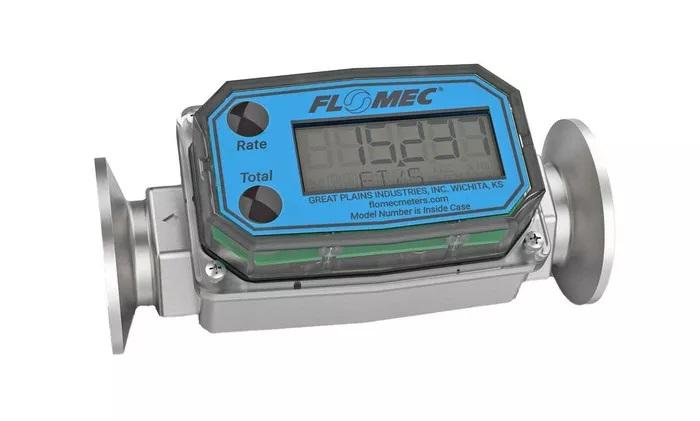
Flow measurement is fundamental to industries ranging from chemical processing to water treatment, petroleum refining, HVAC systems, and energy generation. As operating environments become increasingly dynamic, the ability of Flow Meters to maintain accuracy under changing pressure and temperature conditions has become a defining factor in their reliability. Pressure and temperature variations influence fluid density, viscosity, flow velocity, and mechanical loading within the meter. Therefore, understanding how flow meters adapt to these conditions is crucial for engineers responsible for system performance, safety, and efficiency. This article explores the engineering principles, compensation mechanisms, and design strategies that enable different types of flow meters to function consistently under fluctuating conditions.
The Influence of Pressure and Temperature on Flow Measurement
Why Pressure and Temperature Affect Performance
Flow meters operate by measuring fluid characteristics such as velocity, pressure differential, mass, volumetric displacement, or electromagnetic properties. When pressure or temperature changes, fluid behavior changes as well. Higher pressure generally increases fluid density, while higher temperature reduces it. Temperature also affects viscosity, altering how easily a fluid moves through pipes and sensor components.
Because many flow meters rely on the predictable physical properties of the fluid, any shift in these properties introduces measurement uncertainty. Engineers therefore design flow meters not only to measure flow but also to resist or compensate for environmental fluctuation.
Material Expansion and Mechanical Stress
Flow meters contain mechanical parts, sensor chambers, or electronic components that expand or contract based on temperature. Metal housings expand slightly, seals soften or harden, and internal components may shift. Under high pressure, mechanical stresses increase, potentially causing distortion in the measuring pathway.
Such changes can subtly alter the internal geometry of the meter, which in turn affects measurement stability. Mechanical engineers must account for these effects to ensure that the flow meter maintains accuracy even under extreme or varying conditions.
Mechanical Flow Meters and Their Response
Handling Pressure Changes in Differential Pressure Meters
Differential-pressure flow meters, such as orifice plates and Venturi meters, rely on pressure drop across a restriction. Changes in upstream pressure affect fluid density, which influences derived flow calculations. To handle this, engineers reference fluid density tables or include density compensation systems.
In highly variable-pressure environments, advanced transmitters measure pressure continuously and adjust the flow reading in real time. This ensures that the pressure drop correlates accurately with actual flow despite density variations.
Temperature Effects on Turbine Flow Meters
Turbine flow meters measure flow based on rotor rotation speed. Temperature changes can affect the viscosity of the fluid, making it move more easily or more sluggishly. Higher viscosity increases drag on the rotor, slowing it and causing under-reporting of flow.
Additionally, thermal expansion of internal components can change the clearance between the rotor and housing. Engineers address this issue by selecting materials with low thermal expansion coefficients or designing compensation curves integrated into the electronics of the meter.
Modern Mass Flow Technologies
How Coriolis Flow Meters Compensate for Variations
Coriolis flow meters are among the most robust flow-measurement technologies because they measure mass flow rather than volume. Mass flow is less sensitive to pressure but can be influenced by temperature because thermal expansion affects the oscillation frequency of the sensing tubes.
To handle varying temperature conditions, Coriolis meters incorporate temperature sensors that monitor tube conditions. Real-time compensation algorithms adjust mass-flow output to maintain accuracy. In high-pressure environments, Coriolis meters maintain structural integrity through reinforced wall thickness and stress-distribution engineering.
Thermal Flow Meters and Temperature Sensitivity
Thermal flow meters rely on heat transfer from a heated element to the surrounding fluid. Temperature changes in the environment directly affect heat loss rate. Rising ambient temperature reduces the temperature gradient, potentially lowering meter sensitivity.
To compensate, these meters incorporate dualtemperature sensors: one in the heated probe and one measuring ambient fluid temperature. This allows internal electronics to maintain accurate flow readings even when temperature fluctuates. Pressure changes have less effect, but extremely high pressure can alter thermal conductivity and require recalibration.
Electromagnetic and Ultrasonic Flow Meters
Electromagnetic Flow Meters and Pressure Stability
Electromagnetic flow meters measure flow based on the voltage induced as conductive fluid moves through a magnetic field. Pressure changes only indirectly affect these meters through fluid density or pipe deformation. Because electromagnetic meters lack moving parts, they handle varying pressure well as long as the fluid remains conductive.
Temperature variations, however, may influence coil resistance or liner material integrity. To adapt, meters use insulated coils, temperature-resistant liners such as PTFE, and temperature compensation built into signal processing.
Ultrasonic Flow Meters and the Effects of Temperature
Ultrasonic flow meters use sound waves to measure flow velocity. Temperature affects the speed of sound in a fluid, meaning that without compensation, readings can drift. Modern ultrasonic meters include fluid temperature sensors that correct for sonic velocity changes in real time.
Pressure changes also influence sound propagation, especially in compressible fluids. Engineers address this by designing transducers with stable acoustic properties and employing calibration models that incorporate pressure conditions.
Engineering Strategies for Compensation
Real-Time Digital Compensation Technologies
Modern digital Flow Meters integrate microprocessors that continuously monitor pressure and temperature. These systems apply complex compensation algorithms that adjust readings automatically.
Such compensation often relies on simultaneous readings of fluid temperature, fluid density, ambient temperature, and static pressure. By comparing this data with stored calibration models, the meter can correct deviations caused by fluctuating conditions.
Structural Design Adaptations
Engineers combat mechanical stress and thermal expansion in flow meters through careful material selection and structural reinforcement. Stainless steel, ceramic sensors, and polymers with high thermal stability ensure that the geometry of the measurement chamber remains consistent.
Design considerations include maintaining consistent internal diameter, preventing deformation under pressure, and allowing components to expand uniformly to avoid measurement drift.
Installation Practices and System-Level Solutions
Positioning Flow Meters to Minimize Variability
Where a flow meter is installed significantly affects its exposure to changing pressure and temperature. Installing meters away from pumps, compressors, or heat sources reduces pulsation effects and thermal gradients.
Impulse lines, insulation, or thermal jackets may be used to reduce exposure to sudden fluctuations. Proper grounding, stable mounting, and pipe straightening lengths ensure consistent flow profiles that support accurate measurement.
Using External Stabilization Devices
Flow straighteners, pulsation dampeners, and pressure regulators can significantly reduce the impact of fluctuating conditions. These devices help create a more stable flow environment upstream of the meter, improving accuracy and preserving meter life.
In systems with extreme temperature variations, heat exchangers or insulating materials help maintain fluid conditions within the operational limits of the meter.
Conclusion
Flow Meters must handle complex and constantly changing conditions in modern industrial environments. Variations in pressure and temperature influence fluid density, viscosity, mechanical stress, and sensor behavior. Different flow meter technologies respond in distinct ways—through mechanical resilience, electronic compensation, structural stability, or advanced digital processing.
By understanding how flow meters handle these fluctuating conditions, engineers can enhance measurement accuracy, extend meter lifespan, and ensure reliable system performance across a wide range of industrial applications.

 English
 French
 Spanish
 Portuguese
 Deutsch
 Turkish
 Dutch
Dutch
 Italiano
 Russian
 Romaian
 Portuguese (Brazil)
 Greek
Greek