


How to Integrate Offshore Staffing Services into Your CPA Firm Successfully
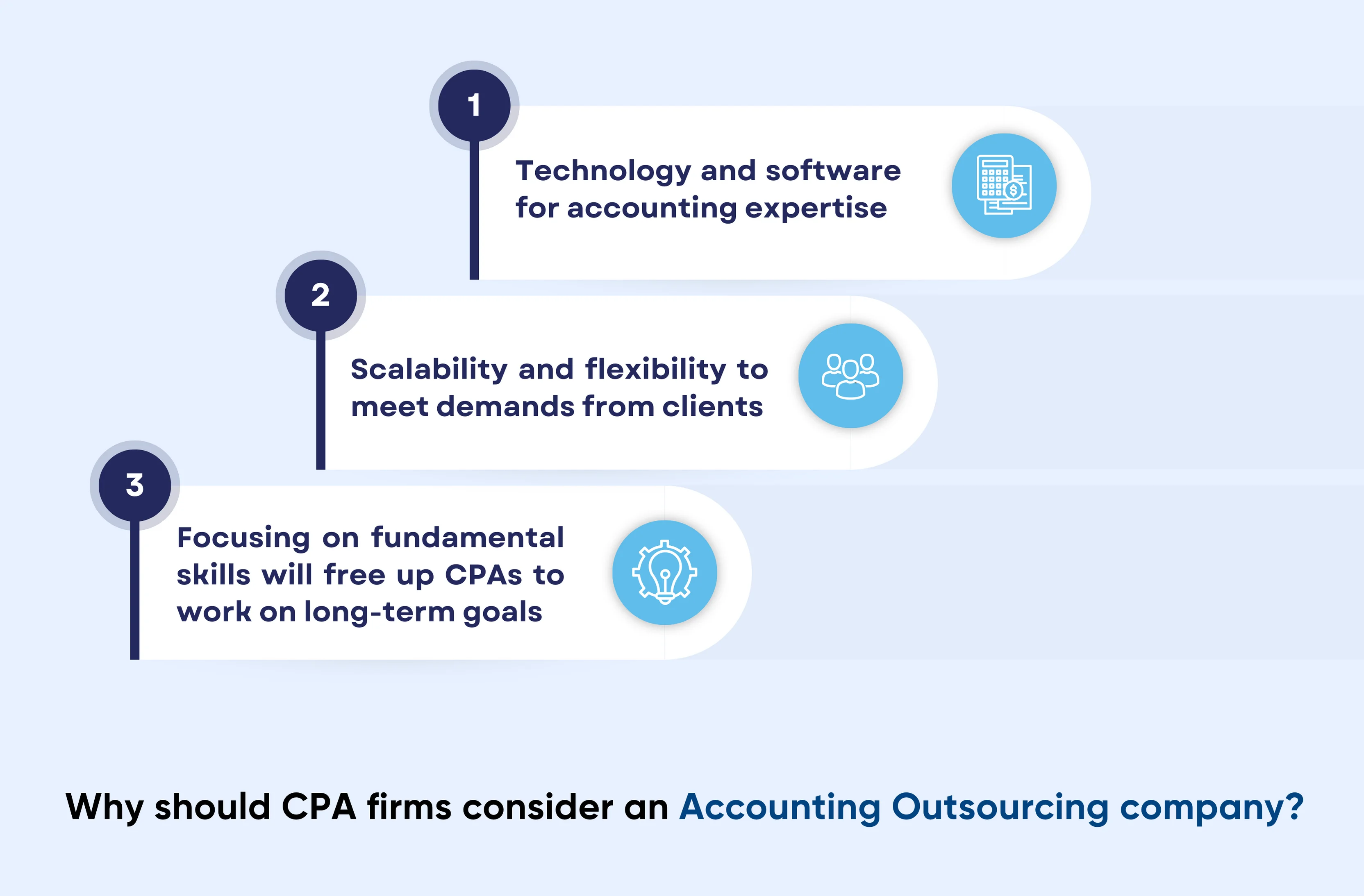
Certified Public Accounting (CPA) firms face growing pressure to manage operational costs while maintaining high-quality services for their clients. The increasing complexity of tax regulations, financial reporting requirements, and the demand for timely insights mean that accounting firms must optimize their resources without compromising on quality. One effective strategy that has gained significant traction in recent years is offshore staffing—hiring qualified professionals from other countries to handle various accounting and administrative tasks. Offshore staffing can help CPA firms reduce costs, enhance productivity, and gain a competitive edge in an increasingly demanding market.
Cost Reduction Through Offshore Staffing
One of the most immediate benefits of offshore staffing for CPA firms is significant cost savings. Accounting firms in countries like the United States, Canada, and the UK often face high labor costs, especially for experienced accountants and support staff. By contrast, countries such as India, the Philippines, and Eastern European nations offer a highly skilled workforce at a fraction of the cost. For example, hiring a qualified accountant offshore may cost 40-60% less than hiring a domestic employee with similar skills.
These savings extend beyond salaries. Offshore staffing can reduce overhead expenses associated with office space, equipment, and employee benefits. Many offshore professionals work remotely, eliminating the need for additional physical infrastructure. Additionally, firms can scale their staffing up or down according to seasonal demands, such as during tax season, without incurring the fixed costs associated with full-time local employees. This flexibility allows CPA firms to allocate resources more efficiently and reinvest savings into other growth initiatives.
Access to a Global Talent Pool
Offshore staffing provides CPA firms with access to a vast pool of global talent. This is particularly valuable in the accounting industry, where firms often struggle to find specialized skills locally. By hiring offshore, firms can tap into professionals with expertise in areas such as tax compliance, audit support, financial analysis, bookkeeping, and payroll processing. Many offshore teams are highly trained in international accounting standards, making them well-suited for firms with clients that operate across borders.
Moreover, offshore professionals often bring unique perspectives and innovative approaches to problem-solving. This diversity of thought can improve efficiency, reduce errors, and enhance the quality of work delivered to clients. For smaller CPA firms, in particular, offshore staffing can provide access to skill sets that would otherwise be unattainable due to budget constraints.
Increasing Productivity and Efficiency
Offshore staffing can dramatically increase productivity within CPA firms. Routine and time-consuming tasks such as data entry, reconciliation, and bookkeeping can be delegated to offshore professionals, allowing onshore accountants to focus on high-value services like strategic tax planning, client advisory, and financial consulting. This division of labor ensures that the firm’s most skilled employees are utilized where they add the most value, leading to improved client satisfaction and retention.
Additionally, offshore teams often work in different time zones, providing CPA firms with the advantage of a near-continuous workflow. For instance, while a U.S.-based firm’s office is closed for the day, an offshore team in Asia can continue processing client data, preparing reports, or performing audits. This time-zone advantage can accelerate project turnaround times and enhance overall operational efficiency.
Technology-Driven Collaboration
The success of offshore staffing relies heavily on effective communication and technology-driven collaboration. Modern cloud-based accounting software, secure file-sharing platforms, and project management tools allow CPA firms to seamlessly integrate offshore staff into their workflow. Real-time collaboration ensures that offshore accountants are aligned with the firm’s standards, processes, and client expectations. By leveraging technology, firms can maintain quality control while benefiting from the cost and productivity advantages of offshore staffing.
Moreover, cybersecurity and data protection measures can be implemented to safeguard sensitive client information. With proper protocols in place, CPA firms can confidently utilize offshore resources without compromising confidentiality or regulatory compliance.
Strategic Advantages Beyond Cost Savings
While cost reduction is a primary motivator, offshore staffing offers several strategic advantages that contribute to long-term growth. By delegating operational tasks offshore, CPA firms can scale rapidly to meet increasing client demands. This flexibility is particularly beneficial during peak periods, such as tax season, audits, or large client engagements. Firms can also experiment with new service offerings without committing significant local resources, using offshore teams to pilot initiatives in bookkeeping, payroll, or advisory services.
Furthermore, offshore staffing can improve client service by enabling faster response times and more accurate deliverables. Firms can maintain competitive pricing without compromising quality, which is increasingly important in a market where clients are both cost-conscious and quality-driven. Over time, these benefits contribute to stronger client relationships, higher client retention, and increased profitability.
Key Considerations for CPA Firms
To maximize the benefits of offshore staffing, CPA firms must approach the process strategically. Key considerations include:
-
Selecting the Right Offshore Partner: Evaluate potential partners based on expertise, reputation, security protocols, and cultural compatibility. A trusted partner ensures quality and reliability.
-
Defining Clear Roles and Processes: Clearly outline responsibilities, workflow processes, and communication protocols to avoid confusion and ensure efficiency.
-
Investing in Training and Integration: Provide training to offshore staff on the firm’s standards, tools, and client expectations to maintain consistency in service delivery.
-
Ensuring Data Security: Implement strong cybersecurity measures to protect sensitive client information and comply with regulatory requirements.
-
Monitoring Performance: Regularly track key performance metrics to ensure offshore staffing contributes to productivity gains and cost savings.
Conclusion
Offshore staffing represents a powerful strategy for CPA firms seeking to reduce costs and increase productivity. By leveraging a global talent pool, firms can delegate routine tasks, optimize operational efficiency, and focus on high-value client services. Cost savings, combined with faster turnaround times and access to specialized skills, create a competitive advantage that allows firms to thrive in a complex and fast-paced industry.
With careful planning, the right technology, and a commitment to maintaining quality standards, offshore staffing can transform the way CPA firms operate, delivering tangible benefits that extend far beyond mere cost reduction. For firms looking to remain competitive and efficient in today’s dynamic accounting landscape, offshore staffing is not just an option—it is a strategic imperative.
 Turkish
 English
 Arabic
 French
 Spanish
 Portuguese
 Deutsch
 Dutch
Dutch
 Italiano
 Russian
 Romaian
 Portuguese (Brazil)
 Greek
Greek