


How Do Diaphragm Pressure Gauges Ensure Precise Pressure Control in Pipelines?
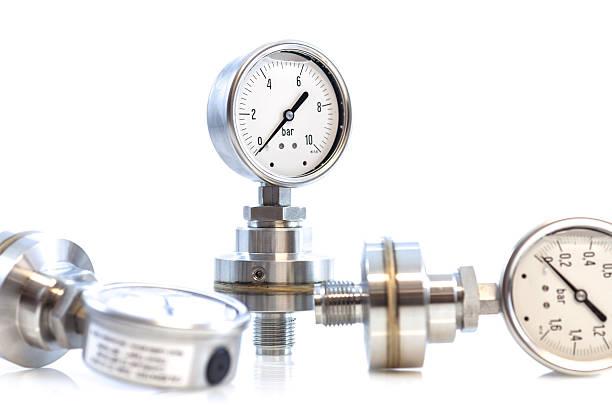
Precise pressure control is essential for the safe, efficient, and consistent operation of modern pipeline systems. Among the most reliable devices designed for this task are diaphragm pressure gauges, instruments that use a flexible membrane to measure pressure and provide clear indications of system behavior. Their role in pipelines extends beyond simple monitoring. They help maintain operational stability, safeguard equipment, and support regulatory compliance. To understand how these gauges ensure accurate pressure control, it is necessary to explore their design, their working principles, and the environments in which they excel.
The Working Principles Behind Diaphragm Pressure Gauges
The Mechanical Action of the Diaphragm and Its Sensitivity
Diaphragm pressure gauges operate through a simple yet highly effective mechanism. At the core of the device is a thin, flexible diaphragm made from materials such as stainless steel, Hastelloy, or polymer-coated metals. When pressure from the pipeline acts on one side of the diaphragm, it deflects in proportion to the applied force. This deflection is then transferred to a movement mechanism that converts it into a readable dial indication. Because the diaphragm reacts accurately to even small pressure changes, it provides precise and stable readings crucial for pipeline operations.
The sensitivity of the diaphragm makes this type of gauge extremely useful in systems with low-pressure ranges or where minor fluctuations must be detected. In pipelines transporting delicate fluids, chemical mixtures, or gas systems requiring strict regulation, the diaphragm ensures that operators receive timely and accurate information.
How the Gauge Maintains Measurement Integrity
The internal design of diaphragm gauges helps ensure long-term accuracy. The isolation created by the diaphragm prevents pipeline media from contacting or corroding the mechanical components. This isolation not only preserves the life of the instrument but also ensures that the readings remain consistent. In many pipeline scenarios, contamination or buildup inside the gauge could distort measurements. The diaphragm barrier prevents this issue entirely by providing a clean, sealed area for measurement transfer.
The Role of Diaphragm Pressure Gauges in Pipeline Control
Ensuring Accurate Pressure Monitoring in Complex Fluid Conditions
Pipeline systems often carry fluids with varying viscosities, particulate content, or corrosive characteristics. In these cases, conventional pressure gauges may lose accuracy, or worse, become damaged. Diaphragm pressure gauges excel in these challenging conditions because the diaphragm protects the sensing mechanism from direct exposure. Even in cases involving sludge, crystallizing liquids, chemical residues, or high-moisture environments, the gauge continues to offer stable performance.
Precise pressure readings support the regulation of flow rate, product quality, and energy consumption. When operators receive reliable data, they can adjust pumps, valves, and regulators efficiently. In large industrial pipelines, this ability significantly affects performance, preventing malfunctions and supporting optimized output.
Maintaining Balance and Stability in Pipeline Systems
Pressure imbalances in pipelines can cause vibration, noise, wear, inefficiency, and even rupture. Diaphragm gauges help detect early signs of imbalance, allowing operators to react quickly. Because the diaphragm reacts instantly to pressure changes, it helps maintain a steady flow by providing an ongoing reflection of system behavior.
In chemical process lines or steam pipelines, the ability to register rapid changes is especially important. The diaphragm gauge offers a smoother and more accurate response compared to bourdon type gauges in low-pressure or fluctuating conditions. With accurate feedback, pipeline controllers can ensure that pumps operate at the correct pressure, preventing unnecessary strain on the system.
Environmental and Material Advantages
Resistance to Corrosion and Aggressive Media
One of the most powerful advantages of diaphragm pressure gauges is their ability to withstand aggressive or corrosive fluids. Diaphragm materials can be specifically selected to match the pipeline medium. For example, PTFE-coated diaphragms resist strong acids, while alloy diaphragms withstand high temperatures and aggressive chemical mixtures.
Because the diaphragm isolates the measuring mechanism, even highly corrosive or toxic fluids pose no risk to the internal gauge. This protective ability ensures long-term reliability and reduces maintenance.
Performance Under Extreme Temperature and Pressure Conditions
Many industrial pipelines operate under extreme temperatures or pressure variations. Diaphragm gauges remain stable and accurate even in these demanding environments. The membrane’s elasticity allows it to return to its original position repeatedly without deformation, ensuring that readings remain trustworthy.
This feature is especially critical in industries such as petrochemical refining, wastewater treatment, or food processing, where pressure requirements fluctuate regularly. With diaphragm gauges in place, operators gain confidence that the readings reflect actual conditions rather than the effects of thermal expansion or mechanical fatigue.
Application of Diaphragm Gauges in Diverse Pipeline Industries
Use in Sanitary and Hygienic Pipelines
Industries requiring sterility, such as pharmaceuticals or food processing, rely heavily on diaphragm pressure gauges because their smooth surfaces prevent contamination. No fluid enters the gauge mechanism, preventing bacterial growth or product residue. This hygienic design aligns with strict regulatory standards and ensures product safety at every stage of pipeline movement.
Use in Chemical and Petrochemical Pipelines
Pipelines carrying acids, solvents, or heavy chemical mixtures benefit greatly from diaphragm-based measurement. In these sectors, the risk of corrosion is high, and conventional gauges may fail quickly. The diaphragm acts as a barrier, preventing direct contact between chemicals and mechanical parts. As a result, measurement accuracy remains consistent even in the presence of harmful substances.
The Contribution of Diaphragm Gauges to System Safety
Early Detection of Dangerous Conditions
Pipeline managers depend on proactive safety strategies. Diaphragm gauges help detect dangerous pressure buildups before they lead to accidents. Because they respond rapidly to pressure changes, they allow for quick intervention. If pressure rises beyond safe limits, operators are alerted immediately and can act to protect equipment and personnel.
Supporting Regulatory Compliance and Quality Control
Many industries are subject to strict safety regulations requiring precise pressure monitoring. Diaphragm gauges help ensure compliance by providing reliable data. They also support quality control efforts by maintaining consistent operating conditions.
Why Diaphragm Gauges Are Essential for Modern Pipelines
Durability, Precision, and Long-Term Stability
Modern pipeline systems demand instruments that remain reliable over long periods. Diaphragm pressure gauges offer long-term durability, minimal maintenance requirements, and high accuracy. Their ability to maintain precision despite exposure to challenging conditions makes them ideal for continuous pipeline operations.
Ease of Integration Into Automated Systems
As pipeline control becomes increasingly automated, diaphragm gauges integrate easily with digital transmitters and monitoring systems. Their stable mechanical output can be combined with electronic sensing devices to support advanced pressure control and real-time data logging.
Conclusion
Diaphragm pressure gauges ensure precise pressure control in pipelines by combining sensitive measurement capabilities, strong resistance to harsh media, and reliable performance across a wide range of environments. Their diaphragm barrier protects the internal mechanism, maintaining accuracy even when exposed to corrosive, viscous, or sanitary-critical fluids. These gauges support stability, safety, and efficiency in pipeline operations, making them indispensable for industries requiring exact pressure control. In modern pipeline networks, the reliability and adaptability of diaphragm pressure gauges continue to play a vital role in maintaining operational excellence and safety.
 Italiano
 English
 Arabic
 French
 Spanish
 Portuguese
 Deutsch
 Turkish
 Dutch
Dutch
 Russian
 Romaian
 Portuguese (Brazil)
 Greek
Greek