


How British War Movies Portray the Realities of Combat
British War Movies occupy a distinctive space in global film history. They combine national memory with personal struggle. They blend historical accuracy with emotional depth. They often depict chaos, duty, camaraderie, and trauma with an intensity grounded in real events. These films do not simply recreate battles. They interpret the psychological landscape of soldiers and civilians. They explore fear. They explore loyalty. They explore sacrifice. They portray how ordinary individuals confront extraordinary situations. This article examines how British War Movies portray combat by studying well-known films, analyzing narrative strategies, and highlighting how the genre continues to offer meaningful reflections on war and humanity.
Combat as Chaos and Survival
Depicting the Unpredictability of the Battlefield
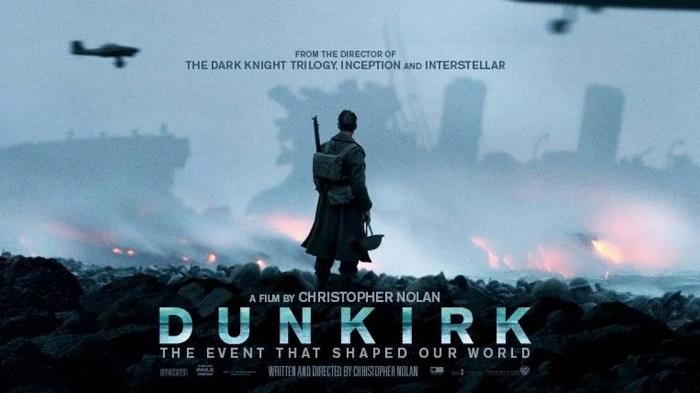
Many British War Movies convey the unpredictability of combat. They show soldiers stepping into the unknown. They show plans falling apart. They show decisions made in seconds. A clear example appears in “Dunkirk” (2017), where chaos becomes central to the film’s structure. Christopher Nolan builds the story through intersecting timelines. One follows soldiers trapped on the beach. One follows civilians navigating dangerous waters. One follows pilots defending the skies. Each storyline conveys stress and uncertainty. Shots of explosions, sinking ships, and desperate escapes emphasize that combat operates beyond predictable logic. The unpredictability of battle becomes a visceral experience for viewers.
This portrayal reflects real accounts of war. Soldiers rarely move according to neat strategies. They respond to shifting threats. They struggle to survive. British War Movies often reject glorification and instead present combat as disorienting and uncontrollable. Viewers feel the weight of risk. They sense the characters’ fear and determination.
Showing the Physical and Emotional Toll
Films such as “1917” (2019) reveal the physical endurance required in war. The film follows two soldiers tasked with delivering a message across dangerous territory. Through long takes, the audience sees exhaustion, injury, and desperation. Mud, barbed wire, smoke, and ruin fill the screen. The relentless pace communicates the physical toll combat exerts on the body.
Emotional strain also appears prominently. Character reactions demonstrate shock, grief, and numbness. War becomes more than a physical confrontation. It becomes a psychological battlefield. British War Movies often explore how trauma emerges gradually. They show characters who attempt to remain calm, yet the burden of violence grows heavier. In doing so, the films present combat as a human ordeal that extends beyond the immediate firefight.
Duty, Camaraderie, and Moral Conflict
Brotherhood as a Response to the Brutality of War
Many British War Movies highlight camaraderie as a key component of survival. In “The Bridge on the River Kwai” (1957), although the story unfolds within a prisoner-of-war camp rather than the battlefield, the bonds among prisoners reflect how soldiers rely on one another. Their shared suffering creates unity. Their shared tasks reinforce purpose. Their shared determination counters despair.
Similarly, “The Dam Busters” (1955) portrays teamwork as essential to mission success. Pilots, engineers, and intelligence officers must cooperate to undertake an operation of immense risk. Their interactions show trust, professionalism, and mutual dependence. Combat becomes more survivable when soldiers feel supported by comrades. These themes recur in many British War Movies, signaling that solidarity can temper fear.
Moral Choices Under Extreme Pressure
British war cinema often confronts ethical dilemmas. Soldiers must make decisions that involve risk to themselves or others. Commanders weigh strategic objectives against the cost of human life. Characters wrestle with guilt and responsibility.
In “Atonement” (2007), the Dunkirk sequence introduces moral ambiguity. Soldiers commit acts of both desperation and compassion. Civilians become victims. The lines between right and wrong blur within the disorder of war. The film acknowledges that combat tests moral values. Choices made in extreme situations leave emotional scars.
“The English Patient” (though partly British and multinational in its production) includes another example. While not strictly a combat film, its wartime setting and themes of betrayal and loyalty provide a reflection on how war disrupts moral boundaries. British War Movies frequently illustrate that soldiers face not only enemies but also ethical crises shaped by survival.
Historical Memory and Authentic Representation
Reconstructing Key Battles with Accuracy
One defining trait of British War Movies is their dedication to authenticity. Many films attempt to recreate real battles with historical detail. “Zulu” (1964) dramatizes the Battle of Rorke’s Drift. The film shows British soldiers forming defensive lines, rationing ammunition, and confronting overwhelming odds. Though stylized in parts, the tactical strategies and battlefield formations mirror historical accounts.
“Dunkirk” also pays close attention to authentic setting. Nolan used real ships, real planes, and real locations whenever possible. The film avoids heavy digital effects, reinforcing its documentary-like tone. Authenticity allows audiences to trust the portrayal. It connects fictional characters to historical truth.
Preserving National Identity Through Storytelling
British War Movies often serve as reflections of national character. They highlight resilience, perseverance, and resourcefulness. These traits appear repeatedly in narratives about World War I and World War II. The films build a sense of collective memory. They remind viewers of shared history. They emphasize the struggles endured by earlier generations.
“Darkest Hour” (2017), though not primarily a combat film, contributes to the portrayal of wartime identity by focusing on political decisions that shaped military action. It underscores the connection between leadership and the soldiers fighting in the field. The film shows how national resolve emerges through hardship. Combat scenes in accompanying films reinforce this broader cultural narrative.
Combat as Personal Transformation
The Inner Journey of Soldiers
Combat changes individuals. British War Movies frequently examine this transformation. Soldiers begin with clear ideals. They carry expectations shaped by patriotism, duty, or adventure. But war alters them. It challenges their assumptions. It exposes their limits.
“Journey’s End” (2017) illustrates this transformation profoundly. The film focuses on officers in a trench near the frontlines during World War I. Their interactions reveal fear, courage, resignation, and breaking points. The claustrophobic setting intensifies psychological tension. Combat becomes internal as much as external.
Characters confront their vulnerabilities. Some grow stronger. Others succumb to despair. The film shows that war reshapes personality in unpredictable ways.
Loss, Memory, and the Weight of Survival
Many British War Movies also portray surviving soldiers grappling with loss. They carry memories of fallen comrades. They struggle with survivor’s guilt. This emotional burden becomes part of the long-term reality of combat.
In “Regeneration” (1997), which explores the psychological aftermath of trench warfare, soldiers face trauma long after leaving the battlefield. Although much of the film occurs away from active combat, its depiction of mental scars reflects the lasting impact of war experiences. It complements other war films by showing how soldiers return with invisible wounds.
These portrayals remind audiences that combat does not end with victory or retreat. It continues within the minds of those who lived through it.
Conclusion
British War Movies portray the realities of combat with a blend of emotional depth, historical accuracy, and human complexity. They reject simplistic heroism. They emphasize unpredictability, fear, and moral struggle. They highlight camaraderie, resilience, and the inner transformation that war imposes on individuals. Through films like “Dunkirk,” “1917,” “Journey’s End,” “The Bridge on the River Kwai,” and many others, viewers witness combat not only as military action but also as psychological upheaval and ethical conflict. These films preserve historical memory while inviting reflection on the human cost of war. By portraying combat with honesty and nuance, British War Movies continue to deepen understanding of conflict and its enduring consequences.
 Russian
 English
 Arabic
 French
 Spanish
 Portuguese
 Deutsch
 Turkish
 Dutch
Dutch
 Italiano
 Romaian
 Portuguese (Brazil)
 Greek
Greek