


Are Electromagnetic Flow Meters Suitable for Sanitary Use?
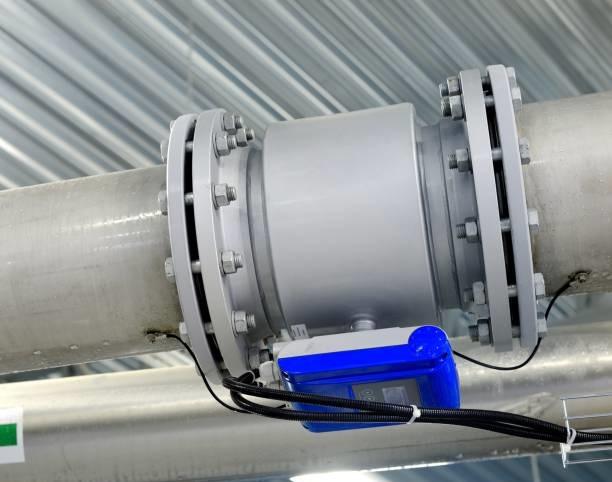
Sanitary applications demand exceptionally high standards of cleanliness, accuracy, and reliability. These requirements are especially important in industries such as food and beverage production, pharmaceutical manufacturing, dairy processing, and biotechnology, where the quality and safety of the final product depend on precise measurement and contamination-free handling of fluids. Among the many flow measurement technologies available today, electromagnetic flow meters are often considered a top choice for sanitary use. Their non-intrusive design, smooth internal surfaces, and ability to handle conductive liquids without causing pressure drop make them ideal for clean processes. However, to determine whether they are truly suitable for sanitary applications, it is essential to examine their construction, material compatibility, regulatory compliance, and operational performance.
Understanding the Working Principle of Electromagnetic Flow Meters
How the Technology Supports Hygienic Applications
Electromagnetic flow meters operate based on Faraday’s Law of Electromagnetic Induction, which states that a conductive fluid moving through a magnetic field generates a measurable voltage proportional to its velocity. This operating principle means the meter has no moving parts that come into contact with the fluid. Instead, the only components exposed to the process media are the flow tube lining and electrode materials.
Because the absence of moving parts reduces the risk of wear, particle shedding, or contamination, electromagnetic flow meters naturally align with sanitary design principles. Their smooth measurement tube interior helps maintain laminar flow, minimizes areas where microbes can accumulate, and allows for effective cleaning during CIP (Clean-In-Place) or SIP (Sterilize-In-Place) procedures.
Why Conductivity Matters in Sanitary Processes
Electromagnetic flow meters require the fluid to have sufficient electrical conductivity to induce measurable voltage. Fortunately, most sanitary fluids—such as milk, beer, pharmaceutical suspensions, juices, and water-based solutions—are conductive enough for accurate measurement. This compatibility strengthens the case for using electromagnetic flow meters in sanitary industries.
Material Considerations in Sanitary Electromagnetic Flow Meter Design
Hygienic Lining Materials
For sanitary applications, the internal lining material of the flow tube must be both chemically compatible and safe for contact with food or pharmaceutical substances. Common sanitary lining materials for electromagnetic flow meters include PTFE, PFA, and certain types of rubber approved for hygienic use. PTFE and PFA are particularly desirable due to their high chemical resistance, smooth surfaces, and ease of cleaning.
These materials help prevent contamination, resist microbial growth, and withstand aggressive cleaning agents, making them well suited for environments requiring repeated sanitation cycles.
Electrode Materials and Surface Finish
In addition to the lining, the electrode materials must also meet sanitary requirements. Stainless steel (316L), platinum, and Hastelloy are commonly used due to their corrosion resistance and long-term stability. For sanitary use, electrodes must maintain a smooth surface finish to reduce the risk of microbial adherence.
Ensuring that the electrodes remain flush with the flow tube interior is critical, as protruding surfaces could trap residue or disrupt fluid flow.
Hygienic Design Principles Supporting Sanitary Use
Smooth Internal Surfaces and Crevice-Free Flow Path
One of the most important sanitary features of electromagnetic flow meters is the smooth, unobstructed measurement tube. Because the interior contains no constrictions, cavities, or mechanical components, the risk of residue buildup is significantly reduced. This design makes it possible to maintain strict hygiene standards and implement efficient cleaning routines.
The seamless flow path also supports accurate measurement by avoiding flow disturbances, maintaining predictable hydraulic profiles, and reducing turbulence—important factors in sanitary processes where stable flow measurement is required for dosing, blending, and filtration.
Compatibility with CIP and SIP Processes
Sanitary facilities depend heavily on automated cleaning procedures, including high-temperature steam sterilization and chemical disinfection. Electromagnetic flow meters designed for sanitary use must tolerate these intense conditions.
CIP-friendly units can withstand aggressive cleaning agents, rapid temperature fluctuations, and high water pressures. SIP-compatible meters can endure saturated steam at elevated temperatures without compromising sensor integrity. The durability of electromagnetic flow meters under these conditions contributes significantly to their suitability for sanitary environments.
Regulatory Compliance for Sanitary Applications
Meeting Industry Hygienic Standards
To ensure safety and hygiene in sensitive industries, electromagnetic flow meters must comply with various international standards. For sanitary use, the most important certifications include 3-A Sanitary Standards (U.S.), EHEDG (European Hygienic Engineering & Design Group), and FDA requirements for material safety.
Flow meters with 3-A or EHEDG certification have undergone rigorous testing to verify hygienic design, cleanability, and material compatibility. Such certifications provide assurance that electromagnetic flow meters meet the strictest sanitary quality benchmarks.
Material and Gasket Certification Requirements
In addition to the main body of the meter, seals, gaskets, and process connections must comply with sanitary standards. FDA-approved elastomers, EPDM, and PTFE seals are commonly used. Ensuring the entire assembly meets hygienic requirements is essential to maintaining a clean and safe flow system.
Performance Benefits in Sanitary Processing
Stable Measurement for Conductive Fluids
The accuracy and reliability of electromagnetic flow meters make them well-suited for measuring conductive sanitary fluids. They deliver stable output even when flow conditions vary due to viscosity, temperature, or density changes, which frequently occur in food and pharmaceutical processes.
Their ability to maintain accuracy across a wide flow range supports precision dosing, ingredient mixing, and real-time process control, which are essential for maintaining product quality.
Zero Pressure Drop and Gentle Handling
A major advantage of electromagnetic flow meters in sanitary use is their non-intrusive design, which produces virtually zero pressure drop. This characteristic is invaluable in industries where maintaining gentle product handling is crucial. Dairy processors, for example, must avoid shear stress that could damage proteins, while brewers must maintain product integrity throughout the pipeline.
The smooth tube ensures that sensitive fluids are not exposed to mechanical forces that could alter texture, composition, or purity.
Installation and Maintenance Considerations
Hygienic Connections and Mounting Practices
Sanitary electromagnetic flow meters typically feature tri-clamp, sanitary flange, or other hygienic fittings that allow for rapid installation and removal. These fittings make maintenance more efficient and reduce contamination risk.
Proper installation ensures that the flow meter does not introduce dead zones or pockets that could harbor microbial growth. Maintaining proper alignment and straight-pipe conditions also improves measurement stability.
Long-Term Cleanability and Durability
Because electromagnetic flow meters have no moving parts, maintenance requirements are minimal. Their robust construction and corrosion-resistant materials extend service life even when subjected to harsh cleaning cycles.
Over long periods of use, electromagnetic flow meters continue to provide reliable performance with little degradation, making them cost-effective for sanitary operations.
Conclusion: Electromagnetic Flow Meters Are Well Suited for Sanitary Applications
After evaluating their design features, material compatibility, regulatory compliance, and operational performance, it is clear that electromagnetic flow meters are highly suitable for sanitary use. Their non-intrusive measurement method, smooth internal flow path, and compatibility with strict hygienic standards make them a preferred choice for industries where cleanliness is crucial. With proper installation, calibration, and adherence to sanitary guidelines, electromagnetic flow meters provide accurate, reliable, and contamination-free measurement in demanding clean-process environments.
 Turkish
 English
 Arabic
 French
 Spanish
 Portuguese
 Deutsch
 Dutch
Dutch
 Italiano
 Russian
 Romaian
 Portuguese (Brazil)
 Greek
Greek