


How does the Book of Exodus emphasize God’s holiness?
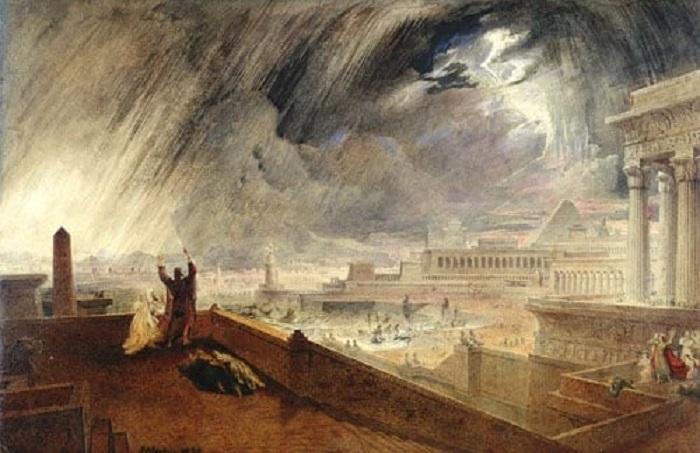
The Book of Exodus is central to the Bible’s narrative, recounting the story of the Israelites' liberation from slavery in Egypt and their journey toward the Promised Land. Beyond its historical and narrative significance, Exodus places a profound emphasis on the holiness of God, highlighting His purity, transcendence, and the requirement of holiness in the lives of His people. The book intricately weaves God's holiness into its themes, from the dramatic encounter at the burning bush to the establishment of the Tabernacle and the giving of the Law at Sinai. This exploration of holiness reveals not only God’s absolute transcendence but also His desire to dwell among His people in a way that reflects His holiness.
The Holiness of God Revealed in the Burning Bush
A Divine Encounter: God’s Holiness as Revealed to Moses
One of the most striking moments in the Book of Exodus that emphasizes God's holiness occurs in chapter 3, when Moses encounters the burning bush. As Moses approaches the bush, he hears the voice of God calling him by name and commanding him to remove his sandals because the ground on which he stands is holy. "Do not come any closer. Take off your sandals, for the place where you are standing is holy ground" (Exodus 3:5). This moment is a powerful revelation of God’s holiness.
The command to remove sandals serves as a symbolic act of reverence and submission. It signifies that God’s presence makes any space sacred, requiring a response of humility and respect. The holiness of God is not confined to a particular temple or building but extends to all of creation, where His presence is manifest. Through this encounter, the Book of Exodus establishes a foundational principle: God's holiness is a reality that demands recognition and reverence.
The Holy One Who Calls and Purifies
God’s declaration to Moses also reveals a central aspect of His holiness: it is inherently tied to His moral purity and divine purpose. The holiness of God in this narrative is not abstract; it is connected to His calling of Moses to deliver the Israelites from slavery. God’s holiness is not merely a theological concept; it has practical implications for His people. Moses is called to be part of God’s redemptive work, and his response to God’s holiness involves submission and obedience, elements that will be central throughout the Book of Exodus.
God’s Holiness Manifested in the Plagues
A Display of God’s Power and Judgment
In the narrative of the ten plagues, God’s holiness is revealed through His mighty acts of judgment against Egypt. Each plague serves as a direct confrontation with Egypt’s gods and the false sense of security the Egyptians place in their idols. The plagues demonstrate God's authority over all creation and His holiness in judging the sin and idolatry of Egypt. In Exodus 7:4-5, God declares, "When I stretch out my hand against Egypt and bring the Israelites out of it, the Egyptians will know that I am the Lord."
God’s holiness is not only a characteristic of His pure nature but also of His righteous wrath against sin. The plagues, though devastating, are an expression of divine justice. They serve as a warning and a call to repentance, showing that God's holiness is incompatible with the impurity and rebellion that characterize Pharaoh's heart and the idolatry of Egypt. This public demonstration of God's holiness becomes a lesson for both Egypt and Israel, affirming that God's purity requires the eradication of evil and disobedience.
The Holiness of God in the Passover
The institution of the Passover in Exodus 12 further emphasizes the connection between God’s holiness and salvation. The Israelites are instructed to mark their doorframes with the blood of a lamb, so that when the Lord passes through Egypt, He will "pass over" their homes, sparing them from the final plague (Exodus 12:13). The Passover is a key moment in the story of Exodus and reflects both God’s holiness and His mercy.
The blood of the lamb, which protects the Israelites from judgment, points to the necessity of sacrifice in the presence of God's holiness. Holiness is inseparable from purity, and for the Israelites to stand in God's presence without being consumed, they must be covered by the blood of the sacrifice. This foreshadows the ultimate sacrifice of Jesus Christ, the "Lamb of God," whose blood secures salvation for all who believe. In Exodus, the Passover provides a temporary solution for Israel, demonstrating God’s holiness in both judgment and salvation.
The Giving of the Law at Mount Sinai
God’s Holiness and the Law
One of the most significant ways the Book of Exodus emphasizes God's holiness is through the giving of the Law on Mount Sinai. In Exodus 19, the Israelites are instructed to consecrate themselves and prepare for God’s revelation. When God descends upon the mountain in a cloud, accompanied by thunder, lightning, and the sound of a trumpet, His holiness is made manifest in a terrifying and awe-inspiring way. God commands that the people should not approach the mountain lest they die, underscoring the barrier between His pure holiness and the unholy nature of humankind.
Exodus 19:10-11 states, “The Lord said to Moses, 'Go to the people and consecrate them today and tomorrow. Have them wash their clothes and be ready by the third day, because on that day the Lord will come down on Mount Sinai in the sight of all the people.'" The holiness of God requires the people to purify themselves, demonstrating that entering into His presence demands both physical and spiritual readiness. This act of consecration is not just about ritual cleanliness but about preparing one's heart to engage with the divine.
The Law as a Reflection of God’s Holiness
The laws given at Sinai are a direct reflection of God's holy character. The Ten Commandments, in particular, establish moral standards for how God’s people are to live in relationship to Him and with one another. These laws show that holiness involves both purity of worship and purity in interpersonal relationships. The call to love God with all one's heart and to love one’s neighbor as oneself is rooted in the very nature of God's holiness.
The Book of Exodus highlights that holiness is not just an abstract concept but a way of life. For the Israelites to be in a covenant relationship with the holy God, they must reflect His holiness in their actions, their relationships, and their worship. The laws, with their focus on justice, compassion, and reverence for God, provide the framework for living out this holiness.
The Tabernacle: A Place for God’s Holy Presence
The Tabernacle as a Dwelling Place for the Holy God
The construction of the Tabernacle, as described in Exodus 25-40, underscores God's desire to dwell among His people despite His holiness. God commands the Israelites to build a sacred place where His presence can reside, but the space must be carefully consecrated to reflect His holiness. The detailed instructions for the Tabernacle’s construction emphasize that every element, from the Ark of the Covenant to the altar and the priestly garments, must be made according to God's specifications, as His holiness must permeate every part of the worship experience.
Exodus 29:45-46 says, "Then I will dwell among the Israelites and be their God. They will know that I am the Lord their God, who brought them out of Egypt so that I might dwell among them. I am the Lord their God." This passage highlights that God’s holiness is not distant or removed; He desires to be with His people. Yet, His presence in their midst requires holiness and purity, which is why the Tabernacle and its rituals serve as a constant reminder of the need for sanctification.
The Priesthood and Holiness
The priests, who serve in the Tabernacle, are also consecrated to ensure that they can approach God in a holy manner. The garments and rituals associated with the priesthood in Exodus 28-30 underscore the distinction between the holy and the common. The priests must undergo purification and wear specific clothing to reflect the holiness of their office. This separation of the holy from the unholy, represented in the priesthood and the Tabernacle, reinforces the necessity of holiness in approaching God.
Conclusion: God’s Holiness in the Book of Exodus
The Book of Exodus emphasizes the holiness of God in profound ways that shape the identity of Israel and the nature of their relationship with God. From the burning bush to the plagues, the giving of the law, and the construction of the Tabernacle, the holiness of God is a central theme that calls for reverence, purity, and consecration. Through His holiness, God demonstrates both His justice in judgment and His mercy in redemption. Ultimately, the holiness of God revealed in Exodus invites His people to reflect that holiness in their own lives, teaching them that holiness is not only about separation from sin but also about drawing near to the holy presence of God.
 Portuguese (Brazil)
 English
 Arabic
 French
 Spanish
 Portuguese
 Deutsch
 Turkish
 Dutch
Dutch
 Italiano
 Russian
 Romaian
 Greek
Greek