


How Oil-Water Separators Help Reduce Environmental Fines
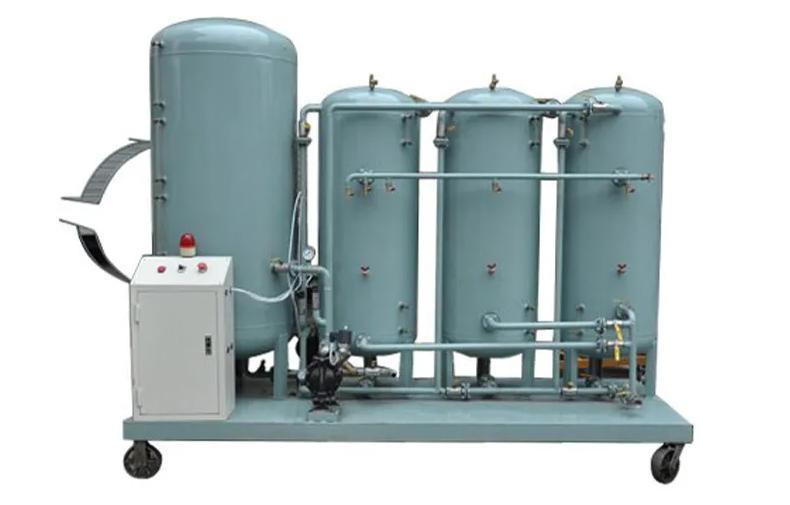
In today’s regulated industrial landscape, environmental compliance isn’t just good practice—it’s a critical financial safeguard. For facilities that handle oils, coolants, or hydrocarbons, the accidental discharge of contaminated water can lead to staggering fines, legal liabilities, and reputational damage. This is where oil-water separators step in as an unsung hero of both environmental stewardship and business protection.
The High Stakes of Non-Compliance
Regulatory bodies like the EPA and local water authorities enforce strict limits on the amount of oil and grease allowed in wastewater discharges. Violations can result in fines ranging from thousands to hundreds of thousands of dollars per day, per violation. Beyond the immediate penalties, companies may face increased scrutiny, costly mandatory remediation projects, and even operational shutdowns.
How Oil-Water Separators Work to Ensure Compliance
An oil-water separator is a passive treatment system designed to remove free oils, greases, and solids from wastewater before it is discharged to the sewer or environment. Using the principles of gravity and coalescence, these systems allow heavier water to settle at the bottom while lighter oil rises to the top for skimming and removal. The treated water, now within legal contaminant limits, can then be safely discharged.
Key Benefits That Directly Impact Your Bottom Line
Proactive Compliance: Separators act as your first line of defense, consistently treating wastewater to meet EPA Clean Water Act and local POTW (Publicly Owned Treatment Works) standards.
Documented Due Diligence: Operating and maintaining a certified separator provides tangible proof of your commitment to compliance—a crucial factor if an inspection or audit occurs.
Prevention of Catastrophic Spills: They contain and manage incidental leaks or runoff from equipment washing, preventing a single event from triggering a major violation.
Reduced Liability: By preventing pollution at the source, you significantly lower the risk of being held liable for environmental cleanup costs—expenses that can dwarf initial fines.
A Smart Investment, Not Just a Cost
Viewing an oil-water separator as a capital expense misses the bigger picture. It is, in fact, a strategic investment in risk management. The cost of a reliable separator system is often a fraction of a single major fine, not to mention the associated legal fees and increased insurance premiums.
For any industrial operation dealing with oils, installing and properly maintaining an oil-water separator isn't just about following the rules—it's about building a resilient, responsible, and financially sound business.
 Portuguese
 English
 Arabic
 French
 Spanish
 Deutsch
 Turkish
 Dutch
Dutch
 Italiano
 Russian
 Romaian
 Portuguese (Brazil)
 Greek
Greek