


The Essential Guide to High-Quality Dental Instruments
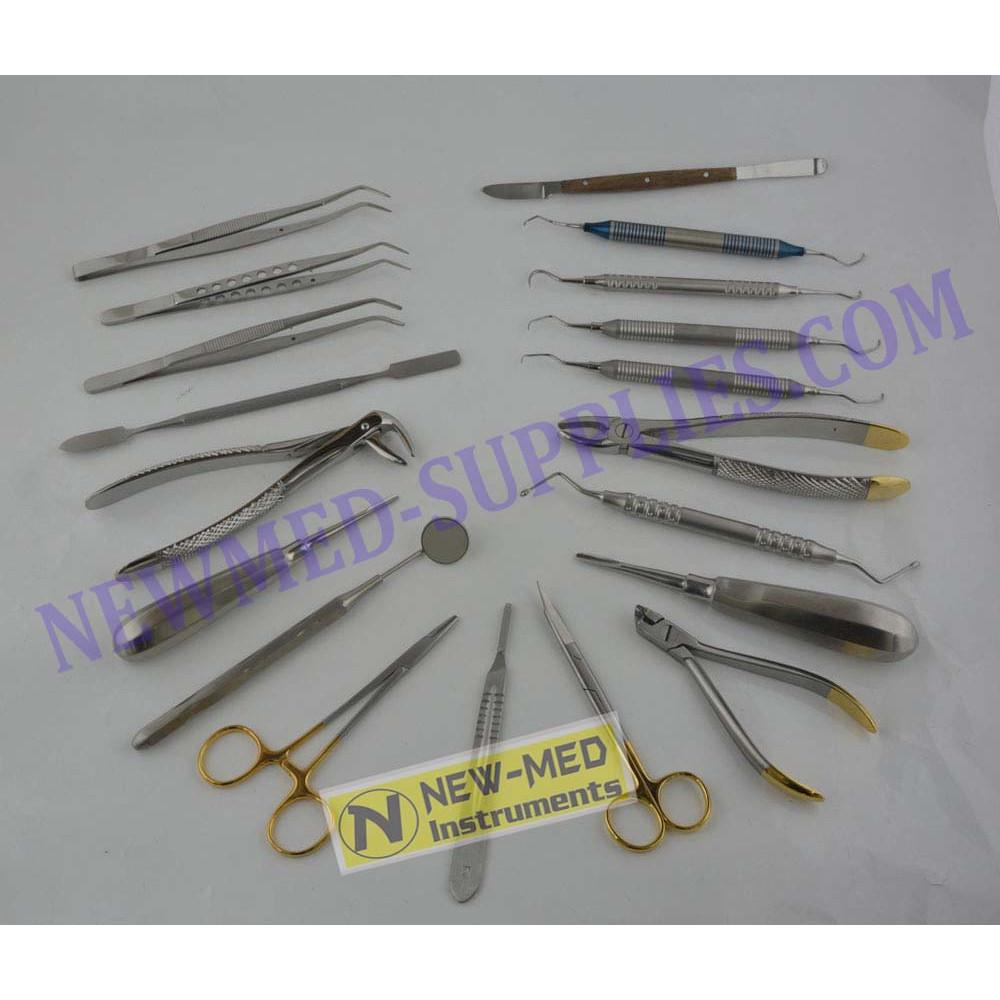
In the field of dentistry, the quality of outcomes is directly linked to the precision of the tools used. For surgeons, students, and healthcare professionals, selecting the right dental instrument is not merely a matter of preference but a crucial component of delivering exceptional patient care. High-quality instruments ensure accuracy, enhance efficiency, and contribute to safer procedures, forming the foundation of a successful practice. Understanding the nuances of what makes an instrument superior is essential for any professional committed to excellence.
The Role of Material and Manufacturing
The journey of a superior dental instrument begins with its material. Medical-grade stainless steel is often the material of choice due to its durability, corrosion resistance, and ability to be sterilized effectively. The manufacturing process is equally critical. Forging, tempering, and finishing techniques determine the instrument's final strength, balance, and tactile feel. A meticulously crafted tool provides the user with greater control, reducing hand fatigue and allowing for more precise movements during delicate procedures. This attention to detail in production translates into reliability and longevity.
Categorizing Key Dental Instruments
The array of dental tools can be extensive, with each designed for a specific function. Diagnostic instruments, such as mirrors, probes, and explorers, are fundamental for examination and assessment. Restorative instruments, including excavators, carvers, and burnishers, are used to place, contour, and finish fillings. For surgical procedures, instruments like forceps, elevators, and scalers are indispensable. Each category contains specialized tools that enable dentists to perform their work with accuracy and confidence, highlighting the importance of having a comprehensive and well-maintained toolkit.
Advancements in Dental Instrument Technology
The evolution of dental technology has led to significant innovations in instrument design. Ergonomic handles, for instance, are now standard on many tools to improve grip and reduce the risk of musculoskeletal strain for practitioners. New coatings and alloys are being developed to enhance performance, offering sharper edges that last longer and non-stick surfaces for composite materials. These advancements reflect a continuous effort to refine every dental instrument to meet the growing demands of modern dentistry and improve the overall treatment experience for both the professional and the patient.
Maintaining Instrument Integrity and Sterilization
The longevity and effectiveness of any dental tool depend heavily on proper care and maintenance. A strict sterilization protocol is non-negotiable to prevent cross-contamination and ensure patient safety. Instruments must be thoroughly cleaned, disinfected, and sterilized according to established guidelines. Regular inspection for wear, damage, or corrosion is also vital. Proper sharpening of cutting instruments preserves their efficacy, ensuring clean and precise incisions. Adhering to these maintenance practices protects your investment and upholds the highest standards of care.
Choosing the Right Supplier for Your Practice
Selecting a reliable supplier is as important as choosing the right instrument dental tooth pulling tool. A reputable provider, such as New Med Instruments, offers more than just products; they provide assurance of quality, consistency, and customer support. When evaluating suppliers, consider their commitment to using high-grade materials, their adherence to international manufacturing standards, and their reputation within the healthcare community. A trusted partner understands the critical nature of a dental instrument and is dedicated to equipping professionals with the tools they need to achieve perfect and precise results.
Conclusion: The Impact of Quality on Patient Outcomes
Ultimately, the choice of a dental instrument has a direct and profound impact on patient outcomes. Precision tools enable minimally invasive techniques, reduce procedure times, and contribute to faster healing. For professionals dedicated to providing the best possible care, investing in high-quality instruments is a commitment to their craft and their patients. By prioritizing superior materials, expert craftsmanship, and proper maintenance, healthcare providers can ensure they are always equipped for success, delivering the precise results that patients deserve.
 Portuguese (Brazil)
 English
 Arabic
 French
 Spanish
 Portuguese
 Deutsch
 Turkish
 Dutch
Dutch
 Italiano
 Russian
 Romaian
 Greek
Greek