


What Materials Are Commonly Used in Constructing an Industrial Rotameter?
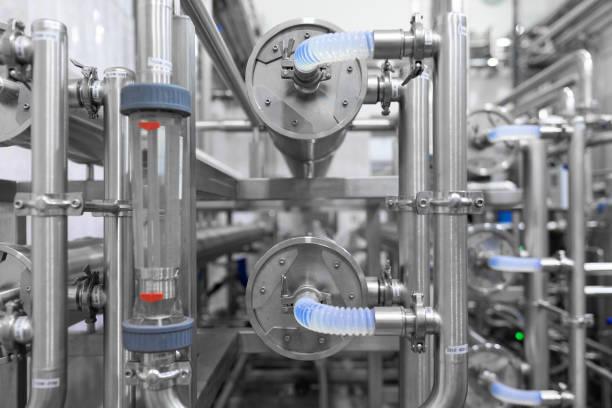
A rotameter is a widely used flow measurement device in industrial applications. It is valued for its simplicity, reliability, and visual indication of flow rate. The rotameter operates on the principle of a float moving within a tapered tube. As the fluid flows upward, the float rises until its weight balances with the drag force of the fluid. The position of the float correlates directly to the flow rate. The materials used in constructing a rotameter significantly impact its accuracy, durability, and chemical compatibility. Understanding these materials is essential for selecting the right rotameter for specific industrial applications. This article provides a detailed overview of the common materials used in rotameter construction, their properties, and their suitability for different fluids and environments.
The Role of Materials in Rotameter Construction
Importance of Material Selection
The choice of materials affects the performance of a rotameter in multiple ways. The tube, float, and housing must resist corrosion, abrasion, and chemical attack from the process fluid. The materials also influence the mechanical strength of the device. High-temperature or high-pressure applications require materials with excellent thermal and mechanical stability. Material compatibility ensures that the rotameter maintains accurate readings over its service life. Improper material selection can lead to wear, leaks, or even catastrophic failure.
Factors Influencing Material Choice
Several factors determine the appropriate material for a rotameter. Chemical compatibility with the fluid is critical. Corrosive fluids require highly resistant materials. Abrasive fluids demand wear-resistant components. Temperature and pressure also play a role. High-temperature fluids may damage plastic or low-melting-point metals. Pressure fluctuations can affect thin-walled tubes. Additionally, visibility is important for manual readings. Transparent materials allow operators to monitor float position clearly. Cost and availability are practical considerations as well. A balance between performance and cost often guides material selection.
Materials Used for Rotameter Tubes
Borosilicate Glass
Borosilicate glass is one of the most common materials for rotameter tubes. It is transparent, allowing easy visual reading of the float. Borosilicate glass is resistant to thermal shock, which makes it suitable for hot fluids. It is also chemically resistant to many acids, bases, and solvents. However, it is brittle and can break under mechanical stress or impact. In industrial installations, glass tubes are often protected by metal or plastic guards. Borosilicate glass remains the preferred choice for applications requiring chemical compatibility and visibility.
Acrylic and Polycarbonate
Plastic tubes made from acrylic or polycarbonate are also common. These materials offer good transparency and impact resistance. They are lighter than glass and less prone to breakage. Acrylic provides excellent optical clarity, while polycarbonate is stronger and more resistant to cracking. Plastic tubes are suitable for low-to-moderate temperature applications. They are also resistant to some chemicals, though they may be attacked by certain solvents. Plastics are often chosen for portable or hand-held rotameters, or where mechanical robustness is more critical than extreme chemical resistance.
Metal Tubes
Metal tubes, such as stainless steel or aluminum, are used in industrial rotameters where glass or plastic is unsuitable. Metal tubes are opaque, so visual readings require an external scale or indicator system. Metals are highly resistant to high pressure and mechanical impact. Stainless steel, in particular, offers excellent corrosion resistance. Metal tubes are suitable for high-temperature, high-pressure, or abrasive fluid applications. They are also preferred in hazardous or high-vibration environments where glass could fail.
Materials Used for Rotameter Floats
Stainless Steel
Stainless steel floats are widely used due to their mechanical strength and chemical resistance. They perform well in most aqueous solutions, oils, and gases. Stainless steel resists corrosion and maintains its weight and shape over time. It is suitable for high-temperature and high-pressure applications. The density of stainless steel can be adjusted by selecting the appropriate grade. This allows precise calibration of the rotameter for different fluids.
Aluminum and Other Light Metals
Floats can also be made from aluminum or other lightweight metals. These materials are less dense than steel and may be selected for low-flow applications. Aluminum floats are resistant to some chemicals but can corrode in acidic or alkaline fluids. They are less expensive than stainless steel and are often used in general-purpose rotameters where extreme durability is not required.
Plastic Floats
Plastic floats made from materials like PTFE, polypropylene, or polyamide are used when chemical resistance is critical. PTFE floats are highly resistant to acids, bases, and aggressive solvents. They are lightweight and non-magnetic. Plastic floats are suitable for corrosive and low-viscosity fluids. However, they are not as robust under high temperature or high-pressure conditions. They may deform or wear faster than metal floats.
Specialized Materials
For specialized applications, floats may be made from ceramic or tungsten carbide. These materials offer extreme wear resistance and can handle abrasive or high-temperature fluids. Ceramic floats are brittle but highly resistant to chemical attack. Tungsten carbide floats are very dense and durable, suitable for high-velocity and abrasive fluids. These materials are expensive and typically reserved for demanding industrial environments.
Materials for Rotameter Housing and Fittings
Stainless Steel and Aluminum Housings
The housing protects the tube and provides structural support. Stainless steel housings resist corrosion and mechanical stress. Aluminum housings are lightweight and easier to machine. Both metals are common in industrial rotameters. Housing materials must be compatible with the tube and the process fluid. Proper housing ensures alignment of the tube and float. It also allows for secure mounting in piping systems.
Plastic Housings
Plastic housings are used in less demanding environments. They provide chemical resistance and reduce cost. They are suitable for low-pressure applications or where corrosion is a concern. Plastics also reduce the weight of the assembly, making installation easier. Transparent plastic housings may replace glass tubes entirely in certain designs, allowing full visibility of the float.
Conclusion
The construction materials of a rotameter play a crucial role in its performance and reliability. Tubes may be made from borosilicate glass, acrylic, polycarbonate, or metals, depending on visibility, chemical resistance, and mechanical strength requirements. Floats may be stainless steel, aluminum, plastics, or specialized materials like ceramic and tungsten carbide. Housing and fittings complement the tube and float materials, providing support and protection. Proper material selection ensures accurate flow measurement, long service life, and safe operation in industrial environments. Understanding these materials allows engineers and operators to choose the right rotameter for each application, balancing durability, chemical compatibility, and cost while maintaining precise measurements.
 Turkish
 English
 Arabic
 French
 Spanish
 Portuguese
 Deutsch
 Dutch
Dutch
 Italiano
 Russian
 Romaian
 Portuguese (Brazil)
 Greek
Greek