


Aluminum vs Other Camping Cookware Materials for Outdoors
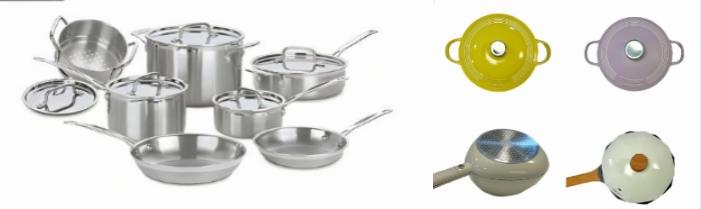
When packing for a camping trip, choosing the right cookware material can make or break your outdoor cooking experience. Aluminum is a popular pick, but how does it stack up against other common options like stainless steel, cast iron, and titanium? Below’s a side-by-side comparison focusing on the traits that matter most for camping: weight, heat conductivity, durability, and usability.
1. Aluminum vs Stainless Steel: Lightness vs Long-Term Toughness
Stainless steel is a staple in home kitchens, but its performance outdoors differs sharply from aluminum.
- Weight: Aluminum wins hands down—aluminum cookware is 30–50% lighter than stainless steel. A 10-inch aluminum frying pan weighs around 1–1.5 pounds, while a stainless steel one of the same size can hit 2–3 pounds. For backpackers counting every ounce, this difference adds up fast.
- Heat Conductivity: Aluminum also outperforms stainless steel here. It distributes heat quickly and evenly, preventing hot spots that burn food—critical for cooking over campfires or portable stoves. Most stainless steel camping cookware adds an aluminum core to boost conductivity, but it still doesn’t match pure aluminum’s efficiency.
- Durability: Stainless steel fights rust and scratches better than aluminum. Uncoated aluminum can dent easily, and acidic foods (like tomato soup) may cause minor leaching (fixed with hard-anodized aluminum). Stainless steel, though heavier, lasts longer with rough outdoor use.
2. Aluminum vs Cast Iron: Convenience vs Heat Retention
Cast iron is beloved for its heat retention, but it’s a polar opposite to aluminum for camping.
- Weight: Cast iron is extremely heavy—a 10-inch cast iron skillet weighs 4–5 pounds, making it impractical for backpacking. Aluminum, by contrast, is light enough to carry in a daypack.
- Heat Performance: Cast iron holds heat like no other, which is great for searing steaks or keeping chili warm. But it heats slowly and unevenly, requiring more time to adjust over a campfire. Aluminum heats fast and evenly, ideal for quick meals like pancakes or instant noodles when you’re hungry after a hike.
- Usability: Cast iron needs seasoning (coating with oil to prevent rust) and careful drying—extra work at the campsite. Aluminum is low-maintenance: just wipe clean (hard-anodized versions are even dishwasher-safe, though hand-washing is better outdoors).
3. Aluminum vs Titanium: Affordability vs Premium Lightness
Titanium is the “luxury” camping cookware material, but it competes with aluminum for portability.
- Weight: Titanium is slightly lighter than aluminum (a 10-inch titanium pan weighs ~0.8–1 pound), but the difference is minimal for most campers. For ultralight backpackers chasing every gram, titanium edges out aluminum—but it comes with a steep price tag.
- Cost: Aluminum is far more affordable. A basic aluminum camping cookware set costs 30-60, while a titanium set can run 150-300. For casual campers, aluminum offers better value.
- Durability & Safety: Titanium is scratch-resistant and non-reactive (no leaching, even with acidic foods), just like stainless steel. Aluminum (especially hard-anodized) is safe too, but it’s more prone to dents. Both work well with camp stoves, but titanium handles higher heat without warping.
Final Takeaway: Which Is Best for You?
- Choose Aluminum If: You’re a casual camper or backpacker wanting a lightweight, affordable, and easy-to-use option. Hard-anodized aluminum balances durability and performance, making it the most versatile pick for most outdoor trips.
- Choose Stainless Steel If: You prioritize long-term durability (e.g., car camping with kids) and don’t mind the extra weight.
- Choose Cast Iron If: You’re car camping and want to cook hearty meals (like seared meats) over a campfire.
- Choose Titanium If: You’re an ultralight backpacker willing to pay more for minimal weight and premium durability.
For most campers, aluminum hits the sweet spot between weight, performance, and cost—making it the go-to material for outdoor cooking.
© 2026 Scenario.press - libera espressione
 Italiano
Italiano
 English
 Arabic
 French
 Spanish
 Portuguese
 Deutsch
 Turkish
 Dutch
Dutch
 Russian
 Romaian
 Portuguese (Brazil)
 Greek
Greek