


Key Advantages and Disadvantages of PMDC and Brushless Motors in Modern Applications
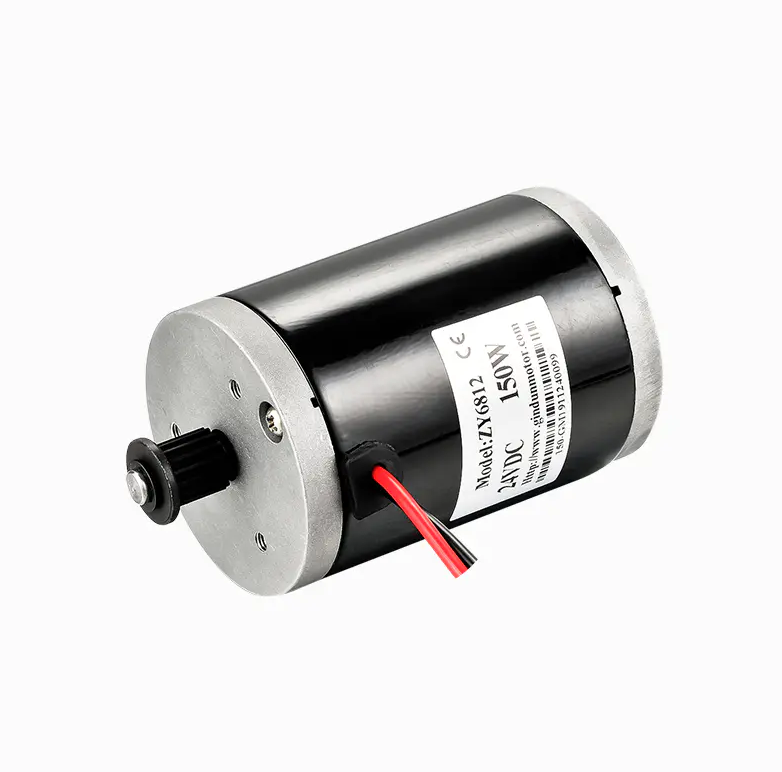
When comparing a Permanent Magnet DC Motor with a brushless DC motor, the discussion naturally revolves around design simplicity, efficiency, cost, and maintenance. Each motor type has its place in the broader spectrum of electrical applications, from household appliances to robotics and industrial automation. The Permanent Magnet DC Motor is known for its straightforward structure, which includes brushes and a commutator that deliver current to the rotating armature. This design leads to ease of control and immediate torque response, especially at low speeds, making it ideal for systems where quick start-stop action and simple circuitry are preferred. However, the very elements that make it simple—namely, the brushes and mechanical commutation—also introduce wear and tear, making it prone to more frequent maintenance, particularly in high-speed or continuous-duty applications.
On the other hand, brushless DC motors operate with electronic commutation, removing the need for brushes and significantly reducing mechanical friction. This design shift not only minimizes maintenance requirements but also extends the motor’s operational life, making it a favorable choice for long-term or heavy-duty uses. Additionally, brushless motors are typically more energy efficient, especially at higher speeds, and generate less electrical noise, which benefits sensitive applications such as precision instruments or medical equipment. Their heat dissipation is also generally better because the windings are on the stator, which is easier to cool.
Cost is another major point of comparison. A Permanent Magnet DC Motor usually comes at a lower initial price, which makes it attractive for budget-conscious projects or simpler devices like toys, small pumps, or fans. The electronics required to control a brushless motor are more complex and costly, especially if precision control or variable speeds are required. In contrast, a PMDC motor can often be operated with just a basic on-off switch or a simple controller. That said, the longer lifespan and reduced maintenance needs of brushless motors may offset the upfront cost over time.
In terms of performance, brushless motors often provide more consistent torque and can be more easily integrated with feedback systems for closed-loop control. They tend to be quieter and smoother during operation due to the absence of brush friction. PMDC motors, while capable of high torque at low speeds, may suffer from torque ripple and electrical noise due to the switching of brushes, which can limit their suitability in noise-sensitive environments.
Size and weight are generally similar for motors of comparable power ratings, but brushless motors may be more compact in advanced designs due to higher efficiency and integrated control electronics. However, the need for complex control logic can add bulk depending on the application. From a user’s perspective, the main trade-off comes down to simplicity and cost versus efficiency and longevity.
In conclusion, the Permanent Magnet DC Motor offers simplicity, low cost, and effective torque at low speeds but requires more maintenance due to mechanical wear. Brushless DC motors, by contrast, provide higher efficiency, quieter operation, and longer service life at the expense of greater upfront cost and complexity. The choice between them ultimately depends on the specific requirements of the application, such as budget, expected usage duration, and performance criteria.
Product Performance:
1. Rated Voltage: The motor operates on a 24V DC power supply, making it ideal for applications that require a lower voltage input.
2. Power Output: With a power rating of 500W, this motor delivers a substantial amount of power, ensuring efficient operation in demanding applications.
3. Speed Range: The motor offers a wide speed range, allowing for flexibility in speed adjustment as per the specific application requirements.
4. Torque: The motor provides high torque, enabling it to handle heavy loads and maintain stable performance even in challenging conditions.
5. Noise and Vibration: The motor is designed to operate with minimal noise and vibration, ensuring a smooth and quiet operation.
 Italiano
 English
 Arabic
 French
 Spanish
 Portuguese
 Deutsch
 Turkish
 Dutch
Dutch
 Russian
 Romaian
 Portuguese (Brazil)
 Greek
Greek