


How Heavy Equipment Tire Chains Become Tire Armor?
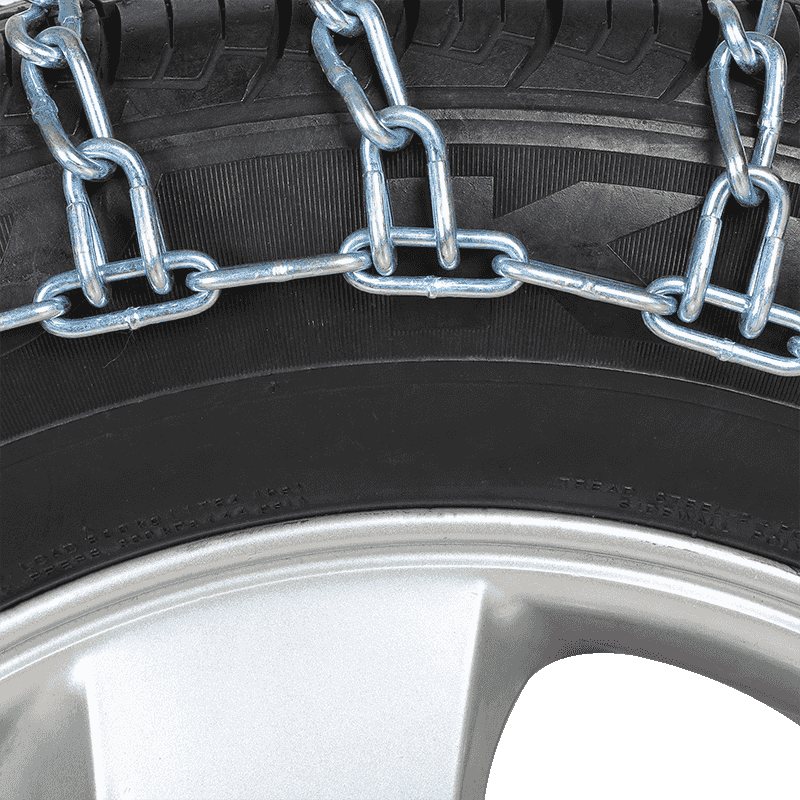
Every heavy equipment operator knows the sting: a massive tire bill landing after preventable wear or a catastrophic puncture. On unforgiving terrain like rock quarries, demolition sites, or slag piles, your tires face relentless assault. Heavy Equipment Tire Chains offer far more than just traction; they are essential armor, actively safeguarding your most vulnerable and expensive assets – your tires.
The primary protective power of Heavy Equipment Tire Chains lies in creating a durable barrier. On highly abrasive surfaces – jagged rock roads, sharp slag heaps, or rough construction debris – the hardened alloy steel cross-chains and lugs take the direct brunt of the punishment. Instead of your expensive tire compound grinding away, the chains bear the scraping and scouring. This drastic reduction in direct rubber-to-ground contact significantly minimizes tread wear, directly translating into extended tire life and substantial cost savings over time.
Beyond mere abrasion, hazardous terrain hides puncture threats. Sharp rocks, exposed rebar, and metal fragments pose constant risks. Here, Heavy Equipment Tire Chains act like a layer of body armor. Their robust steel construction provides critical resistance against punctures and deep cuts. While not 100% impenetrable, they dramatically lower the probability of sudden, costly tire failures that can halt operations instantly. The chains absorb impacts and deflect sharp objects that would otherwise slice into the tire carcass.
Furthermore, the structure of Heavy Equipment Tire Chains plays a vital role in pressure distribution. Heavy machinery concentrates immense weight on a limited tire footprint. Chains help spread this load more evenly across the tire's contact patch. By reducing localized stress points and minimizing excessive tire flexing on uneven ground, chains combat sidewall damage and irregular wear patterns. This more uniform weight distribution contributes to overall tire integrity and longevity.
Investing in Heavy Equipment Tire Chains is a proactive strategy for tire management. The cost of quality chains pales in comparison to replacing giant OTR tires prematurely due to accelerated wear or a single devastating puncture. They transform from traction aids into indispensable protective gear, shielding your tires from the ground up. Don't just move your machine; armor it. Protect your bottom line by letting the chains take the beating, not your tires.
 Spanish
 English
 Arabic
 French
 Portuguese
 Deutsch
 Turkish
 Dutch
Dutch
 Italiano
 Russian
 Romaian
 Portuguese (Brazil)
 Greek
Greek