


How Raised Garden Beds Manufacturers Use Liners to Protect Soil and Structural Materials
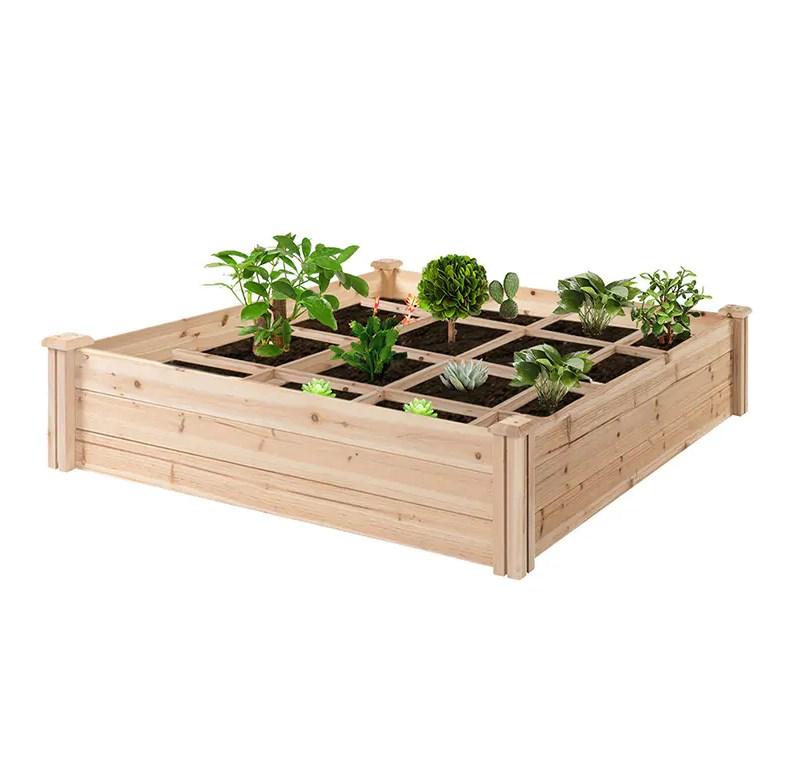
The use of liners—whether waterproof fabrics or anti-corrosion membranes—has become an increasingly important subject in the design and production of raised garden beds. While gardeners have long debated the necessity of lining their garden beds, it is now clear that Raised Garden Beds Manufacturers also play a crucial role in this decision. As raised garden beds become more popular across urban and suburban gardening landscapes, questions about durability, moisture control, and long-term performance have made liners a critical component for discussion. So, do Raised Garden Beds Manufacturers need to include or recommend waterproof liners or anti-corrosion membranes? The answer lies in understanding both the functional benefits and the material-specific vulnerabilities of raised bed structures.
First, consider the impact of moisture on the structural materials commonly used by Raised Garden Bed manufacturers. Wood, for example, is widely appreciated for its natural look and affordability. However, untreated or inadequately protected wood is highly susceptible to rot, mold, and decay when in constant contact with damp soil. Even rot-resistant woods like cedar or redwood, while more durable, will eventually degrade over time without some barrier between the soil and the wood. In such cases, a waterproof liner significantly extends the usable life of the garden bed. By separating soil moisture from direct contact with wooden panels, the liner reduces the likelihood of microbial decay, warping, and structural breakdown.
For manufacturers that use metal, such as galvanized steel or aluminum, corrosion remains a long-term threat, particularly in climates with high humidity or where certain soil amendments (such as compost teas or acidic fertilizers) can accelerate metal degradation. In these cases, anti-corrosion membranes or liners act as a protective barrier, preventing direct contact between soil and metal surfaces. While some high-end metals offer inherent corrosion resistance, adding a liner is still a cost-effective strategy to reduce maintenance requirements and offer longer warranties—something many quality-conscious Raised Garden Beds Manufacturers have begun to implement.
Plastic or composite-raised beds, on the other hand, are more moisture-tolerant but not immune to UV degradation, leaching concerns, or microfractures over time. Liners in these contexts are used not for structural protection but for soil management—retaining finer particles, assisting in drainage control, and reducing nutrient runoff. In this way, liners become a multipurpose solution that can benefit nearly every type of raised bed, regardless of material composition.
Another reason why Raised Garden Beds Manufacturers should consider including or recommending liners is consumer demand. Many home gardeners—especially beginners—seek all-in-one solutions that require minimal setup and maintenance. When a raised bed arrives with a custom-fitted liner or includes guidance on what type of liner to use, it increases customer satisfaction, reduces product returns, and elevates brand trust. Manufacturers that proactively address common gardening issues, such as water retention or structural decay, position themselves as premium providers in a competitive market.
There’s also an environmental angle to consider. Modern waterproof and anti-corrosion liners are often made from recycled or food-safe materials, aligning with the eco-conscious values of many gardeners. Some Raised Garden bed manufacturers have begun offering biodegradable liners or options made from natural fibers like jute or hemp. These not only fulfill the practical need for separation but also appeal to environmentally aware customers looking for sustainable gardening solutions.
In summary, while the use of waterproof fabric or anti-corrosion membranes may not be strictly mandatory for every type of raised bed, they provide undeniable benefits across a wide spectrum of materials and usage conditions. Forward-thinking Raised Garden Beds Manufacturers recognize that including or recommending high-quality liners adds significant value, enhancing durability, supporting soil health, reducing maintenance, and improving customer experience. As the gardening market continues to evolve, manufacturers that integrate such thoughtful features into their product designs are more likely to earn lasting loyalty and remain at the forefront of innovation in the raised bed industry.
 French
 English
 Arabic
 Spanish
 Portuguese
 Deutsch
 Turkish
 Dutch
Dutch
 Italiano
 Russian
 Romaian
 Portuguese (Brazil)
 Greek
Greek