


-
29 Posts
-
1 Photos
-
0 Videos
-
Male
-
15/08/1991
-
Followed by 0 people
© 2026 Scenario.press - libera espressione
English
Recent Updates
-
Quality Standards: Meeting API Specifications with Your Waste Oil Recycling Plant OutputIn the waste oil recycling industry, your product is only worth the paper its specification sheet is printed on. If you cannot guarantee your output meets industry standards—specifically those set by the American Petroleum Institute (API)—your market is limited to low-paying burners and speculative traders. Achieving and maintaining API specifications isn't just about bragging...0 Comments 0 Shares 132 ViewsPlease log in to like, share and comment!
-
Reducing Flaring: Environmental Goals in Modern Petroleum RefiningFor decades, the sight of a flare stack burning bright against the night sky was a symbol of industrial activity. Today, that same flame is viewed as a symbol of waste and environmental negligence. In the modern petroleum refinery, the pressure to reduce flaring has shifted from a mere operational efficiency metric to a core component of corporate climate strategy. The World Bank’s "Zero...0 Comments 0 Shares 85 Views
-
Energy Optimization Strategies for Base Oil Solvent Extraction PlantsIn the competitive landscape of base oil production, solvent extraction remains a critical purification step to remove undesirable aromatic compounds and improve product quality. However, this process is inherently energy-intensive. Implementing strategic energy optimization not only reduces operational costs and environmental footprint but also enhances overall plant reliability and...0 Comments 0 Shares 316 Views
-
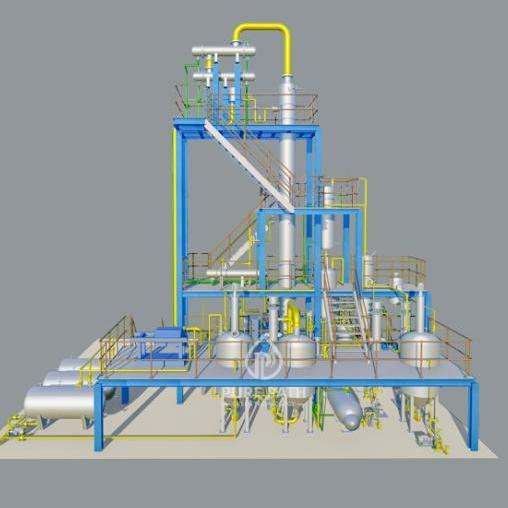
Transforming used motor oil and industrial lubricants into high-quality base oil is an environmentally commendable process, but it comes with a unique set of safety challenges. The incoming waste feedstock is inherently variable and can contain contaminants, volatile components, and unknown additives. The core processes—such as high-temperature distillation, hydrogen treatment under pressure, and chemical handling—involve significant energy, flammable materials, and potential exposure risks. Recognizing these inherent hazards, from fire and explosion risks to toxic exposures and high-pressure equipment dangers, is the essential first step in building a robust safety culture within a re-refining plant.
https://www.purepathtech.com/waste-oil-to-base-oil-plantTransforming used motor oil and industrial lubricants into high-quality base oil is an environmentally commendable process, but it comes with a unique set of safety challenges. The incoming waste feedstock is inherently variable and can contain contaminants, volatile components, and unknown additives. The core processes—such as high-temperature distillation, hydrogen treatment under pressure, and chemical handling—involve significant energy, flammable materials, and potential exposure risks. Recognizing these inherent hazards, from fire and explosion risks to toxic exposures and high-pressure equipment dangers, is the essential first step in building a robust safety culture within a re-refining plant. https://www.purepathtech.com/waste-oil-to-base-oil-plant0 Comments 0 Shares 452 Views -
Key Equipment Used in White Spirit Production PlantsProducing high-quality white spirit requires a combination of distillation, catalytic treatment, and precise process control. The equipment used in these plants is specially designed to handle flammable hydrocarbons while maintaining operational safety and efficiency. Distillation Columns Distillation columns, particularly fractionating columns, are the backbone of white spirit...0 Comments 0 Shares 421 Views
-
Profitability of a Base Oil Solvent Extraction Plant in 2026The base oil market is poised for strategic growth in 2026, driven by increasing demand for high-performance lubricants in automotive and industrial sectors. Solvent extraction plants, which produce high-quality base oils, are a significant part of this market. Understanding the profitability of these plants requires analyzing feedstock costs, operational efficiency, market prices, and emerging...0 Comments 0 Shares 444 Views
-
A Guide to Raw Material Selection for Efficient Base Oil Solvent ExtractionWhen it comes to producing high-quality Group I base oils, the solvent extraction process is a workhorse, removing unwanted aromatics and impurities to improve viscosity index, oxidation stability, and color. However, even the most advanced extraction plant cannot turn poor feedstock into premium base oil. The journey to efficiency begins long before the solvent is introduced—it...0 Comments 0 Shares 551 Views
-
How Crude Oil Price Swings Dictate the Fate of Petrochemical RefineriesThe price of Brent or WTI crude oil isn’t just a number on a financial news ticker; it’s the dominant heartbeat of the global energy and chemicals industry. For petrochemical refineries, which sit at the crucial junction between raw crude and valuable finished products, these constant price fluctuations create a complex, high-stakes environment where margins can expand or evaporate...0 Comments 0 Shares 653 Views
-
Refractory Materials Used in Petrochemical Fired HeatersPetrochemical fired heaters (or furnaces) are the workhorses of refineries and chemical plants, providing the intense heat required for processes like cracking, reforming, and heating. While the radiant and convection tubes carry the process fluid, it is the refractory lining that contains the high-temperature flame and gases, protects the steel structure, and maximizes thermal efficiency....0 Comments 0 Shares 783 Views
-
How to Scale a Used Oil Collection and Recycling BusinessSo, your used oil collection and recycling business is running smoothly. You have a solid customer base, your logistics are efficient, and you're turning a profit. Now, you're thinking bigger. How do you transform a successful local operation into a dominant regional player or even a national presence? Scaling isn't just about working harder; it's about working smarter and making...0 Comments 0 Shares 1K Views
More Stories