• How Geofencing Is Transforming Event Marketing and Lead Generation

    In the age of data-driven marketing, traditional event strategies no longer deliver the level of insight or ROI that B2B teams demand. Today’s marketers must reach prospects where they are — not after the event, but during the event — to capture interest and convert it into pipeline. That’s where geofencing comes in.

    Geofencing is a location-based marketing technology that enables brands to create virtual boundaries around physical spaces like conference centers, trade show halls, hotels, or even competitor booths. When a device enters or exits these geofenced zones, marketers can trigger targeted messaging, track engagement, and uncover valuable behavioral insights — all in real time.
    What Makes Geofencing So Effective for Events?

    1. Real-Time Engagement With High-Intent
    Audiences

    At B2B events, attendees are already in a mindset of discovery and evaluation. Traditional tactics like brochures and badge scans capture interest after a conversation, but geofencing lets you reach prospects in the moment — even if they never visit your booth. Marketers can serve personalized ads, notifications, or offers to devices present within the venue, increasing the chances of meaningful engagement.

    2. Precision Targeting Beyond the Booth

    Not all event attendees are created equal. With geofencing, you can segment audiences based on precise zones attendees traverse: keynote halls, networking lounges, partner areas, and competitor spaces. This allows you to tailor messaging based on real physical behavior — for example, prospects who spend time near competitor exhibits can receive competitive comparison content or invitations to stop by your session.


    3. Enhanced Lead Capture and Attribution

    Traditional event metrics like badge scans and business card drops give limited insight into attendee behavior. Geofencing adds a deeper layer of tracking: how long attendees stay in certain areas, how many times they pass by your exhibit, and which zones correlate with higher conversion signals. This data enriches your lead profiles and improves post-event follow-up.
    Before, During, and After: The Full Geofencing Event Lifecycle

    Before the Event:

    Geofencing lets you build pre-event momentum by targeting audiences likely to attend based on past behavior or intent signals. Serve tailored content in advance to increase booth visits or session attendance.

    During the Event:

    Once the geofence is live, deliver real-time messaging that aligns with event behavior — from session reminders to exclusive offers, meeting invitations, and content downloads. This real-time relevance makes every touchpoint more impactful.

    After the Event:

    Even after attendees leave the venue, geofencing campaigns continue to pay dividends. Attendees who interacted with your messaging can be retargeted across digital channels, nudging them further down the funnel with relevant follow-ups and nurturing sequences.

    Measuring Impact: From Foot Traffic to Pipeline
    One of the biggest advantages of geofencing is improved visibility into the full lead lifecycle. Instead of counting only booth stops or form fills, marketers can now measure:

    • Impressions and engagement within the geofence
    • Behavior-driven segmentation of high-intent attendees
    • Geofence-influenced conversions
    • Post-event retargeting performance

    These insights enable teams to connect event activity directly to pipeline outcomes — a key shift from traditional event reporting models.

    Conclusion

    Geofencing isn’t just another event marketing tactic — it’s a transformative strategy that turns physical presence into actionable data and meaningful interactions. By enabling real-time engagement, precise targeting, and enhanced lead attribution, geofencing empowers B2B teams to convert event participation into tangible pipeline results.

    Whether you’re attending your first industry trade show or optimizing enterprise-wide event strategies, geofencing is a tool that elevates both how and where you connect with prospects — making every event a smarter investment.

    Read More: https://intentamplify.com/blog/geofencing-at-events-a-smarter-way-to-capture-and-convert-leads/


    How Geofencing Is Transforming Event Marketing and Lead Generation In the age of data-driven marketing, traditional event strategies no longer deliver the level of insight or ROI that B2B teams demand. Today’s marketers must reach prospects where they are — not after the event, but during the event — to capture interest and convert it into pipeline. That’s where geofencing comes in. Geofencing is a location-based marketing technology that enables brands to create virtual boundaries around physical spaces like conference centers, trade show halls, hotels, or even competitor booths. When a device enters or exits these geofenced zones, marketers can trigger targeted messaging, track engagement, and uncover valuable behavioral insights — all in real time. What Makes Geofencing So Effective for Events? 1. Real-Time Engagement With High-Intent Audiences At B2B events, attendees are already in a mindset of discovery and evaluation. Traditional tactics like brochures and badge scans capture interest after a conversation, but geofencing lets you reach prospects in the moment — even if they never visit your booth. Marketers can serve personalized ads, notifications, or offers to devices present within the venue, increasing the chances of meaningful engagement. 2. Precision Targeting Beyond the Booth Not all event attendees are created equal. With geofencing, you can segment audiences based on precise zones attendees traverse: keynote halls, networking lounges, partner areas, and competitor spaces. This allows you to tailor messaging based on real physical behavior — for example, prospects who spend time near competitor exhibits can receive competitive comparison content or invitations to stop by your session. 3. Enhanced Lead Capture and Attribution Traditional event metrics like badge scans and business card drops give limited insight into attendee behavior. Geofencing adds a deeper layer of tracking: how long attendees stay in certain areas, how many times they pass by your exhibit, and which zones correlate with higher conversion signals. This data enriches your lead profiles and improves post-event follow-up. Before, During, and After: The Full Geofencing Event Lifecycle Before the Event: Geofencing lets you build pre-event momentum by targeting audiences likely to attend based on past behavior or intent signals. Serve tailored content in advance to increase booth visits or session attendance. During the Event: Once the geofence is live, deliver real-time messaging that aligns with event behavior — from session reminders to exclusive offers, meeting invitations, and content downloads. This real-time relevance makes every touchpoint more impactful. After the Event: Even after attendees leave the venue, geofencing campaigns continue to pay dividends. Attendees who interacted with your messaging can be retargeted across digital channels, nudging them further down the funnel with relevant follow-ups and nurturing sequences. Measuring Impact: From Foot Traffic to Pipeline One of the biggest advantages of geofencing is improved visibility into the full lead lifecycle. Instead of counting only booth stops or form fills, marketers can now measure: • Impressions and engagement within the geofence • Behavior-driven segmentation of high-intent attendees • Geofence-influenced conversions • Post-event retargeting performance These insights enable teams to connect event activity directly to pipeline outcomes — a key shift from traditional event reporting models. Conclusion Geofencing isn’t just another event marketing tactic — it’s a transformative strategy that turns physical presence into actionable data and meaningful interactions. By enabling real-time engagement, precise targeting, and enhanced lead attribution, geofencing empowers B2B teams to convert event participation into tangible pipeline results. Whether you’re attending your first industry trade show or optimizing enterprise-wide event strategies, geofencing is a tool that elevates both how and where you connect with prospects — making every event a smarter investment. Read More: https://intentamplify.com/blog/geofencing-at-events-a-smarter-way-to-capture-and-convert-leads/
    0 Комментарии 0 Поделились 1Кб Просмотры
  • Global Energy Harvesting System Market Prominent Drivers, Segmentation, Growth Rate, Overview & Future Prospects 2025-2034
    https://www.zionmarketresearch.com/report/energy-harvesting-system-market
    Global Energy Harvesting System Market Prominent Drivers, Segmentation, Growth Rate, Overview & Future Prospects 2025-2034 https://www.zionmarketresearch.com/report/energy-harvesting-system-market
    WWW.ZIONMARKETRESEARCH.COM
    Energy Harvesting System Market Size, Share and Forecast 2032
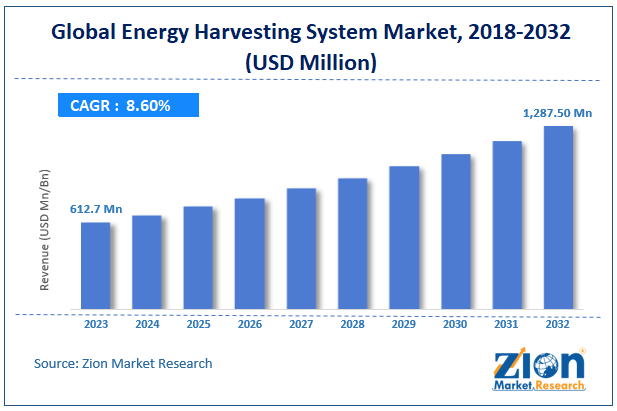
    Energy Harvesting System Market was valued at $612.7 Mn in 2023, and is projected to reach $USD 1,287.50 Mn by 2032, at a CAGR of 8.60% from 2023 to 2032.
    0 Комментарии 0 Поделились 363 Просмотры
  • The Future of Location-Based Marketing in B2B: What Marketers Must Prepare For

    In an increasingly digital and data-driven world, location-based marketing is no longer just a consumer-focused tactic reserved for retail or mobile apps. B2B marketers are now recognizing the strategic value of location intelligence to reach high-value accounts, enhance personalization, and drive revenue growth. As we look to the future, location-based marketing in B2B is poised to evolve rapidly — and marketers must prepare to adapt. Here’s what’s coming next and how B2B teams can stay ahead.

    Why Location-Based Marketing Matters in B2B

    At its core, location-based marketing leverages geographic data to deliver relevant messaging or insights based on where a target audience is — whether that’s a specific company headquarters, an industrial park, or attendees at a trade show. For B2B marketers, this intelligence provides a competitive edge by allowing them to prioritize outreach based on physical context, optimize field sales efforts, and tailor content to localized pain points.

    Traditionally, location-based strategies in B2B have focused on event targeting, trade show geofencing, and market segmentation by region. But as technology advances and data becomes richer and more precise, the applications are expanding.

    1. More Precise Geofencing and Hyperlocal Targeting

    In the next few years, B2B marketers will leverage increasingly precise geofencing capabilities powered by AI and improved location data sources. Rather than broad targeting around a city or region, marketers will be able to zero in on specific corporate campuses, office floors, or even particular business units.

    This hyperlocal precision will enable more relevant outreach. For example, a software vendor could target decision-makers on the day of a major industry conference, delivering tailored ads tied directly to the event — a strategy that boosts engagement and shortens sales cycles.

    2. Integrating Location With Intent and Engagement Data

    Location data will begin to play a more integrated role in account insights and intent models. Today, many B2B platforms incorporate online behaviors — such as content downloads or search patterns — as signals of intent. Tomorrow, physical behaviors like repeated visits to certain business districts or attendance at industry events could become key intent indicators.

    Imagine combining CRM engagement metrics with anonymous location signals to determine which accounts are actively researching solutions at trade shows or competitive venues. This enriched insight gives sales and marketing teams a more holistic view of where accounts are in the buyer journey.

    3. Location-Based Personalization at Scale

    Personalization has been a longstanding priority for B2B marketers, but most personalization efforts today focus on digital behavior. What’s emerging is the ability to personalize content and messaging based on physical context. Location-aware content may adapt not just to industry or persona, but to where a prospect is located — such as custom messaging for prospects at industry hubs, near field sales offices, or within key markets exhibiting strong growth.
    This shift will require content strategies that incorporate localized themes and value propositions tied to specific regions or business ecosystems.

    4. Ethical and Privacy-Centric Practices

    With the growing use of precise location data comes heightened concerns around privacy and compliance. Regulations like GDPR and CCPA have already shaped how marketers manage personal data, but location tracking introduces new sensitivities.
    B2B marketers must adopt transparent data practices, obtain appropriate consent, and prioritize first-party data collection. Investing in privacy-centric location technologies that anonymize data and respect user preferences will build trust and mitigate legal risks.

    Preparing for What’s Next

    To succeed in the future of location-based marketing, B2B marketers should:
    • Invest in advanced location intelligence tools that integrate with CRM and marketing automation platforms.
    • Experiment with event-based geofencing to capture high-intent buyers in real-world environments.
    • Enhance personalization strategies with localized messaging and contextual relevance.
    • Prioritize ethical data practices to maintain compliance and customer trust.

    Location-based marketing in B2B is evolving from a tactical add-on to a strategic differentiator. Marketers who embrace this shift today will be better positioned to connect with buyers in meaningful, contextually relevant ways — driving stronger engagement and faster wins in the years ahead.

    Read More: https://intentamplify.com/blog/types-of-location-based-marketing-a-complete-guide-for-b2b-marketers/


    The Future of Location-Based Marketing in B2B: What Marketers Must Prepare For In an increasingly digital and data-driven world, location-based marketing is no longer just a consumer-focused tactic reserved for retail or mobile apps. B2B marketers are now recognizing the strategic value of location intelligence to reach high-value accounts, enhance personalization, and drive revenue growth. As we look to the future, location-based marketing in B2B is poised to evolve rapidly — and marketers must prepare to adapt. Here’s what’s coming next and how B2B teams can stay ahead. Why Location-Based Marketing Matters in B2B At its core, location-based marketing leverages geographic data to deliver relevant messaging or insights based on where a target audience is — whether that’s a specific company headquarters, an industrial park, or attendees at a trade show. For B2B marketers, this intelligence provides a competitive edge by allowing them to prioritize outreach based on physical context, optimize field sales efforts, and tailor content to localized pain points. Traditionally, location-based strategies in B2B have focused on event targeting, trade show geofencing, and market segmentation by region. But as technology advances and data becomes richer and more precise, the applications are expanding. 1. More Precise Geofencing and Hyperlocal Targeting In the next few years, B2B marketers will leverage increasingly precise geofencing capabilities powered by AI and improved location data sources. Rather than broad targeting around a city or region, marketers will be able to zero in on specific corporate campuses, office floors, or even particular business units. This hyperlocal precision will enable more relevant outreach. For example, a software vendor could target decision-makers on the day of a major industry conference, delivering tailored ads tied directly to the event — a strategy that boosts engagement and shortens sales cycles. 2. Integrating Location With Intent and Engagement Data Location data will begin to play a more integrated role in account insights and intent models. Today, many B2B platforms incorporate online behaviors — such as content downloads or search patterns — as signals of intent. Tomorrow, physical behaviors like repeated visits to certain business districts or attendance at industry events could become key intent indicators. Imagine combining CRM engagement metrics with anonymous location signals to determine which accounts are actively researching solutions at trade shows or competitive venues. This enriched insight gives sales and marketing teams a more holistic view of where accounts are in the buyer journey. 3. Location-Based Personalization at Scale Personalization has been a longstanding priority for B2B marketers, but most personalization efforts today focus on digital behavior. What’s emerging is the ability to personalize content and messaging based on physical context. Location-aware content may adapt not just to industry or persona, but to where a prospect is located — such as custom messaging for prospects at industry hubs, near field sales offices, or within key markets exhibiting strong growth. This shift will require content strategies that incorporate localized themes and value propositions tied to specific regions or business ecosystems. 4. Ethical and Privacy-Centric Practices With the growing use of precise location data comes heightened concerns around privacy and compliance. Regulations like GDPR and CCPA have already shaped how marketers manage personal data, but location tracking introduces new sensitivities. B2B marketers must adopt transparent data practices, obtain appropriate consent, and prioritize first-party data collection. Investing in privacy-centric location technologies that anonymize data and respect user preferences will build trust and mitigate legal risks. Preparing for What’s Next To succeed in the future of location-based marketing, B2B marketers should: • Invest in advanced location intelligence tools that integrate with CRM and marketing automation platforms. • Experiment with event-based geofencing to capture high-intent buyers in real-world environments. • Enhance personalization strategies with localized messaging and contextual relevance. • Prioritize ethical data practices to maintain compliance and customer trust. Location-based marketing in B2B is evolving from a tactical add-on to a strategic differentiator. Marketers who embrace this shift today will be better positioned to connect with buyers in meaningful, contextually relevant ways — driving stronger engagement and faster wins in the years ahead. Read More: https://intentamplify.com/blog/types-of-location-based-marketing-a-complete-guide-for-b2b-marketers/
    0 Комментарии 0 Поделились 1Кб Просмотры
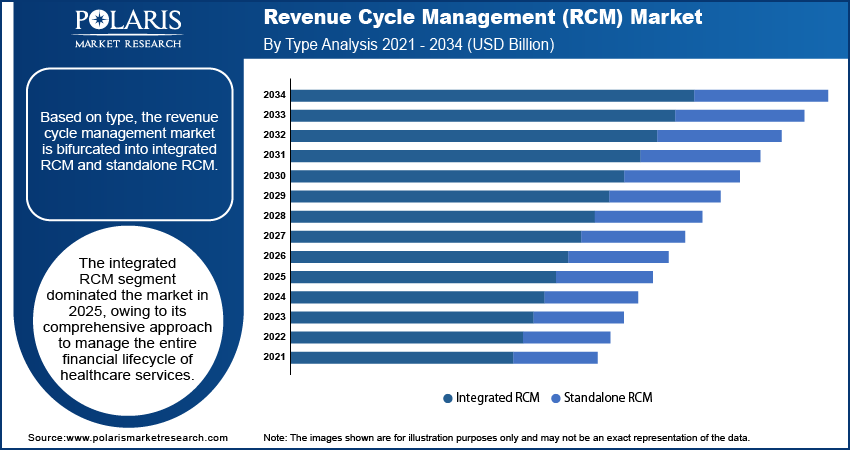
  • Polaris Market Research has introduced a new market research report entitled Revenue Cycle Management (RCM) Market Size, Share, Trends & Industry Analysis Report By Type (Integrated RCM and Standalone RCM), By Function, By Deployment, By Component, By End User, and By Region – Market Forecast, 2026 – 2034, which acts as a reliable resource for analyzing historic and forecast measures, development structure, and key dynamics and their impact. The report is a beneficial result of precise efforts taken by professional forecasters, skilled analysts, and intelligent researchers. Thanks to the in-depth information delivered by this report. Companies will be able to know consumer behavior, their demand and preferences, perspectives on the product, purchasing patterns, and response to individual products that are already available in the Revenue Cycle Management Market.

    The report offers an overview of the market by dealing with various crucial factors, including estimation of Revenue Cycle Management market size, share, product definition, segmentation, share, opportunity analysis, important developments, and the current vendor landscape. Other insights on the market scenario covered by the report are value, growth rate, geographical coverage, detailed and updated price trend analysis, and supply chain and demand analysis. In addition, readers are provided with a comprehensive analysis of key Revenue Cycle Management market trends. The market is segmented on the basis of product, application, and regions.

    The global revenue cycle management (RCM) market was valued at USD 85.2 billion in 2025 and is projected to grow at a CAGR of 11.53% from 2026 to 2034, driven by the increasing need for streamlined healthcare billing processes and the growing adoption of automation across medical administrative operations.

    Key Takeaways from The Study

    In-depth analysis, including information about current market drivers and challenges
    Key segments that are likely to register a healthy growth rate are mentioned.
    An exhaustive study on the expected trends, changing dynamics, and market intelligence
    Detailed analysis of the changing competitive scenario and thorough vendor analysis
    It gives a pinpoint investigation of changing rivalry elements and keeps you in front of contenders.
    Conclusive study about the growth plot of the market for forthcoming years.
    Drivers and Key Trends

    This report covers an overview of remarkable aspects affecting the market growth, including developments, new opportunities, current and emerging trends, and barriers in the market. This information will assist market players in getting ready for any future challenges. They will also be able to identify opportunities in the Revenue Cycle Management market to attain a position of strength. Further, the report presents extensive coverage of the drivers, restraints, limitations, threats, and growth prospects. The assessment of factors expected to positively as well as negatively affect the market will help players to effectively channel their strategies, strengths, and resources to gain maximum advantage in the market.

    Browse Full Insights::

    https://www.polarismarketresearch.com/industry-analysis/revenue-cycle-management-market

    Research Procedure

    The information featured in this report has been thoroughly filtered and tested across multiple industry standards to present dependable data determined by our internal research executives and experts. The report covers all the vital statistics related to the Revenue Cycle Management market, which are furnished via multiple research methodologies and approaches, commencing with primary and secondary research, thus arriving at logical conclusions.

    Competitive Overview

    The competitive force is likely to rise in the near future.

    Looking at the tough competition among small and large players as well as efforts made by them, the market is predicted to see new avenues opening up. The section gives a detailed analysis of important parameters of Revenue Cycle Management market key players, including gross margin, market share, SWOT analysis, current development, future development strategies, product collection, and revenue. Leading players in the market are launching new products, upgrading older products, and integrating newer applications through various product offerings.

    Top key players:

    Oracle
    Optum, Inc.
    AdvantEdge Healthcare Solutions
    MCKESSON CORPORATION
    Change Healthcare
    Experian Information Solutions, Inc.
    GE HealthCare
    Conifer Health Solutions, LLC
    Veradigm LLC
    SSI Group, LLC
    Huron Consulting Group Inc.
    SAP SE
    Kronos Incorporated
    R1
    AGS Health
    TELCOR Inc.
    Polaris Market Research has introduced a new market research report entitled Revenue Cycle Management (RCM) Market Size, Share, Trends & Industry Analysis Report By Type (Integrated RCM and Standalone RCM), By Function, By Deployment, By Component, By End User, and By Region – Market Forecast, 2026 – 2034, which acts as a reliable resource for analyzing historic and forecast measures, development structure, and key dynamics and their impact. The report is a beneficial result of precise efforts taken by professional forecasters, skilled analysts, and intelligent researchers. Thanks to the in-depth information delivered by this report. Companies will be able to know consumer behavior, their demand and preferences, perspectives on the product, purchasing patterns, and response to individual products that are already available in the Revenue Cycle Management Market. The report offers an overview of the market by dealing with various crucial factors, including estimation of Revenue Cycle Management market size, share, product definition, segmentation, share, opportunity analysis, important developments, and the current vendor landscape. Other insights on the market scenario covered by the report are value, growth rate, geographical coverage, detailed and updated price trend analysis, and supply chain and demand analysis. In addition, readers are provided with a comprehensive analysis of key Revenue Cycle Management market trends. The market is segmented on the basis of product, application, and regions. The global revenue cycle management (RCM) market was valued at USD 85.2 billion in 2025 and is projected to grow at a CAGR of 11.53% from 2026 to 2034, driven by the increasing need for streamlined healthcare billing processes and the growing adoption of automation across medical administrative operations. Key Takeaways from The Study In-depth analysis, including information about current market drivers and challenges Key segments that are likely to register a healthy growth rate are mentioned. An exhaustive study on the expected trends, changing dynamics, and market intelligence Detailed analysis of the changing competitive scenario and thorough vendor analysis It gives a pinpoint investigation of changing rivalry elements and keeps you in front of contenders. Conclusive study about the growth plot of the market for forthcoming years. Drivers and Key Trends This report covers an overview of remarkable aspects affecting the market growth, including developments, new opportunities, current and emerging trends, and barriers in the market. This information will assist market players in getting ready for any future challenges. They will also be able to identify opportunities in the Revenue Cycle Management market to attain a position of strength. Further, the report presents extensive coverage of the drivers, restraints, limitations, threats, and growth prospects. The assessment of factors expected to positively as well as negatively affect the market will help players to effectively channel their strategies, strengths, and resources to gain maximum advantage in the market. Browse Full Insights:: https://www.polarismarketresearch.com/industry-analysis/revenue-cycle-management-market Research Procedure The information featured in this report has been thoroughly filtered and tested across multiple industry standards to present dependable data determined by our internal research executives and experts. The report covers all the vital statistics related to the Revenue Cycle Management market, which are furnished via multiple research methodologies and approaches, commencing with primary and secondary research, thus arriving at logical conclusions. Competitive Overview The competitive force is likely to rise in the near future. Looking at the tough competition among small and large players as well as efforts made by them, the market is predicted to see new avenues opening up. The section gives a detailed analysis of important parameters of Revenue Cycle Management market key players, including gross margin, market share, SWOT analysis, current development, future development strategies, product collection, and revenue. Leading players in the market are launching new products, upgrading older products, and integrating newer applications through various product offerings. Top key players: Oracle Optum, Inc. AdvantEdge Healthcare Solutions MCKESSON CORPORATION Change Healthcare Experian Information Solutions, Inc. GE HealthCare Conifer Health Solutions, LLC Veradigm LLC SSI Group, LLC Huron Consulting Group Inc. SAP SE Kronos Incorporated R1 AGS Health TELCOR Inc.
    WWW.POLARISMARKETRESEARCH.COM
    Revenue Cycle Management Market Trend 2026 | Report by 2034
    The global Revenue Cycle Management Market size was estimated at USD 85.2 billion in 2025 and is expected to grow at a CAGR of 11.53% from 2026 to 2034.
    0 Комментарии 0 Поделились 3Кб Просмотры
  • Strategic Outlook for N-Methyldiethanolamine (N-MDEA) market : Competitive & Future Insights
    Global N-Methyldiethanolamine (N-MDEA) market continues to demonstrate steady growth, with its valuation reaching USD 632.50 million in 2023. According to the latest industry analysis, the market is projected to grow at a CAGR of 4.20%, reaching approximately USD 915.95 million by 2032.

    Market Segmentation and Key Players
    • Amines & Plasticizers Ltd.
    • BASF SE
    • Changzhou Yuping Chemical
    • Eastman Chemical Company
    • Huntsman Corporation
    • INEOS GROUP HOLDINGS

    Download FREE Sample Report: https://www.24chemicalresearch.com/download-sample/282860/nmethyldiethanolamine-market-2025-2032-476
    Strategic Outlook for N-Methyldiethanolamine (N-MDEA) market : Competitive & Future Insights Global N-Methyldiethanolamine (N-MDEA) market continues to demonstrate steady growth, with its valuation reaching USD 632.50 million in 2023. According to the latest industry analysis, the market is projected to grow at a CAGR of 4.20%, reaching approximately USD 915.95 million by 2032. Market Segmentation and Key Players • Amines & Plasticizers Ltd. • BASF SE • Changzhou Yuping Chemical • Eastman Chemical Company • Huntsman Corporation • INEOS GROUP HOLDINGS Download FREE Sample Report: https://www.24chemicalresearch.com/download-sample/282860/nmethyldiethanolamine-market-2025-2032-476
    Sample Report: N-Methyldiethanolamine (N-MDEA) Market Research Report 2026,Forecast to 2033
    Download Sample Report PDF : Global N-Methyldiethanolamine (N-MDEA) market was valued at USD 632.5 million in 2023 and is projected to reach USD 915.95 million by 2032, at a CAGR of 4.2% during the forecast period.
    0 Комментарии 0 Поделились 518 Просмотры
  • Affordable Bulk SMS Service Provider with High Delivery Rates

    In the modern business landscape, reaching customers quickly and effectively is critical. Traditional advertising methods such as print, radio, or TV are not only costly but often fail to provide immediate results. This is where bulk SMS marketing has emerged as a highly effective and affordable solution. Businesses of all sizes can connect directly with their audience through SMS, achieving high engagement and measurable results. Choosing an affordable bulk SMS service provider with high delivery rates ensures your campaigns are not only cost-efficient but also impactful.

    Why Bulk SMS Marketing Matters

    SMS marketing is a direct communication channel that allows businesses to send messages to thousands of customers simultaneously. Unlike emails, which may end up in spam folders, or social media posts, which can be easily missed, SMS messages have an open rate of over 90%. This ensures your message reaches your target audience almost instantly.

    Bulk SMS is versatile and can be used for:

    Promotional campaigns and discounts

    Transactional notifications, such as order confirmations

    Appointment reminders and alerts

    OTPs for secure verification

    Customer engagement through loyalty programs

    The immediacy and simplicity of SMS make it one of the most reliable communication channels for businesses today.

    Importance of High Delivery Rates

    Even the most compelling marketing message loses value if it doesn’t reach its intended audience. A high delivery rate is essential for any bulk SMS campaign, ensuring that your efforts and investment generate tangible results. Factors that influence delivery rates include:

    The service provider’s network connections with mobile operators

    The quality and cleanliness of the contact list

    Adherence to anti-spam regulations

    Proper message formatting and timing

    A reliable provider ensures that your messages are delivered quickly and accurately, maintaining your brand reputation and maximizing ROI.

    Why Choose an Affordable Bulk SMS Service Provider

    Cost is a significant consideration for businesses, especially startups and SMEs. An affordable bulk SMS service provider offers the following benefits:

    Cost-Effective Marketing: Bulk SMS allows businesses to reach thousands of customers at a fraction of the cost of traditional advertising methods.

    Scalable Solutions: Affordable providers often offer flexible plans that grow with your business needs.

    High ROI: With low costs and high engagement rates, bulk SMS campaigns often deliver one of the highest returns on investment among marketing channels.

    User-Friendly Platforms: Many affordable providers offer easy-to-use dashboards for scheduling, sending, and monitoring campaigns without technical expertise.

    Features to Look for in a Bulk SMS Service Provider

    To ensure your SMS marketing campaigns are successful, it is crucial to choose a provider that balances affordability with reliability. Key features include:

    High Delivery Rates: Ensure the provider has strong connections with mobile operators and maintains high delivery efficiency.

    Transparent Pricing: Look for clear, upfront pricing with no hidden charges.

    Segmentation and Personalization: The ability to target specific customer segments increases campaign effectiveness.

    Analytics and Reports: Real-time tracking helps you understand the success of your campaigns and optimize future messages.

    Compliance with Regulations: The provider should follow local telecom rules and anti-spam laws to avoid penalties.

    Best Practices for Effective Bulk SMS Campaigns

    Even with an affordable and reliable provider, your campaign’s success depends on strategy. Here are some tips to maximize results:

    Segment Your Audience: Sending relevant messages to targeted groups increases engagement.

    Keep Messages Short and Clear: SMS has a character limit. Make your messages concise, actionable, and easy to understand.

    Include a Call-to-Action (CTA): Encourage recipients to act, such as visiting your website, redeeming an offer, or confirming an appointment.

    Timing is Key: Send messages at optimal times to ensure better engagement and avoid disturbing your audience.

    Regular Testing and Optimization: Monitor performance, test different messaging styles, and refine campaigns to improve results.

    Benefits of Partnering with the Right Provider

    Working with a trusted, affordable bulk SMS service provider with high delivery rates allows businesses to:

    Reach a Large Audience Instantly: Send messages to thousands of customers simultaneously.

    Save Time and Resources: Automation and bulk sending reduce manual effort and streamline campaigns.

    Enhance Customer Relationships: Timely and relevant messages improve engagement and customer loyalty.

    Boost Sales and Conversions: Targeted campaigns encourage immediate responses and drive business growth.

    Conclusion

    In today’s competitive market, businesses need fast, reliable, and cost-effective ways to communicate with customers. An affordable bulk SMS service provider with high delivery rates is the key to achieving this. By ensuring messages are delivered promptly and efficiently, businesses can enhance customer engagement, increase sales, and build stronger relationships—all without breaking the budget.

    Investing in the right bulk SMS provider combines affordability with performance, enabling businesses to leverage the full potential of SMS marketing. For startups, SMEs, or large enterprises, bulk SMS is a proven, reliable, and efficient strategy to stay connected with customers and drive business growth.

    Visit Here :https://cloudgateway.in/bulk-sms.html
    Affordable Bulk SMS Service Provider with High Delivery Rates In the modern business landscape, reaching customers quickly and effectively is critical. Traditional advertising methods such as print, radio, or TV are not only costly but often fail to provide immediate results. This is where bulk SMS marketing has emerged as a highly effective and affordable solution. Businesses of all sizes can connect directly with their audience through SMS, achieving high engagement and measurable results. Choosing an affordable bulk SMS service provider with high delivery rates ensures your campaigns are not only cost-efficient but also impactful. Why Bulk SMS Marketing Matters SMS marketing is a direct communication channel that allows businesses to send messages to thousands of customers simultaneously. Unlike emails, which may end up in spam folders, or social media posts, which can be easily missed, SMS messages have an open rate of over 90%. This ensures your message reaches your target audience almost instantly. Bulk SMS is versatile and can be used for: Promotional campaigns and discounts Transactional notifications, such as order confirmations Appointment reminders and alerts OTPs for secure verification Customer engagement through loyalty programs The immediacy and simplicity of SMS make it one of the most reliable communication channels for businesses today. Importance of High Delivery Rates Even the most compelling marketing message loses value if it doesn’t reach its intended audience. A high delivery rate is essential for any bulk SMS campaign, ensuring that your efforts and investment generate tangible results. Factors that influence delivery rates include: The service provider’s network connections with mobile operators The quality and cleanliness of the contact list Adherence to anti-spam regulations Proper message formatting and timing A reliable provider ensures that your messages are delivered quickly and accurately, maintaining your brand reputation and maximizing ROI. Why Choose an Affordable Bulk SMS Service Provider Cost is a significant consideration for businesses, especially startups and SMEs. An affordable bulk SMS service provider offers the following benefits: Cost-Effective Marketing: Bulk SMS allows businesses to reach thousands of customers at a fraction of the cost of traditional advertising methods. Scalable Solutions: Affordable providers often offer flexible plans that grow with your business needs. High ROI: With low costs and high engagement rates, bulk SMS campaigns often deliver one of the highest returns on investment among marketing channels. User-Friendly Platforms: Many affordable providers offer easy-to-use dashboards for scheduling, sending, and monitoring campaigns without technical expertise. Features to Look for in a Bulk SMS Service Provider To ensure your SMS marketing campaigns are successful, it is crucial to choose a provider that balances affordability with reliability. Key features include: High Delivery Rates: Ensure the provider has strong connections with mobile operators and maintains high delivery efficiency. Transparent Pricing: Look for clear, upfront pricing with no hidden charges. Segmentation and Personalization: The ability to target specific customer segments increases campaign effectiveness. Analytics and Reports: Real-time tracking helps you understand the success of your campaigns and optimize future messages. Compliance with Regulations: The provider should follow local telecom rules and anti-spam laws to avoid penalties. Best Practices for Effective Bulk SMS Campaigns Even with an affordable and reliable provider, your campaign’s success depends on strategy. Here are some tips to maximize results: Segment Your Audience: Sending relevant messages to targeted groups increases engagement. Keep Messages Short and Clear: SMS has a character limit. Make your messages concise, actionable, and easy to understand. Include a Call-to-Action (CTA): Encourage recipients to act, such as visiting your website, redeeming an offer, or confirming an appointment. Timing is Key: Send messages at optimal times to ensure better engagement and avoid disturbing your audience. Regular Testing and Optimization: Monitor performance, test different messaging styles, and refine campaigns to improve results. Benefits of Partnering with the Right Provider Working with a trusted, affordable bulk SMS service provider with high delivery rates allows businesses to: Reach a Large Audience Instantly: Send messages to thousands of customers simultaneously. Save Time and Resources: Automation and bulk sending reduce manual effort and streamline campaigns. Enhance Customer Relationships: Timely and relevant messages improve engagement and customer loyalty. Boost Sales and Conversions: Targeted campaigns encourage immediate responses and drive business growth. Conclusion In today’s competitive market, businesses need fast, reliable, and cost-effective ways to communicate with customers. An affordable bulk SMS service provider with high delivery rates is the key to achieving this. By ensuring messages are delivered promptly and efficiently, businesses can enhance customer engagement, increase sales, and build stronger relationships—all without breaking the budget. Investing in the right bulk SMS provider combines affordability with performance, enabling businesses to leverage the full potential of SMS marketing. For startups, SMEs, or large enterprises, bulk SMS is a proven, reliable, and efficient strategy to stay connected with customers and drive business growth. Visit Here :https://cloudgateway.in/bulk-sms.html
    0 Комментарии 0 Поделились 4Кб Просмотры
  • Global Managed IT Infrastructure Services Market Anticipated to Expand Rapidly From 2025 to 2029

    Use Code ONLINE20 to Save 20% On Global Market Reports – Gain Access to Trusted Market Data, Growth Indicators, and Industry Analytics

    What Is the Current Size and Annual Growth Rate of the Managed IT Infrastructure Services Market?
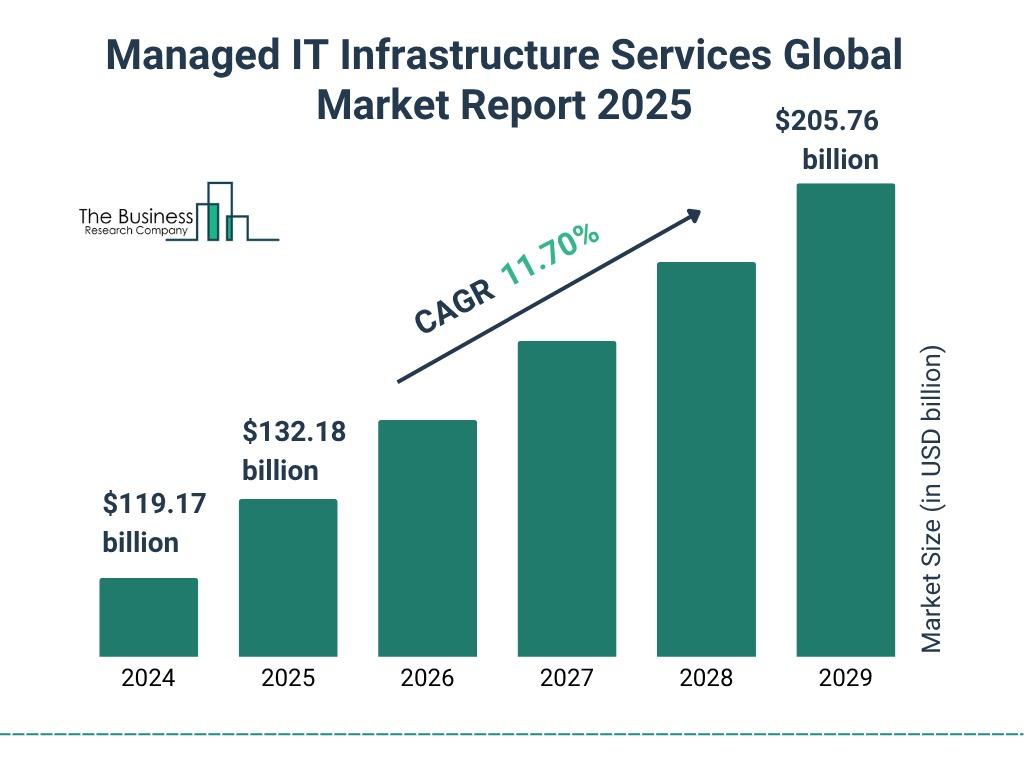
    The managed it infrastructure services market size has grown rapidly in recent years. It will grow from $119.17 billion in 2024 to $132.18 billion in 2025 at a compound annual growth rate (CAGR) of 10.9%. The growth in the historic period can be attributed to rising complexity of it environments, cost optimization strategies, focus on core competencies, increasing cybersecurity concerns, scalability and flexibility needs.

    The managed it infrastructure services market size is expected to see rapid growth in the next few years. It will grow to $205.76 billion in 2029 at a compound annual growth rate (CAGR) of 11.7%. The growth in the forecast period can be attributed to edge computing growth, cloud adoption, regulatory compliance requirements, data governance and management, pandemic-driven changes. Major trends in the forecast period include expanded genetic testing accessibility, rise in prophylactic measures, personalized treatment approaches, advancements in non-invasive screening, emergence of supportive therapies.

    Get your free report sample today:
    Managed IT Infrastructure Services Market Overview Report 2025 Sample (https://www.thebusinessresearchcompany.com/sample.aspx?id=13210&type=smp)

    What Are the Primary Factors Driving the Managed IT Infrastructure Services Market?
    The increasing adoption of the Internet of Things (IoT) is expected to propel the growth of the managed IT infrastructure services market going forward. The Internet of Things (IoT) is a networked system of interconnected computing devices, mechanical and electronic machinery with unique identities (UIDs), and the capacity to transfer data without needing human-to-human or human-to-computer contact. Managed IT infrastructure services can help manage the scalability and complexity of IoT infrastructure by offering scalable software infrastructure, device management, enhanced security, and data management for IoT ecosystems. For instance, in September 2022, according to a report published by Ericsson, a Sweden-based telecommunications company, the global IoT connections reached 13.2 billion connections in 2022 and are expected to increase by 18% to 34.7 billion connections by 2028. Therefore, the increasing adoption of the Internet of Things (IoT) is driving the growth of the managed IT infrastructure services market.

    How Is the Managed IT Infrastructure Services Market Categorized Based on Key Segments?
    The managed it infrastructure servicesmarket covered in this report is segmented –

    1) By Service Category: Virtualization, Networking, Storage, Servers
    2) By Deployment Mode: On-Premises, Cloud
    3) By Enterprise Size: Small And Medium Enterprises, Large Enterprises
    4) By End User: IT And Telecommunication, Retail, Transportation And Logistics, BFSI (Banking, Financial Services, And Insurance), Manufacturing, Other End Users

    Subsegments:
    1) By Virtualization: Server Virtualization, Desktop Virtualization, Application Virtualization
    2) By Networking: Managed Network Services, Network Security Services, WAN Optimization Services
    3) By Storage: Managed Storage Solutions, Backup And Disaster Recovery Services, Cloud Storage Solutions
    4) By Servers: Managed Server Hosting, Server Maintenance And Support, Dedicated Server Services

    Which Disruptive Trends Are Reshaping the Competitive Landscape of the Managed IT Infrastructure Services Market?
    Major companies operating in the managed IT infrastructure services market are focusing on developing innovative solutions, such as cloud-delivered managed security solutions, to maximize their revenues in the market. Cloud-delivered managed security solutions refer to security technologies and services delivered and managed through the cloud and used to protect critical infrastructure and data from cyber threats. For instance, in February 2022, Juniper Networks Inc., a US-based developer and marketer of networking products, introduced Juniper Secure Edge, a cloud-delivered security solution. With the help of this new solution, enterprises could secure their workforces wherever they are by delivering firewall-as-a-service (FWaaS) as a single-stack software architecture. Its key features include unified policy management from a single UI (user interface) for all security use cases with dynamic zero-trust segmentation, investment protection, integration with any identity provider, and validated security effectiveness. Secure Edge provides a consistent security policy framework with policies that dynamically update based on new risk and attack vectors and follow users wherever they go. Automated access restrictions are provided to workers and outside contractors through granular policy management.

    Who Are the Major Companies Operating in the Managed IT Infrastructure Services Market?
    Major companies operating in the managed it infrastructure services market report are Microsoft Corporation, Verizon Communications Inc., AT&T Inc., Dell Inc., Lenovo Group Ltd., Accenture PLC, International Business Machines Corporation, Cisco Systems Inc., Fujitsu Limited, Canon Inc., Hewlett Packard Development Company L.P., Toshiba Corp., Tata Consultancy Services Ltd., Telefonaktiebolaget LM Ericsson, Nokia Corporation, NEC Corporation, Capgemini America Inc., NTT Ltd., Cognizant Technology Solutions Corp., Infosys Limited, DXC Technology Corporation, Atos SE, Wipro Ltd., HCL Technologies Limited, CGI Group Inc., Xerox Holdings Corp., Rackspace Inc., LTIMindtree Limited, Unisys Corporation, Cybernet Software Systems Inc., Happiest Minds Technologies Limited

    Get the detailed managed it infrastructure services market report today
    Managed IT Infrastructure Services Market Overview Report 2025 (https://www.thebusinessresearchcompany.com/report/managed-it-infrastructure-services-global-market-report)

    Which Region Holds the Largest Share of the Managed IT Infrastructure Services Market?
    North America was the largest region in the managed IT infrastructure services market in 2024. Asia-Pacific is expected to be the fastest-growing region in the forecast period. The regions covered in the managed it infrastructure services market report are Asia-Pacific, Western Europe, Eastern Europe, North America, South America, Middle East, Africa

    #Contact Us:#
    The Business Research Company: Market Research Reports (https://thebusinessresearchcompany.com/)
    Americas +1 310-496-7795
    Asia +44 7882 955267 & +91 8897263534
    Europe +44 7882 955267
    Email: info@tbrc.info (mailto:info@tbrc.info)

    #Follow Us On:#

    LinkedIn: The Business Research Company | LinkedIn (https://in.linkedin.com/company/the-business-research-company)

    Global Managed IT Infrastructure Services Market Anticipated to Expand Rapidly From 2025 to 2029 Use Code ONLINE20 to Save 20% On Global Market Reports – Gain Access to Trusted Market Data, Growth Indicators, and Industry Analytics What Is the Current Size and Annual Growth Rate of the Managed IT Infrastructure Services Market? The managed it infrastructure services market size has grown rapidly in recent years. It will grow from $119.17 billion in 2024 to $132.18 billion in 2025 at a compound annual growth rate (CAGR) of 10.9%. The growth in the historic period can be attributed to rising complexity of it environments, cost optimization strategies, focus on core competencies, increasing cybersecurity concerns, scalability and flexibility needs. The managed it infrastructure services market size is expected to see rapid growth in the next few years. It will grow to $205.76 billion in 2029 at a compound annual growth rate (CAGR) of 11.7%. The growth in the forecast period can be attributed to edge computing growth, cloud adoption, regulatory compliance requirements, data governance and management, pandemic-driven changes. Major trends in the forecast period include expanded genetic testing accessibility, rise in prophylactic measures, personalized treatment approaches, advancements in non-invasive screening, emergence of supportive therapies. Get your free report sample today: Managed IT Infrastructure Services Market Overview Report 2025 Sample (https://www.thebusinessresearchcompany.com/sample.aspx?id=13210&type=smp) What Are the Primary Factors Driving the Managed IT Infrastructure Services Market? The increasing adoption of the Internet of Things (IoT) is expected to propel the growth of the managed IT infrastructure services market going forward. The Internet of Things (IoT) is a networked system of interconnected computing devices, mechanical and electronic machinery with unique identities (UIDs), and the capacity to transfer data without needing human-to-human or human-to-computer contact. Managed IT infrastructure services can help manage the scalability and complexity of IoT infrastructure by offering scalable software infrastructure, device management, enhanced security, and data management for IoT ecosystems. For instance, in September 2022, according to a report published by Ericsson, a Sweden-based telecommunications company, the global IoT connections reached 13.2 billion connections in 2022 and are expected to increase by 18% to 34.7 billion connections by 2028. Therefore, the increasing adoption of the Internet of Things (IoT) is driving the growth of the managed IT infrastructure services market. How Is the Managed IT Infrastructure Services Market Categorized Based on Key Segments? The managed it infrastructure servicesmarket covered in this report is segmented – 1) By Service Category: Virtualization, Networking, Storage, Servers 2) By Deployment Mode: On-Premises, Cloud 3) By Enterprise Size: Small And Medium Enterprises, Large Enterprises 4) By End User: IT And Telecommunication, Retail, Transportation And Logistics, BFSI (Banking, Financial Services, And Insurance), Manufacturing, Other End Users Subsegments: 1) By Virtualization: Server Virtualization, Desktop Virtualization, Application Virtualization 2) By Networking: Managed Network Services, Network Security Services, WAN Optimization Services 3) By Storage: Managed Storage Solutions, Backup And Disaster Recovery Services, Cloud Storage Solutions 4) By Servers: Managed Server Hosting, Server Maintenance And Support, Dedicated Server Services Which Disruptive Trends Are Reshaping the Competitive Landscape of the Managed IT Infrastructure Services Market? Major companies operating in the managed IT infrastructure services market are focusing on developing innovative solutions, such as cloud-delivered managed security solutions, to maximize their revenues in the market. Cloud-delivered managed security solutions refer to security technologies and services delivered and managed through the cloud and used to protect critical infrastructure and data from cyber threats. For instance, in February 2022, Juniper Networks Inc., a US-based developer and marketer of networking products, introduced Juniper Secure Edge, a cloud-delivered security solution. With the help of this new solution, enterprises could secure their workforces wherever they are by delivering firewall-as-a-service (FWaaS) as a single-stack software architecture. Its key features include unified policy management from a single UI (user interface) for all security use cases with dynamic zero-trust segmentation, investment protection, integration with any identity provider, and validated security effectiveness. Secure Edge provides a consistent security policy framework with policies that dynamically update based on new risk and attack vectors and follow users wherever they go. Automated access restrictions are provided to workers and outside contractors through granular policy management. Who Are the Major Companies Operating in the Managed IT Infrastructure Services Market? Major companies operating in the managed it infrastructure services market report are Microsoft Corporation, Verizon Communications Inc., AT&T Inc., Dell Inc., Lenovo Group Ltd., Accenture PLC, International Business Machines Corporation, Cisco Systems Inc., Fujitsu Limited, Canon Inc., Hewlett Packard Development Company L.P., Toshiba Corp., Tata Consultancy Services Ltd., Telefonaktiebolaget LM Ericsson, Nokia Corporation, NEC Corporation, Capgemini America Inc., NTT Ltd., Cognizant Technology Solutions Corp., Infosys Limited, DXC Technology Corporation, Atos SE, Wipro Ltd., HCL Technologies Limited, CGI Group Inc., Xerox Holdings Corp., Rackspace Inc., LTIMindtree Limited, Unisys Corporation, Cybernet Software Systems Inc., Happiest Minds Technologies Limited Get the detailed managed it infrastructure services market report today Managed IT Infrastructure Services Market Overview Report 2025 (https://www.thebusinessresearchcompany.com/report/managed-it-infrastructure-services-global-market-report) Which Region Holds the Largest Share of the Managed IT Infrastructure Services Market? North America was the largest region in the managed IT infrastructure services market in 2024. Asia-Pacific is expected to be the fastest-growing region in the forecast period. The regions covered in the managed it infrastructure services market report are Asia-Pacific, Western Europe, Eastern Europe, North America, South America, Middle East, Africa #Contact Us:# The Business Research Company: Market Research Reports (https://thebusinessresearchcompany.com/) Americas +1 310-496-7795 Asia +44 7882 955267 & +91 8897263534 Europe +44 7882 955267 Email: info@tbrc.info (mailto:info@tbrc.info) #Follow Us On:# LinkedIn: The Business Research Company | LinkedIn (https://in.linkedin.com/company/the-business-research-company)
    0 Комментарии 0 Поделились 7Кб Просмотры
  • The Neonatal Phototherapy Devices Market is set for steady growth, driven by rising awareness of neonatal jaundice treatment and advanced healthcare innovations. Covering demand & forecast from 2017–2027, the report explores market trends, segmentation by product type, application, and region. Discover how cutting-edge phototherapy devices are improving infant care worldwide and shaping the future of neonatal health.

    Get Sample PDF:- https://www.futuremarketinsights.com/reports/sample/rep-gb-5064

    Get More Info:- https://www.futuremarketinsights.com/reports/neonatal-phototherapy-devices-market

    #Healthcare #MarketTrends #NeonatalCare

    🌍✨ The Neonatal Phototherapy Devices Market is set for steady growth, driven by rising awareness of neonatal jaundice treatment and advanced healthcare innovations. Covering demand & forecast from 2017–2027, the report explores market trends, segmentation by product type, application, and region. Discover how cutting-edge phototherapy devices are improving infant care worldwide and shaping the future of neonatal health. 👶💡 Get Sample PDF:- https://www.futuremarketinsights.com/reports/sample/rep-gb-5064 Get More Info:- https://www.futuremarketinsights.com/reports/neonatal-phototherapy-devices-market #Healthcare #MarketTrends #NeonatalCare
    Neonatal Phototherapy Devices Market - Sample | Future Market Insights
    Request a Free Sample for Neonatal Phototherapy Devices Market
    0 Комментарии 0 Поделились 2Кб Просмотры
  • Desktop Hypervisor Market – Trends, Insights & Future Outlook

    The Desktop Hypervisor Market is rapidly evolving, driven by key trends like the rise of remote work, growing cloud adoption, and enhanced cybersecurity needs. As virtual desktop infrastructure becomes essential for enterprise agility and workforce mobility, understanding this market’s dynamics is crucial for tech leaders, investors, and IT strategists.

    For more details visit our website:
    https://www.reportprime.com/desktop-hypervisor-r14667

    Market Segmentation:

    By Type:

    Type 1 (Bare-metal Hypervisors): Dominates due to its direct hardware integration and higher performance.

    Type 2 (Hosted Hypervisors): Growing at 6.5% CAGR, supported by ease of installation and user-friendly interfaces.

    Cloud-based Hypervisors: Emerging fast in hybrid and multi-cloud environments, enabling flexible enterprise deployments.

    Our Official website:
    https://www.reportprime.com/
    📊 Desktop Hypervisor Market – Trends, Insights & Future Outlook 💻🌍 The Desktop Hypervisor Market is rapidly evolving, driven by key trends like the rise of remote work, growing cloud adoption, and enhanced cybersecurity needs. As virtual desktop infrastructure becomes essential for enterprise agility and workforce mobility, understanding this market’s dynamics is crucial for tech leaders, investors, and IT strategists. 🚀 For more details visit our website: https://www.reportprime.com/desktop-hypervisor-r14667 🔍 Market Segmentation: By Type: Type 1 (Bare-metal Hypervisors): Dominates due to its direct hardware integration and higher performance. Type 2 (Hosted Hypervisors): Growing at 6.5% CAGR, supported by ease of installation and user-friendly interfaces. Cloud-based Hypervisors: Emerging fast in hybrid and multi-cloud environments, enabling flexible enterprise deployments. Our Official website: https://www.reportprime.com/
    WWW.REPORTPRIME.COM
    Page Not Found - Report Prime
    Page Not Found, Please search for the report that you are looking for.
    0 Комментарии 0 Поделились 3Кб Просмотры
  • Consumer Identity and Access Management (CIAM) Market – 2025 Insights & Forecast

    Introduction:
    The Consumer Identity and Access Management (CIAM) market is witnessing dynamic growth, driven by rising digital transformation, escalating data privacy concerns, and the need for seamless omnichannel customer experiences. As businesses increasingly prioritize secure, personalized digital interactions, understanding CIAM market dynamics is essential for tech investors, solution providers, and enterprises aiming to thrive in an evolving cyber ecosystem.

    For more details visit our website:
    https://www.reportprime.com/co........nsumer-identity-

    Market Segmentation

    By Type:

    Authentication – Dominates the market due to increasing deployment of multi-factor and biometric authentication to prevent identity theft and fraud.

    Identity Governance – Growing at a CAGR of 14.2% as organizations seek better compliance with evolving privacy regulations like GDPR and CCPA.

    Access Management & Authorization – Emerging in retail and BFSI sectors, supporting secure, real-time access to customer portals and services.

    Our official website:
    https://www.reportprime.com/
    🌐 Consumer Identity and Access Management (CIAM) Market – 2025 Insights & Forecast 🌐 🔍 Introduction: The Consumer Identity and Access Management (CIAM) market is witnessing dynamic growth, driven by rising digital transformation, escalating data privacy concerns, and the need for seamless omnichannel customer experiences. As businesses increasingly prioritize secure, personalized digital interactions, understanding CIAM market dynamics is essential for tech investors, solution providers, and enterprises aiming to thrive in an evolving cyber ecosystem. For more details visit our website: https://www.reportprime.com/co........nsumer-identity- 🔗 Market Segmentation By Type: Authentication – Dominates the market due to increasing deployment of multi-factor and biometric authentication to prevent identity theft and fraud. Identity Governance – Growing at a CAGR of 14.2% as organizations seek better compliance with evolving privacy regulations like GDPR and CCPA. Access Management & Authorization – Emerging in retail and BFSI sectors, supporting secure, real-time access to customer portals and services. Our official website: https://www.reportprime.com/
    0 Комментарии 0 Поделились 3Кб Просмотры
Расширенные страницы