



• Best Indian-Style Sandwich Recipes to Spice Up Your Day

    When it comes to quick, delicious, and satisfying meals, a good sandwich is hard to beat. But why settle for plain when you can add a burst of Indian flavor? Indian-style sandwiches combine the comfort of bread with the richness of spices, chutneys, and flavorful fillings. From street-style favorites to healthy homemade versions, these Sandwich Recipe ideas will bring a spicy twist to your everyday meals.
    1. Mumbai Masala Toast Sandwich
    A true street food legend, the Mumbai Masala Toast is a spicy, crispy delight. It’s layered with green chutney, butter, mashed spiced potatoes, and sliced vegetables like tomatoes, onions, and cucumber.
    Ingredients:
    Bread slices, butter, green chutney, boiled potatoes, onion, tomato, cucumber, chaat masala, and cheese (optional).
    Method:
    Spread butter and chutney on bread slices.


    Add mashed potato and vegetables.


    Sprinkle chaat masala and top with another slice.


    Grill until golden brown and serve with ketchup or chutney.


    2. Paneer Tikka Sandwich
    If you love paneer, this is a must-try Sandwich Recipe. The marinated and grilled paneer cubes create a smoky, spicy flavor that pairs perfectly with bread.
    Ingredients:
    Paneer cubes, curd, red chili powder, turmeric, cumin powder, garam masala, and bread.
    Method:
    Marinate paneer in curd and spices for 15 minutes.


    Grill or pan-fry until golden.


    Place the paneer on toasted bread with onions and mint chutney.


    Serve hot.


    3. Aloo Masala Sandwich
    A comforting and filling Indian breakfast option, the Aloo Masala Sandwich is perfect for using leftover potato curry.
    Ingredients:
    Boiled potatoes, green chilies, onions, mustard seeds, curry leaves, and bread.
    Method:
    Prepare spiced potato filling by sautéing onions, mustard seeds, and curry leaves.


    Add mashed potatoes and cook for a few minutes.


    Spread the filling between two buttered bread slices and toast until crisp.


    4. Chutney Cheese Sandwich
    This Sandwich Recipe is both simple and flavorful. The tangy chutney pairs beautifully with the creamy melted cheese.
    Ingredients:
    Green chutney, butter, cheese slices, and bread.
    Method:
    Spread butter and chutney on the bread.


    Add cheese slices in between.


    Grill until cheese melts and bread turns golden.


    5. Chicken Tandoori Sandwich
    For non-vegetarian lovers, the Chicken Tandoori Sandwich is an irresistible mix of smoky tandoori flavors and crunchy vegetables.
    Ingredients:
    Boneless chicken, curd, tandoori masala, ginger-garlic paste, onions, and lettuce.
    Method:
    Marinate chicken in curd and spices.


    Grill until cooked through.


    Place chicken pieces in toasted bread with onions, lettuce, and mayo or chutney.


    6. Corn and Spinach Sandwich
    A healthy Sandwich Recipe that’s light yet flavorful. The creamy spinach-corn filling makes it perfect for breakfast or snacks.
    Ingredients:
    Boiled corn, spinach, garlic, cheese, and bread.
    Method:
    Sauté spinach and garlic.


    Add corn and cheese to make a creamy filling.


    Spread between bread slices and grill until crisp.


    7. Bombay Club Sandwich
    A triple-layered sandwich loaded with layers of butter, chutney, spiced potatoes, tomatoes, cucumbers, and eggs. This hearty sandwich is a full meal on its own.
    Method:
    Toast three bread slices.


    Layer with butter, chutney, potato mix, and vegetables.


    Add a fried egg or cheese slice.


    Stack and cut diagonally before serving.


    8. Egg Bhurji Sandwich
    Inspired by the popular street-style egg bhurji, this sandwich offers a spicy and protein-packed option for breakfast.
    Method:
    Cook scrambled eggs with onions, tomatoes, green chilies, and spices.


    Fill the mixture between bread slices and toast.


    9. Vegetable Grilled Sandwich
    Loaded with colorful veggies, this Indian-style grilled sandwich is a crowd-pleaser. The secret lies in the chutney and seasoning.
    Ingredients:
    Capsicum, tomato, onion, green chutney, butter, and cheese.
    Method:
    Spread chutney and butter on bread.


    Add vegetables and cheese.


    Grill until golden brown and crisp.


    10. Samosa Sandwich
    For a fun twist, place a hot samosa between buttered bread slices with chutney and onions. Toast lightly. It’s crunchy, spicy, and absolutely unique — the ultimate Indian fusion Sandwich Recipe.
    Tips for the Perfect Indian Sandwich
    Use green chutney and butter as your base spread for authentic flavor.


    Always use fresh bread for better texture.


    Add chaat masala or lemon juice to enhance taste.


    Toast or grill your sandwich for that crispy outer layer.


    Conclusion
    Indian-style sandwiches are proof that even the simplest meals can be bursting with flavor. Whether you prefer spicy, cheesy, or healthy combinations, these Sandwich Recipe ideas bring a creative twist to your everyday menu. Perfect for breakfast, tiffin boxes, or evening snacks, they’re quick, customizable, and truly satisfying.Brought to you by Meghna’s Food Magic – where every recipe is inspired by authentic flavors, homemade goodness, and the joy of cooking.
    https://meghnasfoodmagic.in

    Best Indian-Style Sandwich Recipes to Spice Up Your Day When it comes to quick, delicious, and satisfying meals, a good sandwich is hard to beat. But why settle for plain when you can add a burst of Indian flavor? Indian-style sandwiches combine the comfort of bread with the richness of spices, chutneys, and flavorful fillings. From street-style favorites to healthy homemade versions, these Sandwich Recipe ideas will bring a spicy twist to your everyday meals. 1. Mumbai Masala Toast Sandwich A true street food legend, the Mumbai Masala Toast is a spicy, crispy delight. It’s layered with green chutney, butter, mashed spiced potatoes, and sliced vegetables like tomatoes, onions, and cucumber. Ingredients: Bread slices, butter, green chutney, boiled potatoes, onion, tomato, cucumber, chaat masala, and cheese (optional). Method: Spread butter and chutney on bread slices. Add mashed potato and vegetables. Sprinkle chaat masala and top with another slice. Grill until golden brown and serve with ketchup or chutney. 2. Paneer Tikka Sandwich If you love paneer, this is a must-try Sandwich Recipe. The marinated and grilled paneer cubes create a smoky, spicy flavor that pairs perfectly with bread. Ingredients: Paneer cubes, curd, red chili powder, turmeric, cumin powder, garam masala, and bread. Method: Marinate paneer in curd and spices for 15 minutes. Grill or pan-fry until golden. Place the paneer on toasted bread with onions and mint chutney. Serve hot. 3. Aloo Masala Sandwich A comforting and filling Indian breakfast option, the Aloo Masala Sandwich is perfect for using leftover potato curry. Ingredients: Boiled potatoes, green chilies, onions, mustard seeds, curry leaves, and bread. Method: Prepare spiced potato filling by sautéing onions, mustard seeds, and curry leaves. Add mashed potatoes and cook for a few minutes. Spread the filling between two buttered bread slices and toast until crisp. 4. Chutney Cheese Sandwich This Sandwich Recipe is both simple and flavorful. The tangy chutney pairs beautifully with the creamy melted cheese. Ingredients: Green chutney, butter, cheese slices, and bread. Method: Spread butter and chutney on the bread. Add cheese slices in between. Grill until cheese melts and bread turns golden. 5. Chicken Tandoori Sandwich For non-vegetarian lovers, the Chicken Tandoori Sandwich is an irresistible mix of smoky tandoori flavors and crunchy vegetables. Ingredients: Boneless chicken, curd, tandoori masala, ginger-garlic paste, onions, and lettuce. Method: Marinate chicken in curd and spices. Grill until cooked through. Place chicken pieces in toasted bread with onions, lettuce, and mayo or chutney. 6. Corn and Spinach Sandwich A healthy Sandwich Recipe that’s light yet flavorful. The creamy spinach-corn filling makes it perfect for breakfast or snacks. Ingredients: Boiled corn, spinach, garlic, cheese, and bread. Method: Sauté spinach and garlic. Add corn and cheese to make a creamy filling. Spread between bread slices and grill until crisp. 7. Bombay Club Sandwich A triple-layered sandwich loaded with layers of butter, chutney, spiced potatoes, tomatoes, cucumbers, and eggs. This hearty sandwich is a full meal on its own. Method: Toast three bread slices. Layer with butter, chutney, potato mix, and vegetables. Add a fried egg or cheese slice. Stack and cut diagonally before serving. 8. Egg Bhurji Sandwich Inspired by the popular street-style egg bhurji, this sandwich offers a spicy and protein-packed option for breakfast. Method: Cook scrambled eggs with onions, tomatoes, green chilies, and spices. Fill the mixture between bread slices and toast. 9. Vegetable Grilled Sandwich Loaded with colorful veggies, this Indian-style grilled sandwich is a crowd-pleaser. The secret lies in the chutney and seasoning. Ingredients: Capsicum, tomato, onion, green chutney, butter, and cheese. Method: Spread chutney and butter on bread. Add vegetables and cheese. Grill until golden brown and crisp. 10. Samosa Sandwich For a fun twist, place a hot samosa between buttered bread slices with chutney and onions. Toast lightly. It’s crunchy, spicy, and absolutely unique — the ultimate Indian fusion Sandwich Recipe. Tips for the Perfect Indian Sandwich Use green chutney and butter as your base spread for authentic flavor. Always use fresh bread for better texture. Add chaat masala or lemon juice to enhance taste. Toast or grill your sandwich for that crispy outer layer. Conclusion Indian-style sandwiches are proof that even the simplest meals can be bursting with flavor. Whether you prefer spicy, cheesy, or healthy combinations, these Sandwich Recipe ideas bring a creative twist to your everyday menu. Perfect for breakfast, tiffin boxes, or evening snacks, they’re quick, customizable, and truly satisfying.Brought to you by Meghna’s Food Magic – where every recipe is inspired by authentic flavors, homemade goodness, and the joy of cooking. https://meghnasfoodmagic.in
    MEGHNASFOODMAGIC.IN
    Homepage
    Discover delicious food and recipes with Meghna Food Magic. Explore easy, tasty recipes for recipes that bring magic to your kitchen every day!
    0 Комментарии 0 Поделились 1Кб Просмотры
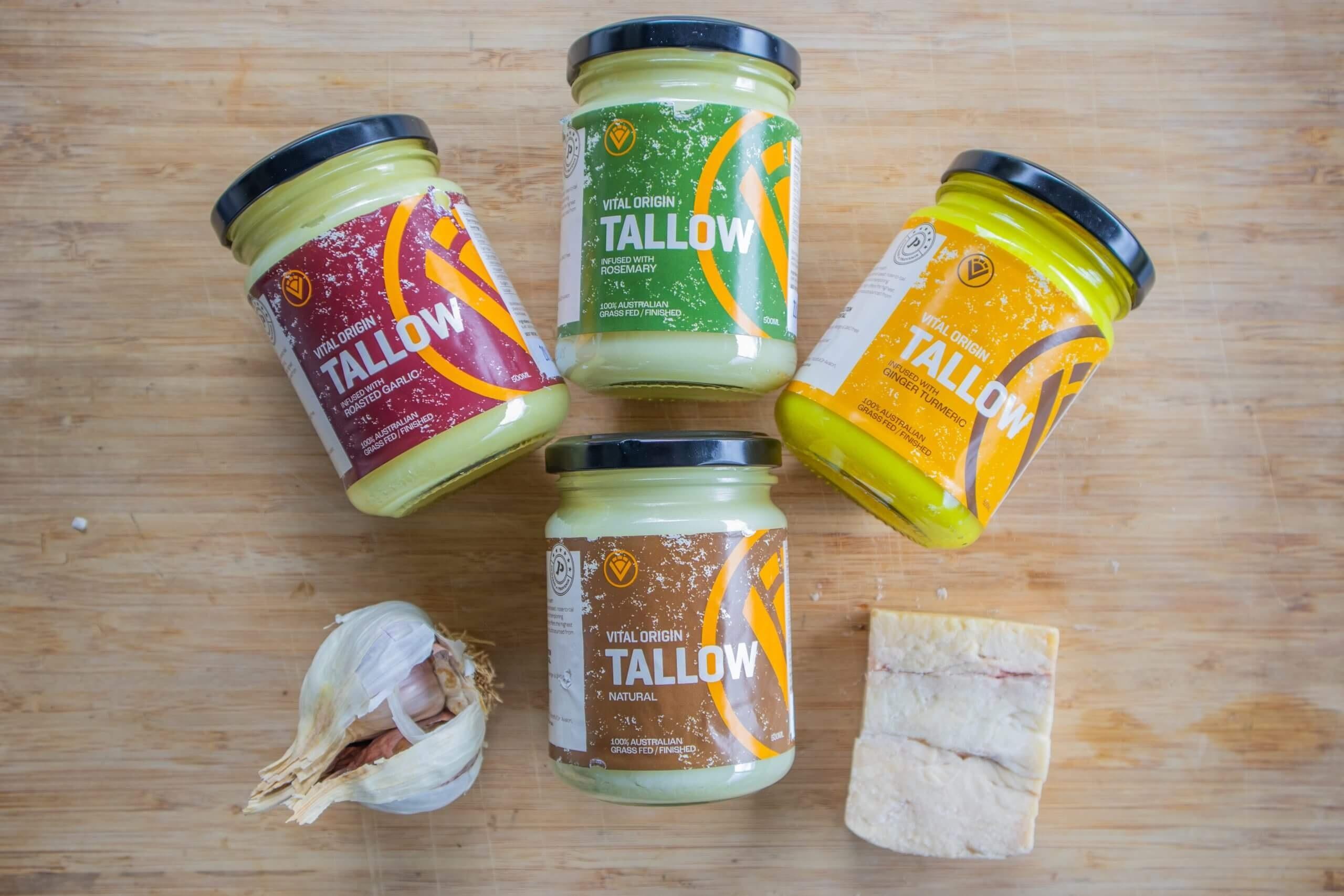
  • Grass Fed Tallow Bundle

    1 x Natural Tallow (250 mL)
    1 x Roasted Garlic Tallow
    1 x Rosemary Tallow
    1 x Ginger Turmeric Tallow

    https://vitalorigin.com.au/product/grass-fed-tallow-bundle/
    Grass Fed Tallow Bundle 1 x Natural Tallow (250 mL) 1 x Roasted Garlic Tallow 1 x Rosemary Tallow 1 x Ginger Turmeric Tallow https://vitalorigin.com.au/product/grass-fed-tallow-bundle/
    0 Комментарии 0 Поделились 204 Просмотры
  • https://www.naturalherbsclinic.com/blog/natural-herbal-remedies-for-polycythemia-vera-treatment/
    Garlic used in Herbal Remedies for Polycythemia Vera, It is a herb that has exact anti-coagulant properties. These properties deliver their ability to treat polycythemia. It helps in thinning of blood and prevents clots often associated with the medical conditions.
    https://www.naturalherbsclinic.com/blog/natural-herbal-remedies-for-polycythemia-vera-treatment/ Garlic used in Herbal Remedies for Polycythemia Vera, It is a herb that has exact anti-coagulant properties. These properties deliver their ability to treat polycythemia. It helps in thinning of blood and prevents clots often associated with the medical conditions.
    WWW.NATURALHERBSCLINIC.COM
    Natural Herbal Remedies for Polycythemia Vera Treatment
    Garlic used in Herbal Remedies for Polycythemia Vera, It is a herb that has exact anti-coagulant properties. These properties deliver their ability to treat polycythemia. It helps in thinning of blood and prevents clots often associated with the medical conditions.
    0 Комментарии 0 Поделились 615 Просмотры
  • https://www.naturalherbsclinic.com/blog/natural-and-herbal-treatment-for-polycythemia-vera/
    It is recommended to eat two to three raw garlic cloves in the morning on an empty stomach because it can help in the Herbal Treatment for Polycythemia Vera.
    https://www.naturalherbsclinic.com/blog/natural-and-herbal-treatment-for-polycythemia-vera/ It is recommended to eat two to three raw garlic cloves in the morning on an empty stomach because it can help in the Herbal Treatment for Polycythemia Vera.
    WWW.NATURALHERBSCLINIC.COM
    Natural And Herbal Treatment For Polycythemia Vera
    It is recommended to eat two to three raw garlic cloves in the morning on an empty stomach because it can help in the Herbal Treatment for Polycythemia Vera.
    0 Комментарии 0 Поделились 309 Просмотры
  • Market Overview:

    Oleoresins, which are natural extracts obtained from spices, herbs, and other plant materials, have been gaining significant traction across various industries due to their high concentration of flavor, color, and aroma. They are commonly used in the food and beverage industry, as well as in cosmetics, pharmaceuticals, and personal care products. Oleoresins are preferred over whole spices and powders for their concentrated nature, enhanced shelf life, and easier handling, making them a crucial ingredient in many formulations.

    The oleoresins market size is expected to reach USD 3,761.82 million by 2034, according to a new study by Polaris Market Research.

    The global oleoresins market has been growing steadily over the past few years, driven by increasing demand for natural and organic ingredients. The shift towards clean-label and plant-based products is also contributing to the market's expansion, as consumers and manufacturers alike seek alternatives to synthetic flavoring agents and preservatives.

    In this market, demand spans from food production to health and wellness products, with a focus on health-conscious consumers preferring natural ingredients. As such, the market is expected to continue growing, with increasing attention from both manufacturers and consumers toward clean, sustainable, and efficient sourcing of oleoresins.

    Key Market Growth Drivers:

    Rising Demand for Natural Ingredients: The growing trend toward natural and clean-label ingredients has been a key driver of the oleoresins market. Consumers are increasingly seeking products free from synthetic additives, artificial colors, and preservatives. As a result, the food and beverage industry, along with cosmetics and personal care companies, are turning to oleoresins for their rich, natural flavor profiles and vibrant color properties. Oleoresins provide a natural solution for flavoring without the need for added chemicals, which is highly appealing in today’s health-conscious market.

    Expansion of the Food and Beverage Sector: The food and beverage industry remains one of the largest consumers of oleoresins, especially in the production of sauces, seasonings, and flavoring products. The demand for convenience foods, fast food, and ready-to-eat meals is driving the growth of oleoresins, as they are used to enhance flavors without compromising on the integrity or quality of the products. Additionally, the increasing global consumption of spicy and exotic foods, particularly in emerging markets, contributes to the growth of oleoresins such as capsicum and black pepper oleoresins.

    Health and Wellness Trends: With growing consumer awareness about health and wellness, there is a noticeable shift toward products with functional benefits. Oleoresins from herbs and spices, such as turmeric and ginger, offer not only flavor but also medicinal and health benefits. The antioxidant, anti-inflammatory, and antimicrobial properties of various oleoresins make them attractive ingredients in dietary supplements, functional foods, and even topical skincare products. As more people seek natural remedies for various health conditions, the demand for oleoresins with therapeutic properties is increasing.

    Growth in the Cosmetics and Personal Care Industry: The use of oleoresins in cosmetics and personal care products is another contributing factor to the market's expansion. Natural oleoresins are used in the production of lotions, creams, shampoos, and perfumes due to their aromatic qualities and ability to provide a natural fragrance without synthetic chemicals. With an increasing preference for organic and natural personal care products, manufacturers are turning to oleoresins to meet consumer demand for chemical-free alternatives in skincare and beauty products.

    Market Challenges:

    High Cost of Oleoresins: One of the main challenges in the oleoresins market is the high cost of production, which is due to the complex extraction processes and the significant amount of raw materials needed to produce small quantities of oleoresins. The concentration of natural compounds in oleoresins means that large volumes of plant material are required to produce a relatively small amount of extract, making the process labor- and resource-intensive. This can lead to higher prices for oleoresins, which can hinder their widespread adoption, especially in price-sensitive markets.

    Limited Availability of Raw Materials: Oleoresins are derived from specific plants, and the availability of these raw materials can be affected by environmental factors such as climate change, droughts, and other ecological challenges. A shortage of raw materials, particularly in regions that rely heavily on the cultivation of spice plants, can lead to fluctuations in supply and higher prices for oleoresins. This volatility in the supply chain can be a major challenge for manufacturers who depend on the consistent availability of raw materials for production.

    Regulatory and Quality Control Issues: Since oleoresins are natural extracts, their quality can vary significantly depending on the sourcing and extraction methods used. Inconsistent quality and the potential for contamination from pesticides or other chemicals present a regulatory challenge. Ensuring product quality and meeting regulatory standards for food safety, cosmetics, and pharmaceuticals is essential for manufacturers to maintain consumer trust and market share. Strict regulations governing the extraction and use of natural ingredients can complicate production and distribution.

    Competition from Synthetic Alternatives: Despite the growing preference for natural ingredients, synthetic alternatives to oleoresins are still widely available and cost-effective. Synthetic flavorings and colorants often offer more stability, lower production costs, and longer shelf lives than natural oleoresins, which makes them a strong competitor in the market. Manufacturers in the food and beverage and cosmetics industries, especially those aiming to reduce production costs, may opt for synthetic alternatives, which could limit the growth potential of the oleoresins market.

    𝐄𝐱𝐩𝐥𝐨𝐫𝐞 𝐓𝐡𝐞 𝐂𝐨𝐦𝐩𝐥𝐞𝐭𝐞 𝐂𝐨𝐦𝐩𝐫𝐞𝐡𝐞𝐧𝐬𝐢𝐯𝐞 𝐑𝐞𝐩𝐨𝐫𝐭 𝐇𝐞𝐫𝐞 https://www.polarismarketresearch.com/industry-analysis/oleoresins-market

    Regional Analysis:

    North America: North America is a key market for oleoresins, driven by high consumer demand for natural and organic food products, as well as the increasing popularity of health supplements. The United States, in particular, is a major consumer of oleoresins used in the food and beverage, dietary supplements, and cosmetics sectors. The growing trend of plant-based and clean-label foods is fueling the market for oleoresins, particularly those derived from herbs and spices like ginger, black pepper, and turmeric.

    Europe: Europe is another significant market for oleoresins, with an increasing focus on sustainable and natural products. Countries such as Germany, France, and the United Kingdom have shown strong demand for oleoresins in the food, beverage, and cosmetic sectors. The rise of veganism and the growing trend of organic products across Europe have created opportunities for the market to expand. Additionally, the demand for medicinal and functional food ingredients, such as turmeric and garlic oleoresins, is on the rise.

    Asia-Pacific: The Asia-Pacific region is expected to witness the highest growth in the oleoresins market. This growth is primarily driven by the region’s rich heritage of using spices and herbs in culinary and medicinal applications. India is a major producer and exporter of oleoresins, particularly for spices like chili, turmeric, and coriander. The region’s growing middle class, increasing health consciousness, and demand for natural ingredients are further propelling the demand for oleoresins.

    Latin America and Middle East & Africa: While these regions contribute to the global oleoresins market, they represent a smaller share. However, both regions are experiencing steady growth due to increasing consumption of processed foods and the expanding cosmetics and personal care industries. In the Middle East, the use of aromatic herbs and spices in culinary applications is increasing the demand for oleoresins.

    Key Companies:

    Several major companies dominate the global oleoresins market, leveraging innovation and strong supply chains to meet the increasing demand for natural extracts. These include:

    Kalsec Inc.: A leading producer of oleoresins, Kalsec offers a wide range of natural extracts for the food, beverage, and pharmaceutical industries. The company specializes in spice oleoresins and continues to innovate in natural food colorants and flavoring agents.

    Plant Lipids: Known for its expertise in the production of essential oils and oleoresins, Plant Lipids supplies natural extracts to the food, beverage, and cosmetic industries worldwide. The company offers a broad portfolio of oleoresins derived from spices and herbs.

    Synthite Industries Ltd.: Based in India, Synthite is one of the world’s largest producers of oleoresins, including chili, black pepper, and turmeric oleoresins. The company supplies a wide range of products to various industries, including food and beverage, pharmaceuticals, and personal care.

    Givaudan: A global leader in flavor and fragrance production, Givaudan is involved in the production of oleoresins for the food and beverage industry. The company focuses on natural extracts and sustainable sourcing practices to meet the growing demand for plant-based ingredients.

    Aust & Hachmann: This company specializes in the production and supply of high-quality oleoresins, essential oils, and extracts for use in food, beverage, and pharmaceutical applications. Aust & Hachmann is known for its sustainable sourcing and production methods.

    Conclusion:

    The oleoresins market is experiencing growth, driven by increasing consumer preference for natural, sustainable, and clean-label ingredients. While the market faces challenges such as high production costs, raw material availability, and competition from synthetic alternatives, opportunities for growth remain robust, particularly in food, beverage, and personal care industries. As the market continues to evolve, innovation in extraction technologies, sourcing practices, and product applications will play a critical role in shaping the future of the oleoresins market.

    More Trending Latest Reports By Polaris Market Research:

    Wood Coatings Market

    Age-Related Macular Degeneration (Amd) Market

    Scar Treatment Market

    Warehouse Racking Market

    5G in Defense Market

    Ocean Economy Market

    Referral Management Market

    Drug Discount Card Market

    Catalog Management System Market
    Market Overview: Oleoresins, which are natural extracts obtained from spices, herbs, and other plant materials, have been gaining significant traction across various industries due to their high concentration of flavor, color, and aroma. They are commonly used in the food and beverage industry, as well as in cosmetics, pharmaceuticals, and personal care products. Oleoresins are preferred over whole spices and powders for their concentrated nature, enhanced shelf life, and easier handling, making them a crucial ingredient in many formulations. The oleoresins market size is expected to reach USD 3,761.82 million by 2034, according to a new study by Polaris Market Research. The global oleoresins market has been growing steadily over the past few years, driven by increasing demand for natural and organic ingredients. The shift towards clean-label and plant-based products is also contributing to the market's expansion, as consumers and manufacturers alike seek alternatives to synthetic flavoring agents and preservatives. In this market, demand spans from food production to health and wellness products, with a focus on health-conscious consumers preferring natural ingredients. As such, the market is expected to continue growing, with increasing attention from both manufacturers and consumers toward clean, sustainable, and efficient sourcing of oleoresins. Key Market Growth Drivers: Rising Demand for Natural Ingredients: The growing trend toward natural and clean-label ingredients has been a key driver of the oleoresins market. Consumers are increasingly seeking products free from synthetic additives, artificial colors, and preservatives. As a result, the food and beverage industry, along with cosmetics and personal care companies, are turning to oleoresins for their rich, natural flavor profiles and vibrant color properties. Oleoresins provide a natural solution for flavoring without the need for added chemicals, which is highly appealing in today’s health-conscious market. Expansion of the Food and Beverage Sector: The food and beverage industry remains one of the largest consumers of oleoresins, especially in the production of sauces, seasonings, and flavoring products. The demand for convenience foods, fast food, and ready-to-eat meals is driving the growth of oleoresins, as they are used to enhance flavors without compromising on the integrity or quality of the products. Additionally, the increasing global consumption of spicy and exotic foods, particularly in emerging markets, contributes to the growth of oleoresins such as capsicum and black pepper oleoresins. Health and Wellness Trends: With growing consumer awareness about health and wellness, there is a noticeable shift toward products with functional benefits. Oleoresins from herbs and spices, such as turmeric and ginger, offer not only flavor but also medicinal and health benefits. The antioxidant, anti-inflammatory, and antimicrobial properties of various oleoresins make them attractive ingredients in dietary supplements, functional foods, and even topical skincare products. As more people seek natural remedies for various health conditions, the demand for oleoresins with therapeutic properties is increasing. Growth in the Cosmetics and Personal Care Industry: The use of oleoresins in cosmetics and personal care products is another contributing factor to the market's expansion. Natural oleoresins are used in the production of lotions, creams, shampoos, and perfumes due to their aromatic qualities and ability to provide a natural fragrance without synthetic chemicals. With an increasing preference for organic and natural personal care products, manufacturers are turning to oleoresins to meet consumer demand for chemical-free alternatives in skincare and beauty products. Market Challenges: High Cost of Oleoresins: One of the main challenges in the oleoresins market is the high cost of production, which is due to the complex extraction processes and the significant amount of raw materials needed to produce small quantities of oleoresins. The concentration of natural compounds in oleoresins means that large volumes of plant material are required to produce a relatively small amount of extract, making the process labor- and resource-intensive. This can lead to higher prices for oleoresins, which can hinder their widespread adoption, especially in price-sensitive markets. Limited Availability of Raw Materials: Oleoresins are derived from specific plants, and the availability of these raw materials can be affected by environmental factors such as climate change, droughts, and other ecological challenges. A shortage of raw materials, particularly in regions that rely heavily on the cultivation of spice plants, can lead to fluctuations in supply and higher prices for oleoresins. This volatility in the supply chain can be a major challenge for manufacturers who depend on the consistent availability of raw materials for production. Regulatory and Quality Control Issues: Since oleoresins are natural extracts, their quality can vary significantly depending on the sourcing and extraction methods used. Inconsistent quality and the potential for contamination from pesticides or other chemicals present a regulatory challenge. Ensuring product quality and meeting regulatory standards for food safety, cosmetics, and pharmaceuticals is essential for manufacturers to maintain consumer trust and market share. Strict regulations governing the extraction and use of natural ingredients can complicate production and distribution. Competition from Synthetic Alternatives: Despite the growing preference for natural ingredients, synthetic alternatives to oleoresins are still widely available and cost-effective. Synthetic flavorings and colorants often offer more stability, lower production costs, and longer shelf lives than natural oleoresins, which makes them a strong competitor in the market. Manufacturers in the food and beverage and cosmetics industries, especially those aiming to reduce production costs, may opt for synthetic alternatives, which could limit the growth potential of the oleoresins market. 𝐄𝐱𝐩𝐥𝐨𝐫𝐞 𝐓𝐡𝐞 𝐂𝐨𝐦𝐩𝐥𝐞𝐭𝐞 𝐂𝐨𝐦𝐩𝐫𝐞𝐡𝐞𝐧𝐬𝐢𝐯𝐞 𝐑𝐞𝐩𝐨𝐫𝐭 𝐇𝐞𝐫𝐞 https://www.polarismarketresearch.com/industry-analysis/oleoresins-market Regional Analysis: North America: North America is a key market for oleoresins, driven by high consumer demand for natural and organic food products, as well as the increasing popularity of health supplements. The United States, in particular, is a major consumer of oleoresins used in the food and beverage, dietary supplements, and cosmetics sectors. The growing trend of plant-based and clean-label foods is fueling the market for oleoresins, particularly those derived from herbs and spices like ginger, black pepper, and turmeric. Europe: Europe is another significant market for oleoresins, with an increasing focus on sustainable and natural products. Countries such as Germany, France, and the United Kingdom have shown strong demand for oleoresins in the food, beverage, and cosmetic sectors. The rise of veganism and the growing trend of organic products across Europe have created opportunities for the market to expand. Additionally, the demand for medicinal and functional food ingredients, such as turmeric and garlic oleoresins, is on the rise. Asia-Pacific: The Asia-Pacific region is expected to witness the highest growth in the oleoresins market. This growth is primarily driven by the region’s rich heritage of using spices and herbs in culinary and medicinal applications. India is a major producer and exporter of oleoresins, particularly for spices like chili, turmeric, and coriander. The region’s growing middle class, increasing health consciousness, and demand for natural ingredients are further propelling the demand for oleoresins. Latin America and Middle East & Africa: While these regions contribute to the global oleoresins market, they represent a smaller share. However, both regions are experiencing steady growth due to increasing consumption of processed foods and the expanding cosmetics and personal care industries. In the Middle East, the use of aromatic herbs and spices in culinary applications is increasing the demand for oleoresins. Key Companies: Several major companies dominate the global oleoresins market, leveraging innovation and strong supply chains to meet the increasing demand for natural extracts. These include: Kalsec Inc.: A leading producer of oleoresins, Kalsec offers a wide range of natural extracts for the food, beverage, and pharmaceutical industries. The company specializes in spice oleoresins and continues to innovate in natural food colorants and flavoring agents. Plant Lipids: Known for its expertise in the production of essential oils and oleoresins, Plant Lipids supplies natural extracts to the food, beverage, and cosmetic industries worldwide. The company offers a broad portfolio of oleoresins derived from spices and herbs. Synthite Industries Ltd.: Based in India, Synthite is one of the world’s largest producers of oleoresins, including chili, black pepper, and turmeric oleoresins. The company supplies a wide range of products to various industries, including food and beverage, pharmaceuticals, and personal care. Givaudan: A global leader in flavor and fragrance production, Givaudan is involved in the production of oleoresins for the food and beverage industry. The company focuses on natural extracts and sustainable sourcing practices to meet the growing demand for plant-based ingredients. Aust & Hachmann: This company specializes in the production and supply of high-quality oleoresins, essential oils, and extracts for use in food, beverage, and pharmaceutical applications. Aust & Hachmann is known for its sustainable sourcing and production methods. Conclusion: The oleoresins market is experiencing growth, driven by increasing consumer preference for natural, sustainable, and clean-label ingredients. While the market faces challenges such as high production costs, raw material availability, and competition from synthetic alternatives, opportunities for growth remain robust, particularly in food, beverage, and personal care industries. As the market continues to evolve, innovation in extraction technologies, sourcing practices, and product applications will play a critical role in shaping the future of the oleoresins market. More Trending Latest Reports By Polaris Market Research: Wood Coatings Market Age-Related Macular Degeneration (Amd) Market Scar Treatment Market Warehouse Racking Market 5G in Defense Market Ocean Economy Market Referral Management Market Drug Discount Card Market Catalog Management System Market
    WWW.POLARISMARKETRESEARCH.COM
    Oleoresins Market Report: Size, Share & Growth Analysis 2034
    The global Oleoresins Market is projected to reach USD 3,761.82 million by 2034 With at a CAGR of 6.9% during the forecast period.
    0 Комментарии 0 Поделились 12Кб Просмотры