


How Geofencing Is Transforming Event Marketing and Lead Generation
In the age of data-driven marketing, traditional event strategies no longer deliver the level of insight or ROI that B2B teams demand. Today’s marketers must reach prospects where they are — not after the event, but during the event — to capture interest and convert it into pipeline. That’s where geofencing comes in.
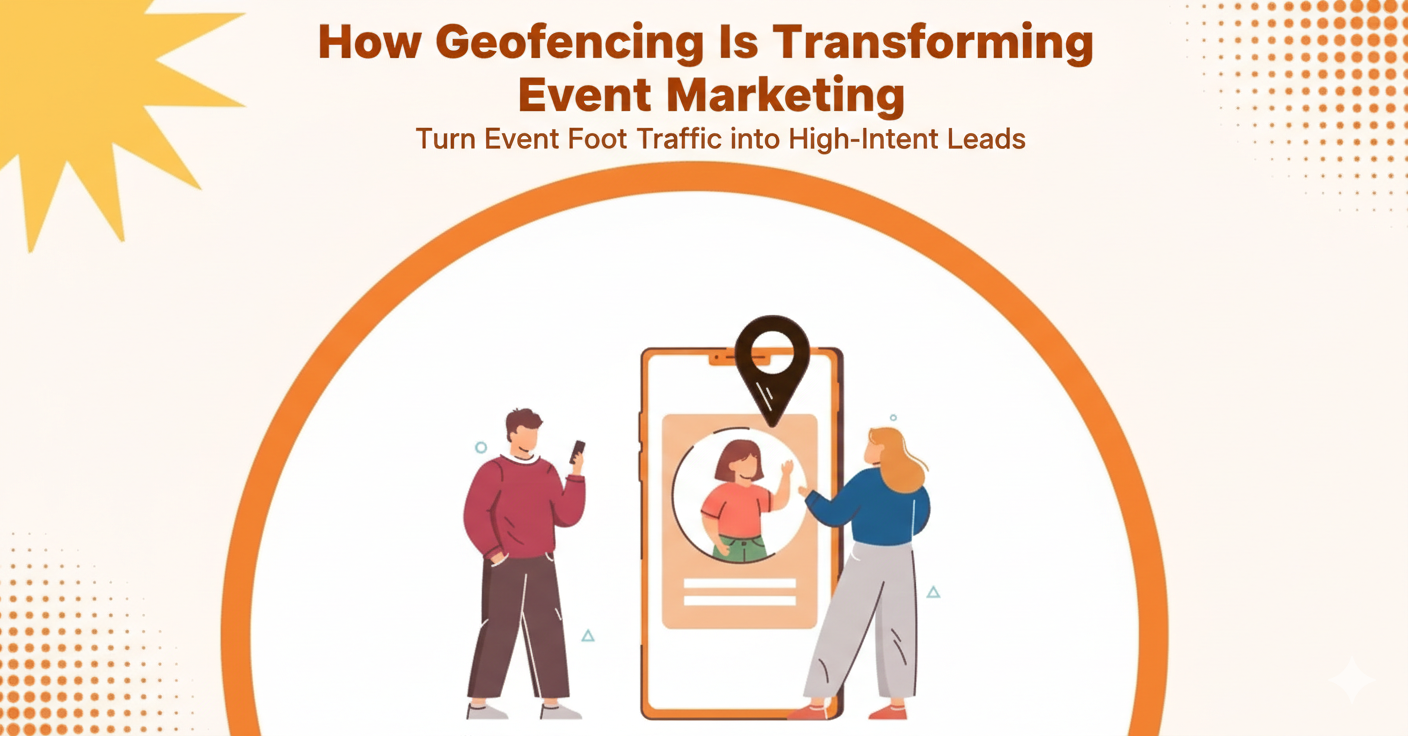
Geofencing is a location-based marketing technology that enables brands to create virtual boundaries around physical spaces like conference centers, trade show halls, hotels, or even competitor booths. When a device enters or exits these geofenced zones, marketers can trigger targeted messaging, track engagement, and uncover valuable behavioral insights — all in real time.
What Makes Geofencing So Effective for Events?
1. Real-Time Engagement With High-Intent
Audiences
At B2B events, attendees are already in a mindset of discovery and evaluation. Traditional tactics like brochures and badge scans capture interest after a conversation, but geofencing lets you reach prospects in the moment — even if they never visit your booth. Marketers can serve personalized ads, notifications, or offers to devices present within the venue, increasing the chances of meaningful engagement.
2. Precision Targeting Beyond the Booth
Not all event attendees are created equal. With geofencing, you can segment audiences based on precise zones attendees traverse: keynote halls, networking lounges, partner areas, and competitor spaces. This allows you to tailor messaging based on real physical behavior — for example, prospects who spend time near competitor exhibits can receive competitive comparison content or invitations to stop by your session.
3. Enhanced Lead Capture and Attribution
Traditional event metrics like badge scans and business card drops give limited insight into attendee behavior. Geofencing adds a deeper layer of tracking: how long attendees stay in certain areas, how many times they pass by your exhibit, and which zones correlate with higher conversion signals. This data enriches your lead profiles and improves post-event follow-up.
Before, During, and After: The Full Geofencing Event Lifecycle
Before the Event:
Geofencing lets you build pre-event momentum by targeting audiences likely to attend based on past behavior or intent signals. Serve tailored content in advance to increase booth visits or session attendance.
During the Event:
Once the geofence is live, deliver real-time messaging that aligns with event behavior — from session reminders to exclusive offers, meeting invitations, and content downloads. This real-time relevance makes every touchpoint more impactful.
After the Event:
Even after attendees leave the venue, geofencing campaigns continue to pay dividends. Attendees who interacted with your messaging can be retargeted across digital channels, nudging them further down the funnel with relevant follow-ups and nurturing sequences.
Measuring Impact: From Foot Traffic to Pipeline
One of the biggest advantages of geofencing is improved visibility into the full lead lifecycle. Instead of counting only booth stops or form fills, marketers can now measure:
• Impressions and engagement within the geofence
• Behavior-driven segmentation of high-intent attendees
• Geofence-influenced conversions
• Post-event retargeting performance
These insights enable teams to connect event activity directly to pipeline outcomes — a key shift from traditional event reporting models.
Conclusion
Geofencing isn’t just another event marketing tactic — it’s a transformative strategy that turns physical presence into actionable data and meaningful interactions. By enabling real-time engagement, precise targeting, and enhanced lead attribution, geofencing empowers B2B teams to convert event participation into tangible pipeline results.
Whether you’re attending your first industry trade show or optimizing enterprise-wide event strategies, geofencing is a tool that elevates both how and where you connect with prospects — making every event a smarter investment.
Read More: https://intentamplify.com/blog/geofencing-at-events-a-smarter-way-to-capture-and-convert-leads/
In the age of data-driven marketing, traditional event strategies no longer deliver the level of insight or ROI that B2B teams demand. Today’s marketers must reach prospects where they are — not after the event, but during the event — to capture interest and convert it into pipeline. That’s where geofencing comes in.
Geofencing is a location-based marketing technology that enables brands to create virtual boundaries around physical spaces like conference centers, trade show halls, hotels, or even competitor booths. When a device enters or exits these geofenced zones, marketers can trigger targeted messaging, track engagement, and uncover valuable behavioral insights — all in real time.
What Makes Geofencing So Effective for Events?
1. Real-Time Engagement With High-Intent
Audiences
At B2B events, attendees are already in a mindset of discovery and evaluation. Traditional tactics like brochures and badge scans capture interest after a conversation, but geofencing lets you reach prospects in the moment — even if they never visit your booth. Marketers can serve personalized ads, notifications, or offers to devices present within the venue, increasing the chances of meaningful engagement.
2. Precision Targeting Beyond the Booth
Not all event attendees are created equal. With geofencing, you can segment audiences based on precise zones attendees traverse: keynote halls, networking lounges, partner areas, and competitor spaces. This allows you to tailor messaging based on real physical behavior — for example, prospects who spend time near competitor exhibits can receive competitive comparison content or invitations to stop by your session.
3. Enhanced Lead Capture and Attribution
Traditional event metrics like badge scans and business card drops give limited insight into attendee behavior. Geofencing adds a deeper layer of tracking: how long attendees stay in certain areas, how many times they pass by your exhibit, and which zones correlate with higher conversion signals. This data enriches your lead profiles and improves post-event follow-up.
Before, During, and After: The Full Geofencing Event Lifecycle
Before the Event:
Geofencing lets you build pre-event momentum by targeting audiences likely to attend based on past behavior or intent signals. Serve tailored content in advance to increase booth visits or session attendance.
During the Event:
Once the geofence is live, deliver real-time messaging that aligns with event behavior — from session reminders to exclusive offers, meeting invitations, and content downloads. This real-time relevance makes every touchpoint more impactful.
After the Event:
Even after attendees leave the venue, geofencing campaigns continue to pay dividends. Attendees who interacted with your messaging can be retargeted across digital channels, nudging them further down the funnel with relevant follow-ups and nurturing sequences.
Measuring Impact: From Foot Traffic to Pipeline
One of the biggest advantages of geofencing is improved visibility into the full lead lifecycle. Instead of counting only booth stops or form fills, marketers can now measure:
• Impressions and engagement within the geofence
• Behavior-driven segmentation of high-intent attendees
• Geofence-influenced conversions
• Post-event retargeting performance
These insights enable teams to connect event activity directly to pipeline outcomes — a key shift from traditional event reporting models.
Conclusion
Geofencing isn’t just another event marketing tactic — it’s a transformative strategy that turns physical presence into actionable data and meaningful interactions. By enabling real-time engagement, precise targeting, and enhanced lead attribution, geofencing empowers B2B teams to convert event participation into tangible pipeline results.
Whether you’re attending your first industry trade show or optimizing enterprise-wide event strategies, geofencing is a tool that elevates both how and where you connect with prospects — making every event a smarter investment.
Read More: https://intentamplify.com/blog/geofencing-at-events-a-smarter-way-to-capture-and-convert-leads/
How Geofencing Is Transforming Event Marketing and Lead Generation
In the age of data-driven marketing, traditional event strategies no longer deliver the level of insight or ROI that B2B teams demand. Today’s marketers must reach prospects where they are — not after the event, but during the event — to capture interest and convert it into pipeline. That’s where geofencing comes in.
Geofencing is a location-based marketing technology that enables brands to create virtual boundaries around physical spaces like conference centers, trade show halls, hotels, or even competitor booths. When a device enters or exits these geofenced zones, marketers can trigger targeted messaging, track engagement, and uncover valuable behavioral insights — all in real time.
What Makes Geofencing So Effective for Events?
1. Real-Time Engagement With High-Intent
Audiences
At B2B events, attendees are already in a mindset of discovery and evaluation. Traditional tactics like brochures and badge scans capture interest after a conversation, but geofencing lets you reach prospects in the moment — even if they never visit your booth. Marketers can serve personalized ads, notifications, or offers to devices present within the venue, increasing the chances of meaningful engagement.
2. Precision Targeting Beyond the Booth
Not all event attendees are created equal. With geofencing, you can segment audiences based on precise zones attendees traverse: keynote halls, networking lounges, partner areas, and competitor spaces. This allows you to tailor messaging based on real physical behavior — for example, prospects who spend time near competitor exhibits can receive competitive comparison content or invitations to stop by your session.
3. Enhanced Lead Capture and Attribution
Traditional event metrics like badge scans and business card drops give limited insight into attendee behavior. Geofencing adds a deeper layer of tracking: how long attendees stay in certain areas, how many times they pass by your exhibit, and which zones correlate with higher conversion signals. This data enriches your lead profiles and improves post-event follow-up.
Before, During, and After: The Full Geofencing Event Lifecycle
Before the Event:
Geofencing lets you build pre-event momentum by targeting audiences likely to attend based on past behavior or intent signals. Serve tailored content in advance to increase booth visits or session attendance.
During the Event:
Once the geofence is live, deliver real-time messaging that aligns with event behavior — from session reminders to exclusive offers, meeting invitations, and content downloads. This real-time relevance makes every touchpoint more impactful.
After the Event:
Even after attendees leave the venue, geofencing campaigns continue to pay dividends. Attendees who interacted with your messaging can be retargeted across digital channels, nudging them further down the funnel with relevant follow-ups and nurturing sequences.
Measuring Impact: From Foot Traffic to Pipeline
One of the biggest advantages of geofencing is improved visibility into the full lead lifecycle. Instead of counting only booth stops or form fills, marketers can now measure:
• Impressions and engagement within the geofence
• Behavior-driven segmentation of high-intent attendees
• Geofence-influenced conversions
• Post-event retargeting performance
These insights enable teams to connect event activity directly to pipeline outcomes — a key shift from traditional event reporting models.
Conclusion
Geofencing isn’t just another event marketing tactic — it’s a transformative strategy that turns physical presence into actionable data and meaningful interactions. By enabling real-time engagement, precise targeting, and enhanced lead attribution, geofencing empowers B2B teams to convert event participation into tangible pipeline results.
Whether you’re attending your first industry trade show or optimizing enterprise-wide event strategies, geofencing is a tool that elevates both how and where you connect with prospects — making every event a smarter investment.
Read More: https://intentamplify.com/blog/geofencing-at-events-a-smarter-way-to-capture-and-convert-leads/
0 Comments
0 Shares
2K Views


 Arabic
 French
 Spanish
 Portuguese
 Deutsch
 Turkish
 Dutch
Dutch
 Italiano
 Russian
 Romaian
 Portuguese (Brazil)
 Greek
Greek