


Why Is the Soprano Saxophone Often Used for Solos in Jazz?
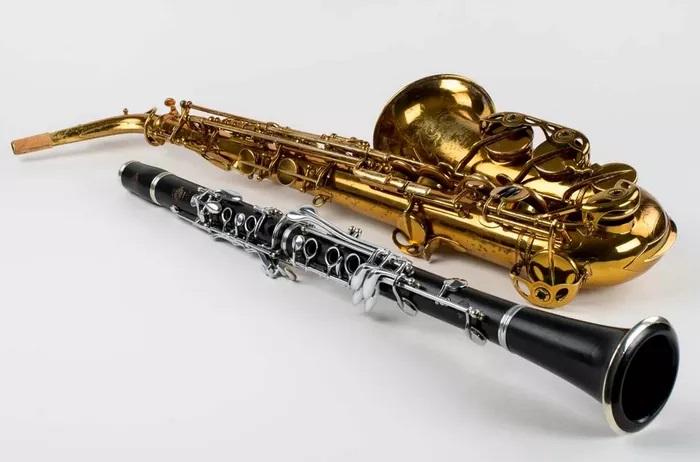
The Soprano Saxophone has a unique voice in the jazz world. It stands out with its bright tone, its expressive range, and its ability to cut through dense arrangements. Jazz musicians choose it for solos because it carries emotion clearly. It creates contrast. It offers tonal colors that differ from the darker voices of the alto and tenor saxophones. This article explores the reasons behind its popularity in jazz solos. It looks at tone, technique, musical history, and performance practice. It also studies how the instrument shapes the mood of jazz improvisation and how it continues to influence modern jazz performance.
The Distinctive Qualities of the Soprano Saxophone
A Tone That Cuts Through the Ensemble
The Soprano Saxophone produces a bright tone. This tone is penetrating. It rises above rhythm sections easily. It remains clear even when the band plays with energy. The shape of the instrument helps. The straight body creates a focused sound. The higher pitch adds clarity. When a solo begins, listeners hear the soprano instantly. Its voice stands apart. Its voice demands attention. This clarity makes it ideal for moments when the soloist needs to lead the melodic line.
The tone also supports emotional expression. The instrument can sound sweet. It can sound sharp. It can sound tense. It can sound soft and reflective. These shifting colors help a musician shape a solo with nuance. The soprano’s direct sound gives each phrase a sense of purpose.
A Range That Supports Expressive Improvisation
The soprano has a wide expressive range. Its upper register sings with brightness. Its middle register offers warmth. Its lower register adds depth. A jazz soloist can move through these registers with smooth transitions. The listener hears a full emotional arc. The musician can stretch phrases. The musician can create dramatic leaps. These choices help shape solos that feel personal and spontaneous.
Because of its range, the soprano also blends well with chord changes. In jazz, harmony shifts rapidly. A clear voice helps the player outline chords. The soprano’s pitch range sits above many instruments. This allows the soloist to float above the harmonic structure and guide the ear.
Historical Influence on Jazz Solo Tradition
Early Pioneers Who Elevated the Instrument
The Soprano Saxophone gained recognition in jazz thanks to early masters. Sidney Bechet was one of the first to show its power. His sound was bold. His vibrato was wide. His melodies cut through any band. He gave the soprano a distinct role. He treated it as a dramatic voice. His solos felt passionate and immediate. His influence shaped how later musicians approached the instrument.
In later decades, John Coltrane brought the soprano into modern jazz. He explored new harmonic ideas. He pushed the instrument into spiritual territory. His tone was intense. His phrasing felt searching. When Coltrane played the soprano, listeners felt the urgency. His work cemented the soprano’s place in jazz as a tool for exploration and emotional depth.
Players like Wayne Shorter, Steve Lacy, and Branford Marsalis continued this tradition. Each brought new ideas. Each expanded the soprano’s vocabulary. This long lineage encourages new players to choose the soprano when they want to say something special in a solo.
A Legacy of Innovation
The soprano became associated with experimentation. Jazz musicians use it to explore new scales. They use it to test unusual harmonies. They use it to push rhythmic boundaries. The instrument’s agility supports fast lines. It responds quickly to breath and embouchure changes. It can shift from gentle to aggressive in seconds. This makes it perfect for innovative solos. Musicians feel free to try ideas that may not work as well on other saxophones.
Its legacy also includes use in fusion jazz, world jazz, and avant-garde jazz. The soprano’s clarity interacts well with electronic instruments. It blends with global percussion. It adapts to unusual textures. These qualities make it a favorite for players who want to explore beyond traditional jazz structures.
Technical Advantages That Enhance Solo Performance
Agility and Precision
The Soprano Saxophone has a smaller body than the alto or tenor. The keys are closer. The action is light. These features support fast technique. They allow intricate runs. They allow rapid articulation. They allow complex rhythmic patterns. In a jazz solo, speed often adds excitement. Precision adds clarity. The soprano gives the player both.
Improvisers appreciate how quickly the instrument responds. A small change in embouchure creates a new tone. A slight adjustment in pressure shapes the pitch. This responsiveness offers artistic control. It lets a soloist add color to every note. It allows subtle inflections that define personal style.
Dynamic Control and Projection
The soprano projects well even at low volume. A musician can play softly and still be heard. This gives the soloist more expressive options. They can begin a solo gently. They can build intensity gradually. They can hold long notes that float over the ensemble. Then they can push into a burst of bright sound for emphasis.
This dynamic flexibility connects strongly with jazz expression. Jazz solos often move through emotional shifts. They rise and fall. The soprano helps express these shifts clearly.
The Emotional Impact of the Soprano Saxophone in Jazz Solos
A Voice That Feels Personal
Listeners often describe the soprano’s tone as voice-like. It resembles a human cry. It resembles a whisper. It resembles a delicate vocal line. This quality makes the soprano perfect for emotional storytelling. Jazz solos often express longing. They express joy. They express tension. They express release. The soprano fits all these moods.
A solo on the soprano can feel intimate. It can feel direct. It can feel vulnerable. This emotional connection explains why many artists choose it for key moments. They want a sound that touches listeners deeply.
A Sound Associated With Mystery and Intensity
Because the soprano has a bright but narrow tone, it can create a mysterious atmosphere. Musicians use it in modal jazz to evoke space. They use it in ballads to create tenderness. They use it in fast bebop to create intensity. The instrument adapts easily. Its expressive flexibility invites adventurous phrasing.
Modern film scores use the soprano to evoke longing or spiritual searching. Jazz musicians often echo these cinematic moods. When they solo, they pull from this emotional world. They create lines that feel familiar but new.
The Soprano Saxophone in Contemporary Jazz Performance
Its Role in Modern Ensembles
In contemporary jazz, the soprano remains a widely used solo instrument. Musicians experiment with new sound effects. They use multiphonics. They use growls. They use pitch bends. The soprano responds well to these techniques. It keeps clarity even as the player pushes boundaries.
Many ensembles feature the soprano in fusion settings. Electric bass, keyboards, and digital effects create dense textures. The soprano’s bright sound sits above these layers without losing definition. It creates contrast and lead presence.
Influence on Young Musicians
Young players often choose the soprano for its individuality. It helps them stand out. Its tone attracts attention. Its history inspires experimentation. Many students study solos by Coltrane or Bechet. They learn breath control. They learn articulation. They learn phrasing. The soprano becomes a tool for building identity. It continues to shape new styles.
Conclusion
The Soprano Saxophone is used for solos in jazz because it offers clarity, expressiveness, agility, and emotional power. Its tone cuts through ensembles. Its history inspires creativity. Its technique supports complex phrasing. Its emotional range touches listeners. Across decades of jazz evolution, the soprano has maintained a special place. It remains a voice of intensity, imagination, and individuality. It continues to shape jazz performance today, and it will remain a beloved solo instrument for future generations of musicians.
 Dutch
Dutch
 English
 Arabic
 French
 Spanish
 Portuguese
 Deutsch
 Turkish
 Italiano
 Russian
 Romaian
 Portuguese (Brazil)
 Greek
Greek